What a Fallen Tree Becomes: Life on the Forest Floor
A fallen tree can become shelter, a seedbed and a slow-moving store of carbon. Look closer at the wood beside a northern BC forest trail.
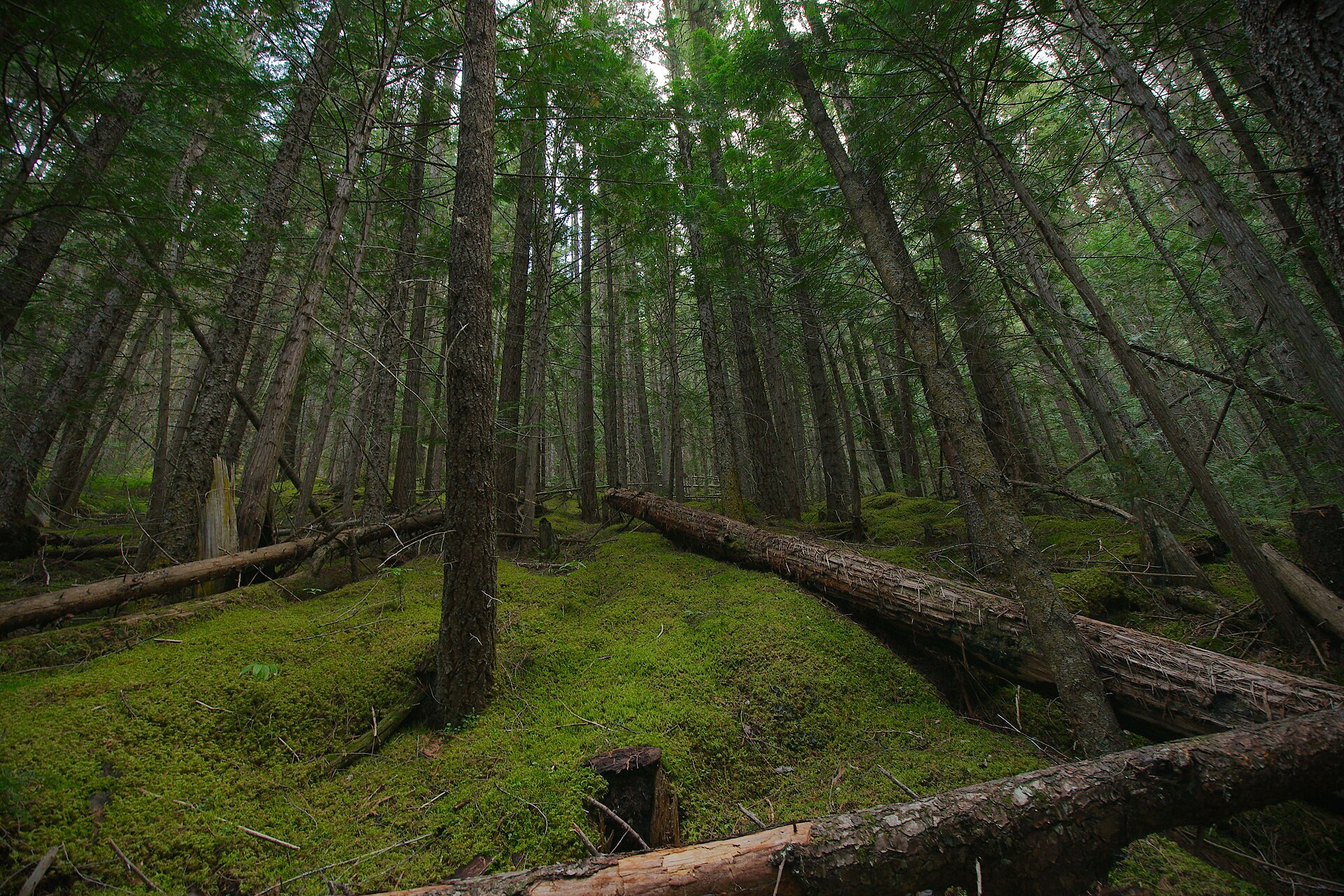
The tree is down. The work continues.
A fallen trunk can look like the end of a story. The crown is gone, roots lie exposed, and the tree is stretched across the ground. For much of the forest, it is a new set of opportunities.
Foresters call larger pieces of dead wood coarse woody debris. The term sounds like a cleanup problem. Ecologically, logs, stumps and branches supply habitat, growing surfaces, nutrients and structure.
Sources: 1
The part of the fungus you cannot see
A mushroom or bracket on a log is the visible reproductive structure of a much less visible organism. The growing body of a fungus consists of fine threads, called hyphae, which together form mycelium. In a wood-decaying species, much of that network works within the material it is breaking down.
That means a log can be full of fungal activity even when there is no photogenic cluster on its surface. Fruiting bodies appear under particular conditions; their absence is not evidence that decomposition has stopped. Looking at the changing wood can reveal a process that is underway out of sight.
Sources: 2
Rot has more than one texture
Two broad patterns are especially useful to notice. Brown rot often leaves wood that breaks into blocky pieces as fungi attack cellulose and leave much of the lignin behind. White rot can produce paler, stringier or spongier material because the fungi break down lignin, sometimes along with cellulose.
These are descriptions of decay processes, not a shortcut to naming a mushroom or deciding whether it is edible. Several species can produce similar effects. What matters for an observant walker is that the trunk is becoming physically different: harder surfaces soften, intact forms fragment, and new spaces appear. The transformation creates opportunities for other organisms as well as returning material to the surrounding forest.
Sources: 3
A nursery with a previous life
Some fallen trees become nurse logs. As the wood decays, it can retain moisture and provide a place where plants establish. Seedlings on top of a log may eventually send roots down into the soil while the supporting wood gradually loses its form.
The relationship is visible without disturbing anything. Look for roots following the sides of a decaying trunk or a line of small plants growing along its upper surface. Not every log will carry seedlings, and conditions vary with wood, moisture and light. The important change is in perspective: the old tree is becoming part of the place where another plant can begin.
Sources: 4
Shelter at a smaller scale
The underside of a log, the gap beneath a branch and the damp interior of decaying wood create small differences in temperature, moisture and cover. Invertebrates, small mammals and amphibians can use those spaces. Larger pieces can also influence the shape of a stream when they enter it.
For that reason, turning a log over to see what lives below it changes the very shelter you hoped to inspect. Watch from the trail and leave the structure in place. An apparently empty log may be occupied at a scale or hour you cannot see.
Sources: 1
Carbon does not vanish when a tree falls
Deadwood remains a carbon store, but it is a changing one. During decomposition, some carbon enters other organisms and soil pathways, while some returns to the atmosphere through respiration. Temperature, moisture, the organisms present and the properties of the wood all influence the process.
There is no single countdown that tells you how long a northern BC log will last. A dry standing trunk and a damp piece pressed into the forest floor occupy different settings. The research challenge is to understand those differences, rather than to treat all deadwood as one uniform material.
Sources: 5
Make one log part of a familiar walk
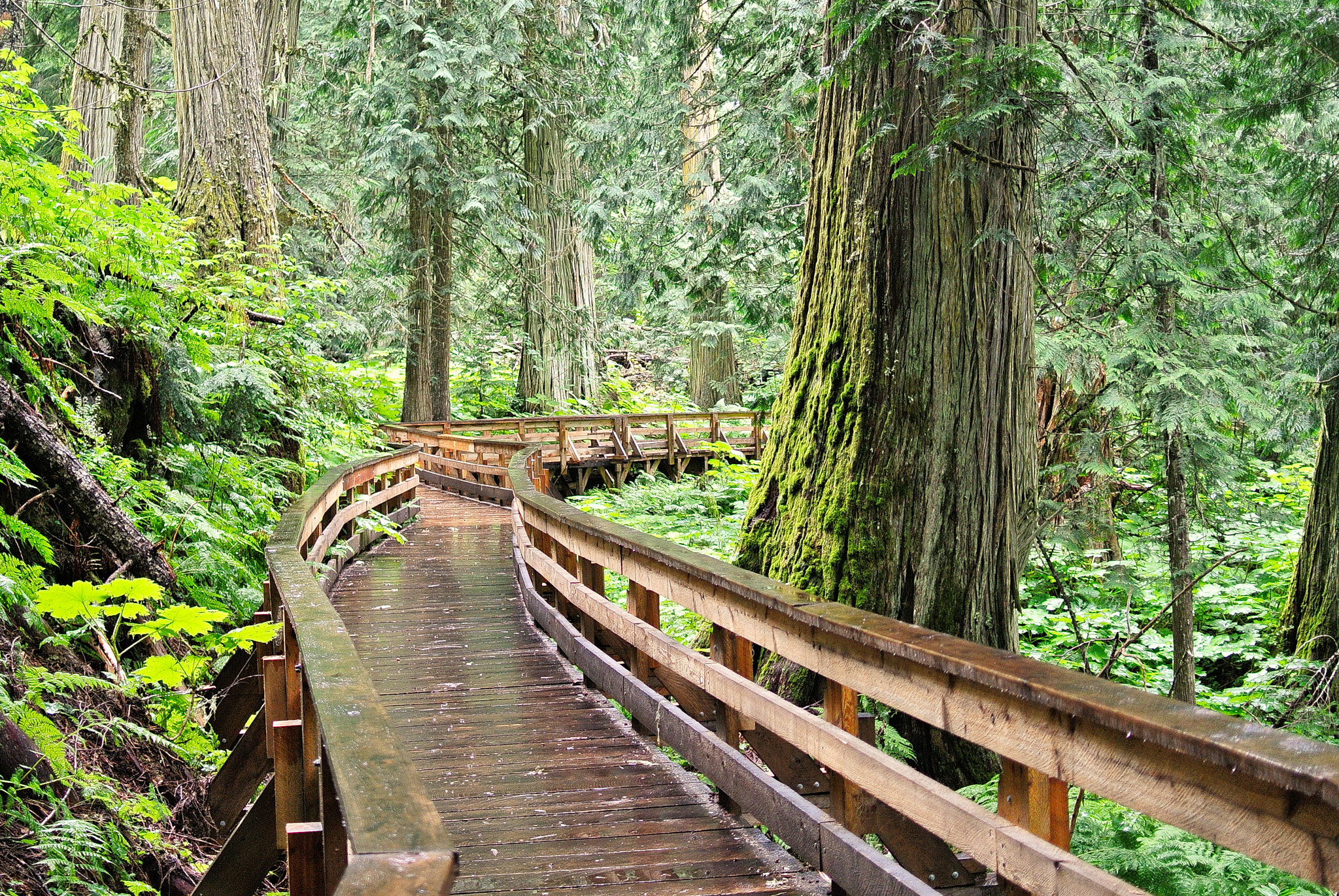
On a regular outing at Forests for the World or another local forest trail, choose a fallen trunk you can see easily without leaving the path. Notice its bark, shape and visible growth. Photograph it again in another season.
The changes may be slower than expected. That is part of the attraction. A place you usually pass in seconds can hold a story long enough to follow for years.
Explore the places in this story
Forests for the World
An editorial suggestion for observing forest-floor features from existing trails.
Ferguson Lake Nature Reserve
Look from the path and leave logs and their occupants undisturbed.
Sources and further reading
- Coarse woody debris: stand-level components of forest biodiversity (opens original source)Province of British Columbia · Checked
- Mushrooms and Other Fungi (opens original source)US National Park Service · Checked
- Decomposing Fungi (opens original source)US National Park Service · Checked
- Old Mine Tour: Nurse Logs (opens original source)US National Park Service · Checked
- The Role of Deadwood in the Carbon Cycle (opens original source)Wijas and colleagues, Annual Review of Ecology, Evolution, and Systematics, 2024 · Checked