Fort St. James: Stuart Lake Scenery and the Stories Behind the Trading Post
Look beyond the trading-post outline to hand-worked timber, family histories and a lake that connected people long before the fort.
A ceiling worth looking up at
At Fort St. James, one of the most revealing details is overhead. In Parks Canada’s account of the post’s Métis history, Alexander Campbell Murray is remembered for hand-planing ceiling boards inside the fur warehouse. A warehouse needed to hold goods. Someone still took the time to finish its ceiling carefully.
That detail makes a good companion to the broad view across Stuart Lake. The scenery explains why you might want to spend a day here; the workmanship gives you a reason to slow down inside. The buildings were places of labour, and the people who built and used them left more than dates behind.
Sources: 1
The water was already a meeting place
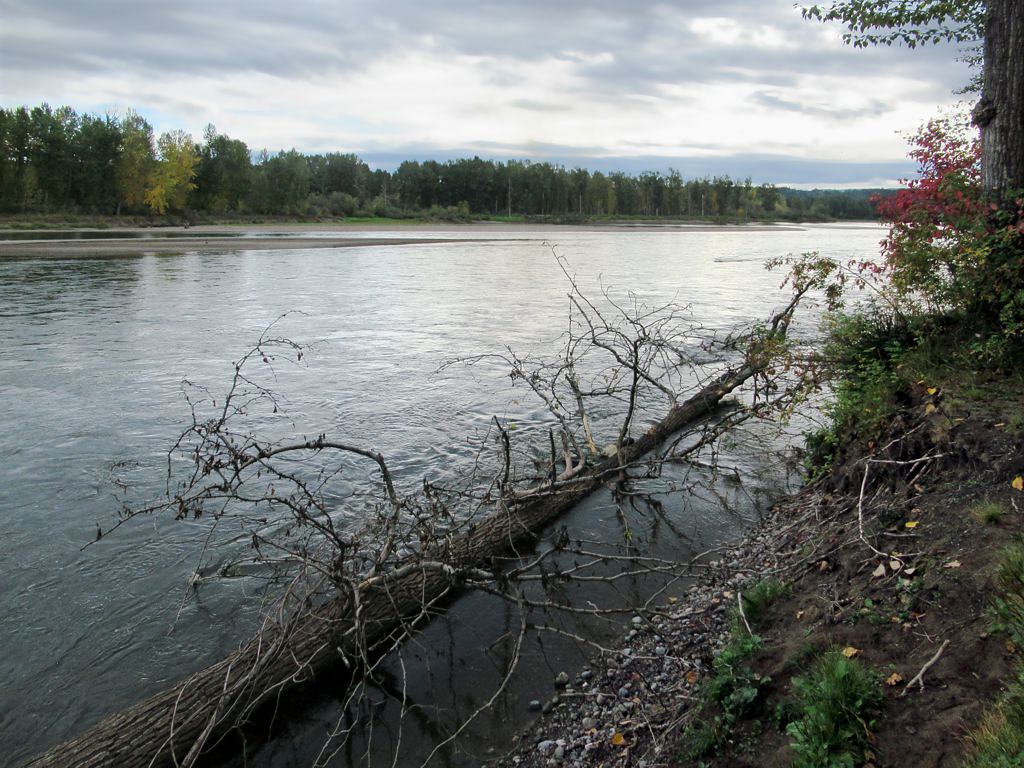
The post stands beside Nak’al Bun, also known as Stuart Lake. Long before the North West Company established its post in 1806, Indigenous travel and trade routes converged in this area. Traders arriving here depended on Indigenous knowledge, food and labour. The location was valuable because people already knew how to live and move through the country around it.
Nak’azdli Whut’en describes its own history through the Carrier Nation of the Dene, its clan system and the Balhats. That living community belongs in the foreground of a visit. Fort St. James is one name on a landscape with a much longer history, and the nearby Nation is part of its present.
The North West Company and Hudson’s Bay Company merged in 1821. The post’s trading role continued until 1952. Between those dates came changes in buildings, business and families, far more than a single frozen scene can contain.
The people behind the post
Parks Canada’s film about the Métis of Fort St. James brings descendants into the story. Mike Bennie, a great-grandson of A. C. Murray, describes family roots at the fort reaching back to the early nineteenth century. The film also remembers Murray’s wife Mary Bird and daughter Annie through family photographs. These were households as well as company employees.
Murray led rebuilding in the 1880s. The care remembered in the warehouse ceiling belongs to that larger undertaking. A timber wall can be read as many repeated acts of cutting, fitting, lifting and finishing.
Sources: 1
Read the buildings, then return to the lake
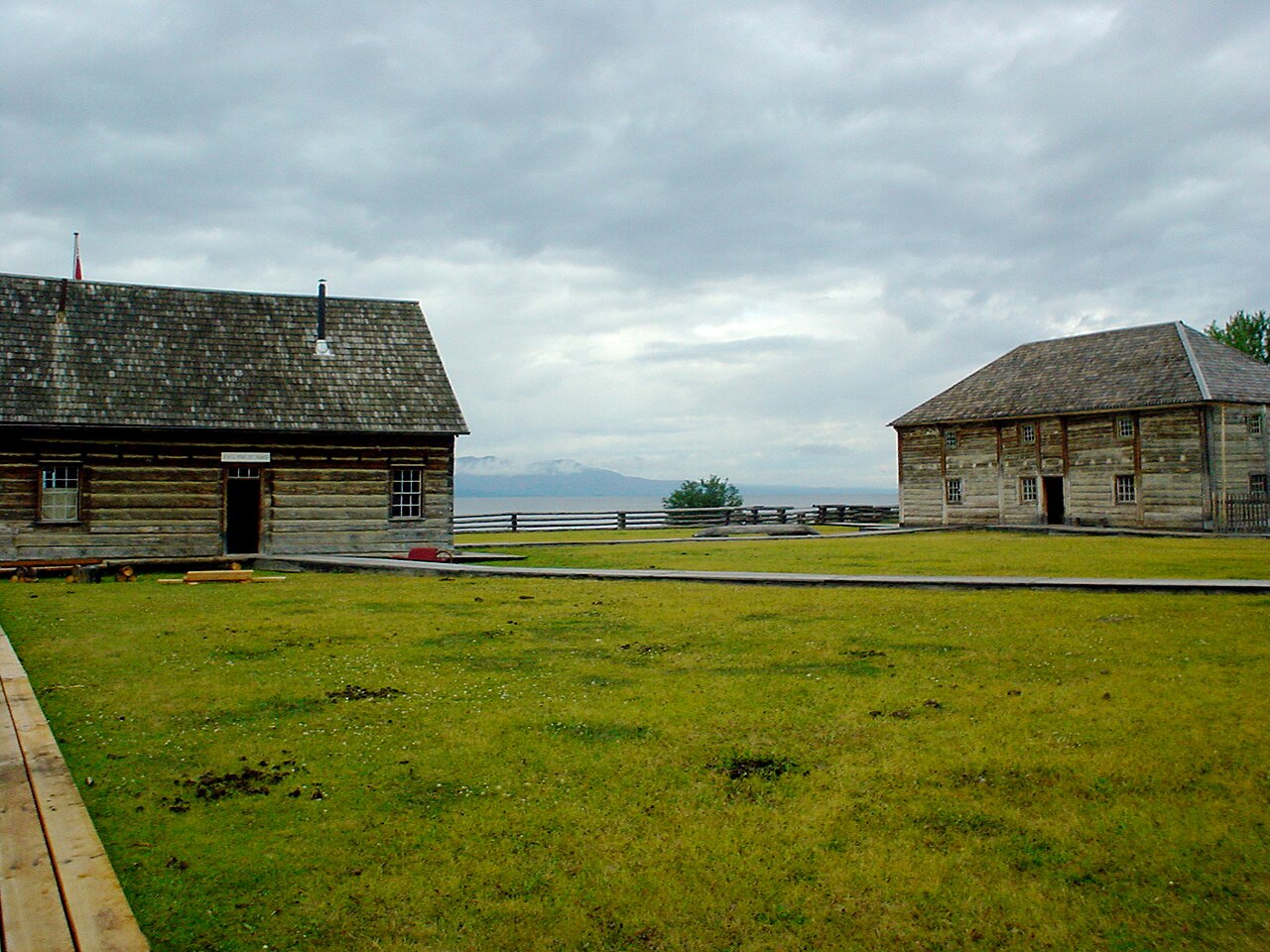
The historic ensemble includes a fish cache, a warehouse, workers’ accommodation, an officer’s dwelling and a dairy. The surviving buildings date from different years in the late nineteenth century, and the restored site presents the post around 1896. That range of uses makes the visit richer than a single trading counter. Food storage, domestic life and the movement of goods all had to work together.
The fish cache is an especially useful reminder to carry back outside. A fur-trade post also had to feed people. The lake and its connected waterways were part of the practical life of the settlement, not simply a beautiful setting behind the buildings.
Leave some of the day unassigned. Walk the open visitor grounds, look at the relationship between the structures and the shoreline, and follow the interpretation that catches your attention. The strongest memory may be a modest one: a hand-worked board, a family photograph, or the realization that the water in the view once connected this place to a much larger world.
Sources and further reading
- The Métis of Fort St. James (opens original source)Parks Canada, featuring Métis descendants and community voices · Checked
- Fort St. James Management Plan, 2024 (opens original source)Parks Canada · Checked
- History of Nak’azdli (opens original source)Nak’azdli Whut’en · Checked
- Fort St. James National Historic Site designation (opens original source)Parks Canada · Checked