A Day at Huble Homestead: River Travel, Trading Posts and Life Before the Highway
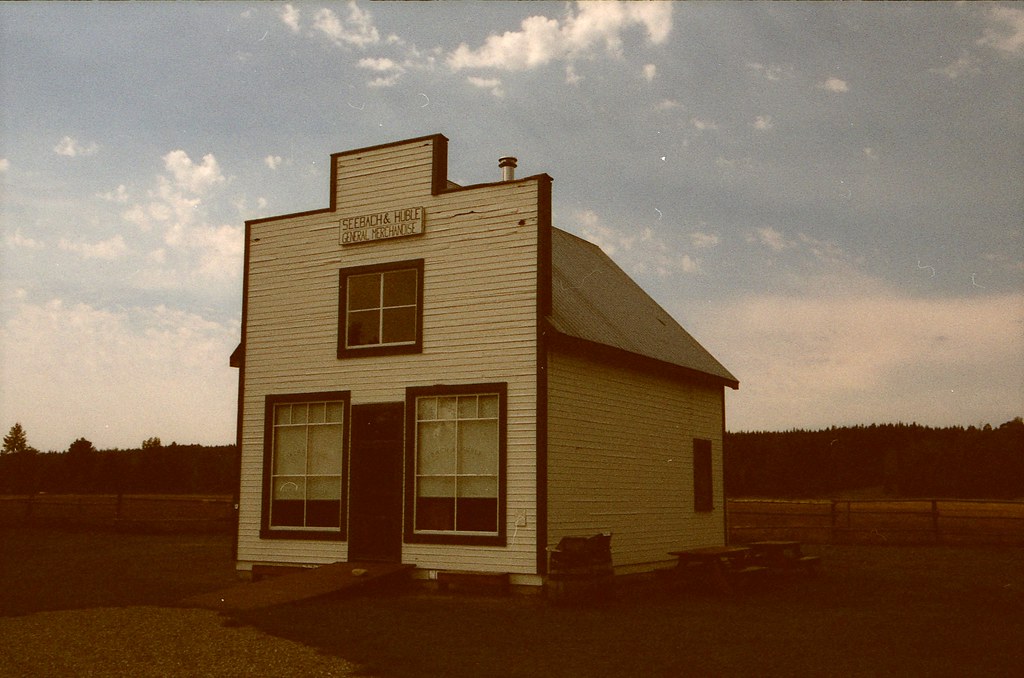
The farmhouse is only the beginning. A riverside visit becomes richer when you connect the house, store and fish-camp interpretation to the movement of people and supplies.
Start with the question of location
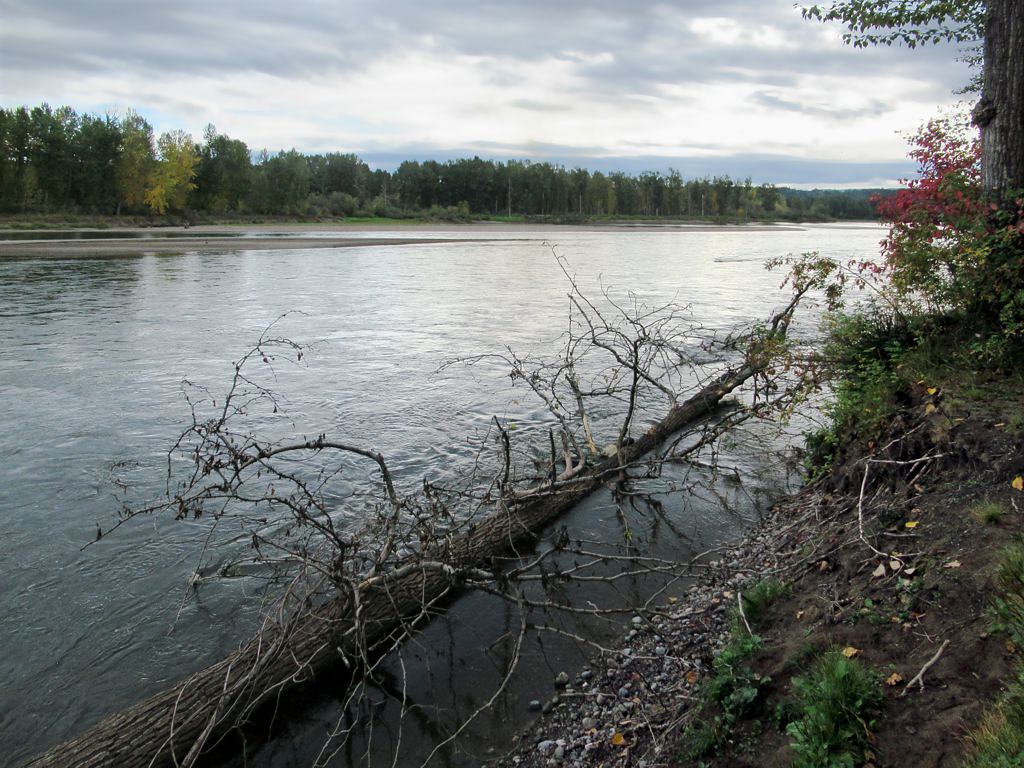
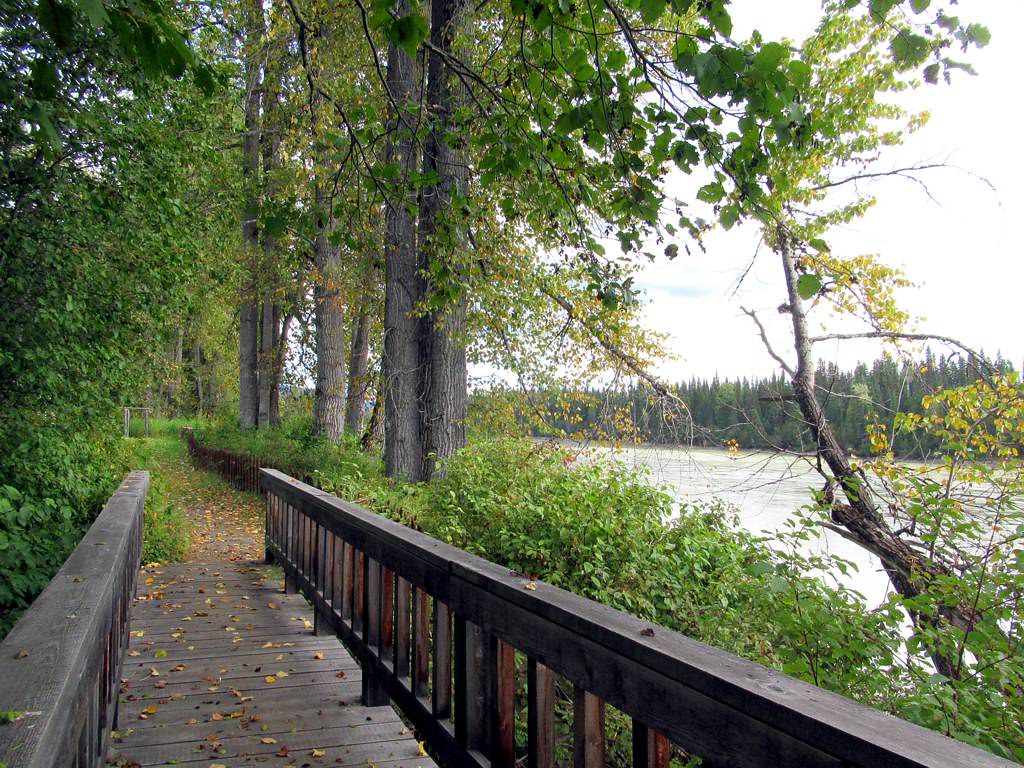
Before looking into the house, consider why it is here. Huble Homestead sits beside the Fraser near the southern end of Giscome Portage, a place where a river journey could become a journey over land. A homestead and trading business in this setting depended on much more than the view. Supplies, work and customers moved through a connected landscape of water and trails.
Today it is possible to arrive by road and miss that relationship. Give yourself time to look toward the river, then back at the buildings. The best version of a day here connects those two views: the work inside the settlement and the travel that made its location useful.
Sources: 1
A house made for a growing family
In 1911, Annie Huble arrived with her daughter Ada. After the birth of Bertha, the little cabin no longer fitted the growing household. Albert began the larger house the following winter. By October 1912 he was putting in stoves and stovepipes, and the family spent the winter inside.
The house followed an Ontario farmhouse pattern, built with squared logs and dovetailed corners. The previous cabin found a second use as the summer kitchen. A parlour, dining room, office and bedrooms made room for domestic life and business under one roof.
Albert’s diaries survive from 1909 to 1919, recording work and visitors alongside ordinary daily events. They give the rooms a human rhythm: a building project was also a winter’s labour, interrupted by the other jobs that kept a household and a business going.
The river story extends beyond the homestead
The site identifies itself as being on Lheidli T’enneh keyoh. Its Lhukw ba nits’unih fish-camp exhibit was developed in partnership with the Nation in 2005. The installation interprets a seasonal fishing camp, rather than presenting the homestead as the beginning of human life beside this river.
The exhibit includes a cottonwood dugout canoe made by Lheidli Elder and artist Robert Frederick. That is a particularly useful object to pause beside. The river was a route for moving people and goods, and the canoe connects that movement with local materials and skilled work.
The canoe and the farmhouse reward different kinds of attention. One carries skilled work in a local tree; the other adapts a familiar eastern house form to a new household beside the Fraser. Both make the relationship between materials, movement and everyday life tangible.
Sources: 4
School was a journey of its own
For Annie, the children’s education mattered. Ada attended boarding school in Edmonton in her early years. Later, the younger children boarded in Prince George during the school year, before the household moved into the city in 1919. Music and dance lessons were part of their education too.
That detail changes the farmhouse from a static display into the centre of a family making decisions. The riverfront was useful for trade, but the children’s schooling pulled life toward town. The needs of a household could redraw its map as surely as a new road could.
Sources: 6
Preservation is part of the story too
The house did not simply become a museum because it survived. Local efforts prevented a proposed relocation and led to restoration on the original site. The historic site opened to visitors in 1989. Keeping the house beside the river preserved a relationship that would have been harder to understand in another setting.
The house remained beside the Fraser because local residents wanted it to stay there. Its setting is part of what they saved: the distance to the river, the grounds around it and the sense of a home connected to journeys beyond its door.
Give the place a day
Check the current opening season, then leave room for the house, the fish-camp interpretation and a slow look around the grounds. A guided visit can connect small details that are easy to miss on your own. A short portage walk can add the forest side of the story without committing to the entire traverse.
The pleasure of Huble is in those connections. A stove belongs to a winter, a kitchen to a growing family, and a canoe to the river beside you. The buildings become more interesting as their daily purposes come into focus.
Sources: 5
Explore the places in this story
Huble Homestead
Use the operator for seasonal opening and visitor services.
Giscome Portage
Optional separate walk; a full traverse is not part of a casual site visit.
Sources and further reading
- About Us (opens original source)Huble Homestead / Giscome Portage Heritage Society · Checked
- Huble House (opens original source)Huble Homestead / Giscome Portage Heritage Society · Checked
- The Huble Diaries (opens original source)Huble Homestead / Giscome Portage Heritage Society · Checked
- Lhukw ba nits’unih (Fish Camp) (opens original source)Huble Homestead with Lheidli T’enneh partnership · Checked
- Plan Your Visit (opens original source)Huble Homestead / Giscome Portage Heritage Society · Checked
- Annie Huble (opens original source)Huble Homestead/Giscome Portage Heritage Society · Checked