Before Cottonwood Island Was a Park: The Story of Island Cache
A familiar riverside walk sits beside the history of a neighbourhood. Remembering Island Cache means looking beyond the flood to the people and decisions that shaped its disappearance.
Remembering the neighbours
When Audrey Gauthier Bourque spoke to CKPG in 2022, fifty years had passed since the flood that helped bring Island Cache to an end. She had moved there in 1964. What she remembered was a community where people knew one another and, in her words, “we never had to lock our doors.”
That is a different starting point from the familiar view of Cottonwood Island as a park. Before the paths and river views of a recreational visit, there were neighbours. The Cache had homes, a store and a school. For the people who lived there, it was a place to belong.
Sources: 3
The island and the cache
Island Cache developed on land separated from the mainland by a flood channel. Across that channel stood Foley’s Cache, the railway equipment depot. The residential community and the depot were related parts of the city’s landscape, but they were not the same place.
The community’s history reaches back to settlement in the 1920s. By the 1960s it included Indigenous and immigrant families, many working in the industries around Prince George. The island was outside the city boundary until 1970. Incorporation changed who controlled decisions about its future.
People tried to keep their homes
Residents did not simply watch the neighbourhood disappear. Research by Mike Evans and Stephen Foster describes protests and efforts to negotiate with city officials. In 1970, residents and supporters raised the river dyke in an effort known as Operation Sandbag. An ice jam that December made the work urgently relevant.
The spring flood of 1972 was followed by condemnations and pressure to leave. Homes were removed, and the former island landscape was divided between industrial uses and parkland. The loss involved both the river’s hazards and decisions made about the community’s land.
Bourque’s later recollection brings the scale of that loss back to ordinary life. A neighbourhood is more than a collection of buildings that can be cleared from a plan. It is the people who know which door to knock on, the familiar route to school and the everyday encounters that make an address a home.
The voices that remain
The Island Cache Recovery Project gathered interviews, photographs, correspondence and municipal records. Those materials are held by the Northern BC Archives, including audio and video recordings and transcripts. A community that largely disappeared from the physical landscape still has voices that can be heard.
For anyone drawn into the story by a park walk, that collection offers somewhere to continue. The book A Brief History of the Short Life of the Island Cache, by Mike Evans and Lisa Krebs, brings former residents’ experiences into a fuller account of the place.
A different way to walk Cottonwood Island
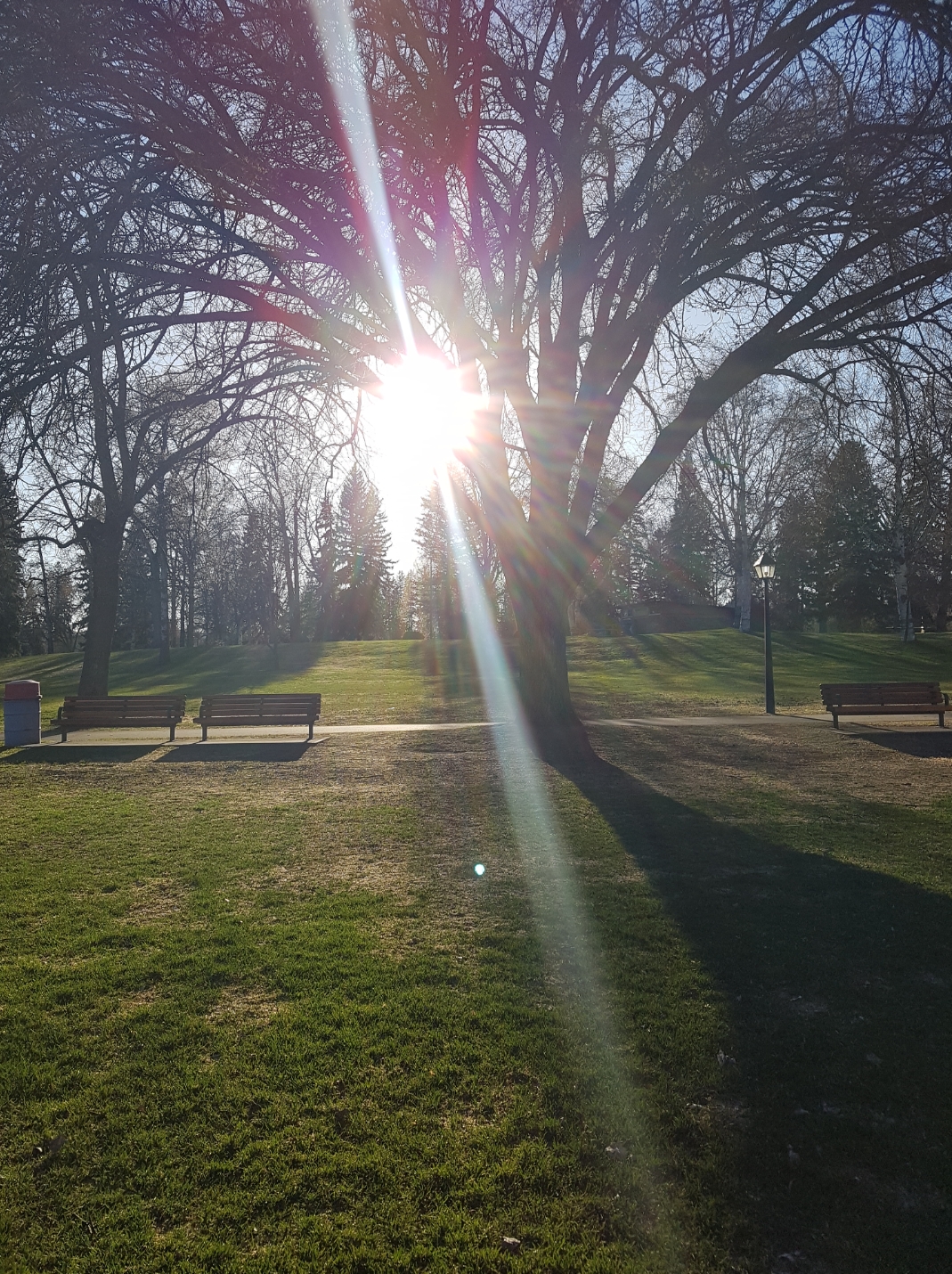
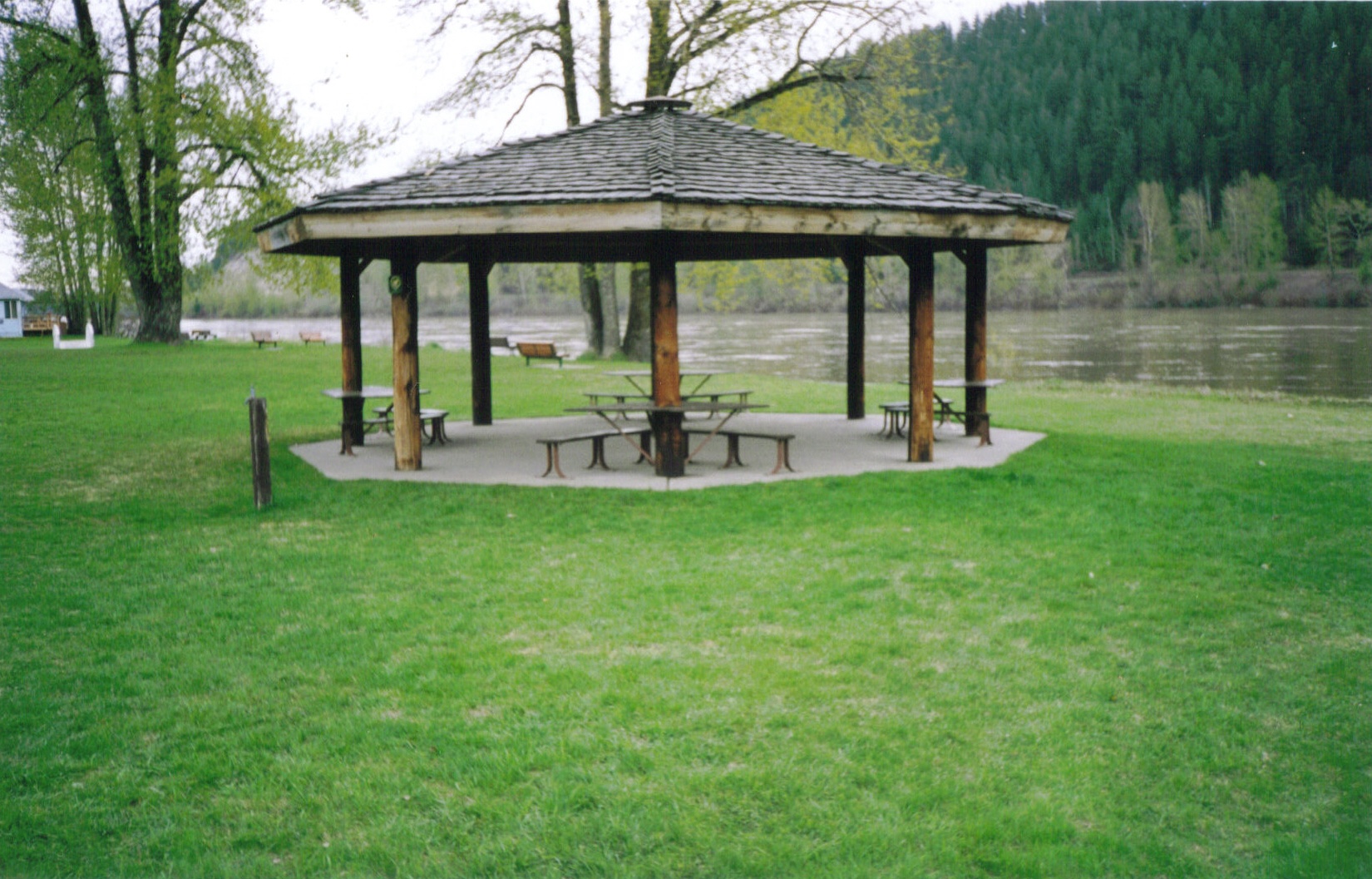
Take the established public paths and enjoy the river, but carry the name Island Cache with you. The current park does not mark the footprint of every former home, and nearby industrial land is not public walking space.
Knowing the history adds another layer to a familiar outing. The trees and water can still be beautiful. Alongside that beauty is the memory of a community, and of residents who wanted their homes, their neighbours and their good years there to be remembered.
Explore the places in this story
Cottonwood Island Nature Park
Present-day park walk, not a mapped tour of former homes.
Sources and further reading
- A Case of Geocide: The Political and Cartographic Erasure of the Island Cache (opens original source)Mike Evans and Stephen Foster, Shima 4(2), 2010 · Checked
- A Brief History of the Short Life of the Island Cache (opens original source)Mike Evans and Lisa Krebs, Canadian Circumpolar Institute Press, 2004 · Checked
- Looking back on Island Cache 50 years after it was destroyed (opens original source)CKPG Today, interview with Audrey Gauthier Bourque · Checked
- Island Cache Recovery Project Collection (opens original source)Northern BC Archives, UNBC · Checked
- History of Prince George (opens original source)City of Prince George · Checked
- Cottonwood Island Nature Park Trail (opens original source)City of Prince George · Checked