The Nechako’s Ancient Fish: The Story of the White Sturgeon
Beneath the Nechako is a conservation story measured in decades: long-lived white sturgeon, missing young fish and the work to restore a riverbed.
The missing generation
A river can still contain large, old fish while its future is disappearing. That is the unsettling problem behind the Nechako white sturgeon story. The presence of adults does not prove that enough young fish are surviving to replace them.
Fisheries scientists call the arrival of new survivors into a population recruitment. In the Nechako, poor natural recruitment has been a central conservation concern. Because white sturgeon live so long and mature slowly, the consequences can be concealed for years. The river may still hold large adults even while a gap opens beneath them in the age structure.
Sources: 1
An ancient lineage, a living species
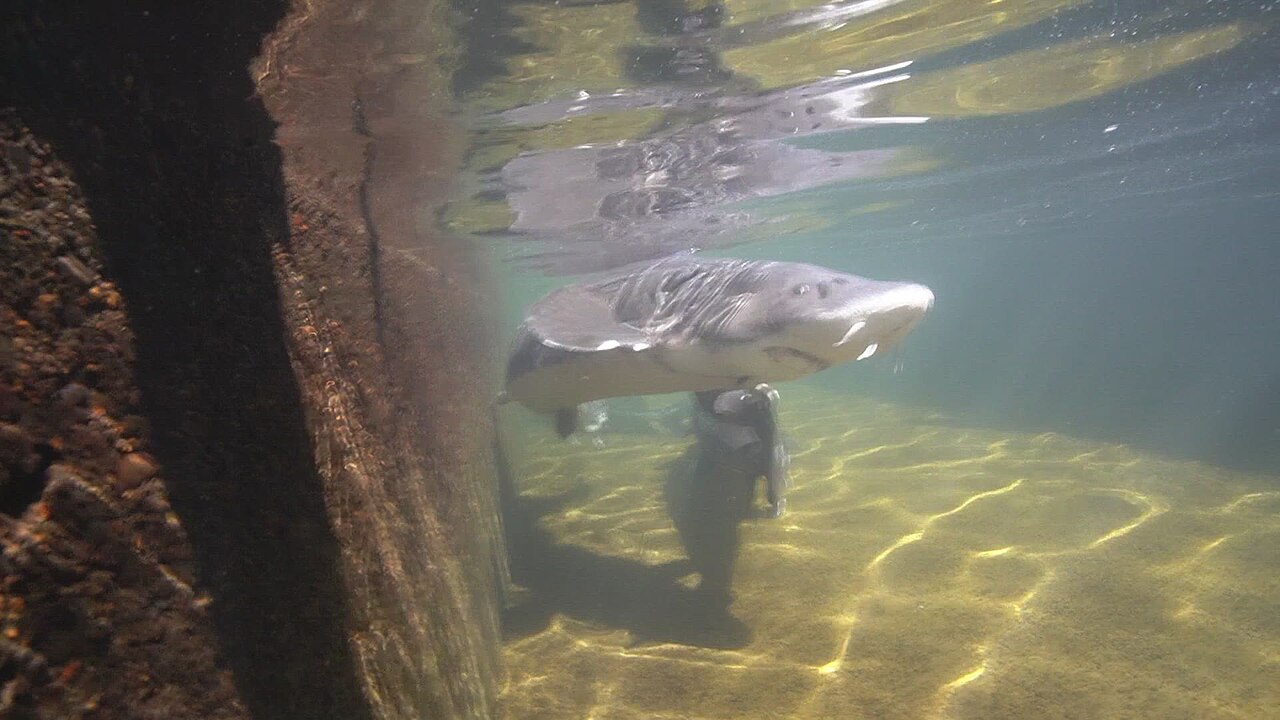
White sturgeon belong to an ancient lineage of fishes. Rows of bony plates, called scutes, and barbels beneath the snout give them their distinctive form; much of the internal skeleton is cartilage.
They can live for a century or more. Females mature slowly and do not necessarily spawn every year. Longevity can carry a population through a brief period of poor conditions, but not indefinitely through repeated failure at the beginning of life. Recovery has to work on the animal’s slow timescale.
The spaces between the stones
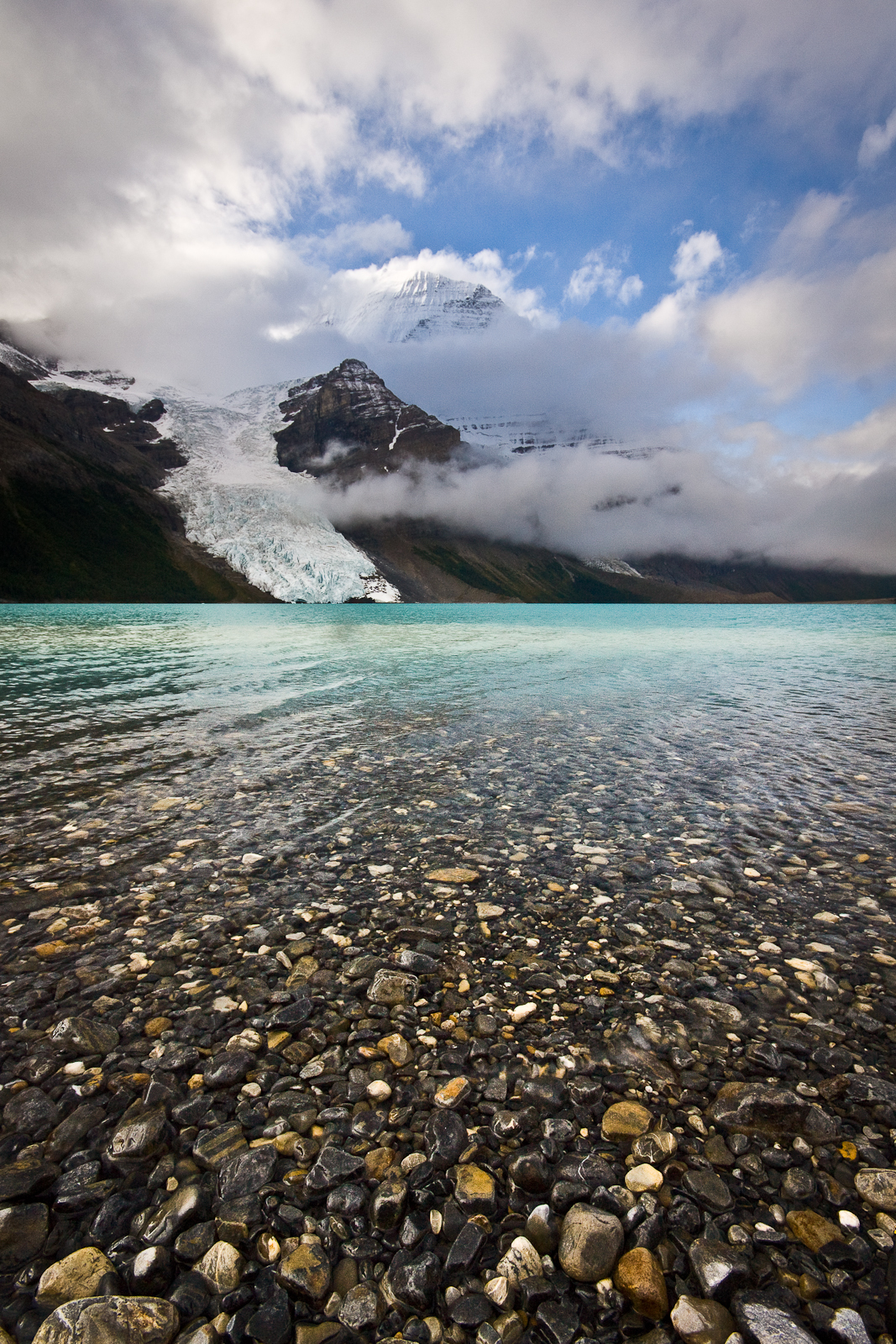
The crucial habitat can be much smaller than the fish that eventually uses the river. Newly hatched sturgeon can shelter within spaces among gravel and cobble. When sand and finer sediment fill those spaces, the riverbed changes in ways that a person looking across the surface would never see.
Near Vanderhoof, recovery crews have tried cleaning those spaces. In 2016, a spider excavator lifted riverbed material and shook it, allowing fine sediment to move away in the current. Later trials used equipment to sort the material on the bottom. The work addresses a stubborn problem: cleaned gravel can fill with sand again. Underwater cameras and sampling help show what survives the next change in river conditions.
Sources: 4
Giving young fish a better start
The Nechako White Sturgeon Conservation Centre raises young fish for release, helping them through a vulnerable first year while conserving genetic diversity. Some begin as eggs collected from the river.
Freshwater Fisheries Society of BC crews and Carrier Sekani Tribal Council place egg mats on the bottom near the spawning area. Sturgeon eggs are sticky; those that attach can be collected for rearing at the centre. Even then, many do not survive.
The hatchery buys time. Its goal is still a river in which wild sturgeon can reproduce successfully without people supplying each new generation.
Sources: 5
A recovery effort measured in generations
First Nations voluntarily stopped their traditional sturgeon fishery in 1994 in response to conservation concerns. Since a Letter of Understanding was signed in 2000, First Nations members have participated in the recovery initiative’s planning and recovery committees.
For a fish that matures slowly, progress takes patience. A young sturgeon released today still has years of river life ahead before it can contribute offspring of its own. Recovery has to carry through that interval, from the protection of eggs to the survival of future adults.
Bring the story back to the river
The conservation centre in Vanderhoof offers tours by appointment under its September 2026 schedule. Biosecurity needs can affect entry to the hatchery, so arrange a visit in advance.
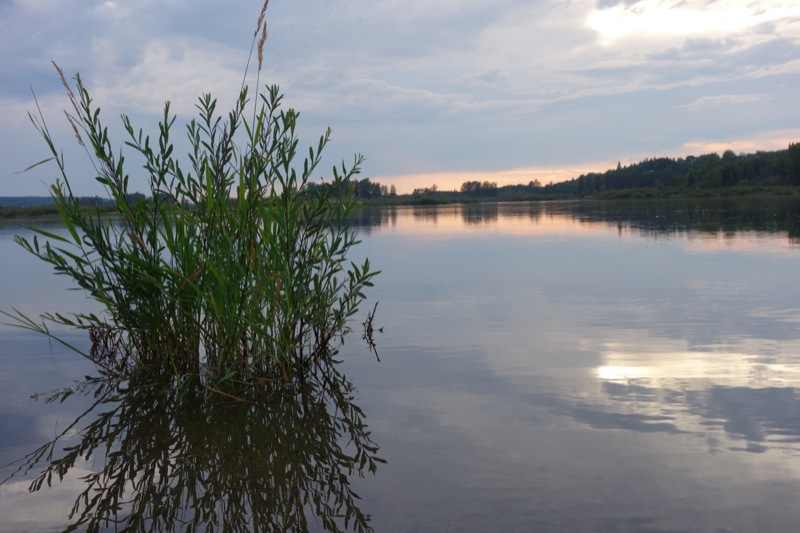
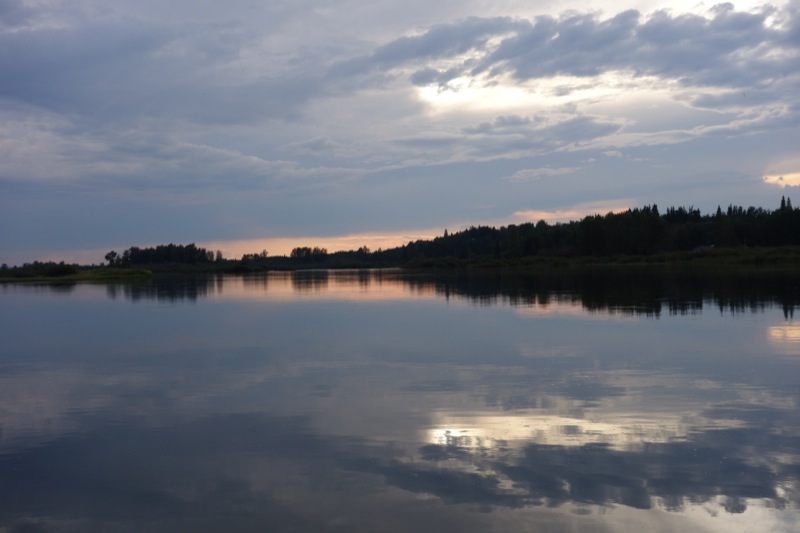
Back beside the Nechako, the smallest part of the story may be the hardest to picture: a newly hatched fish sheltering between stones. The future of an animal that can outlive us begins in a space small enough to fill with sand.
Sources: 5
Explore the places in this story
Riverside Nature Trail
A place to consider the river after learning about sturgeon; not a promised wild-sturgeon viewpoint.
Sources and further reading
- Recovery potential assessment for White Sturgeon, Upper Fraser River designatable unit (opens original source)Fisheries and Oceans Canada · Checked
- White Sturgeon: COSEWIC assessment and status report, 2012 (opens original source)COSEWIC · Checked
- Sturgeon identification guide (opens original source)Fisheries and Oceans Canada · Checked
- Habitat Restoration in the Nechako River: Spawning Reach (opens original source)Nechako White Sturgeon Recovery Initiative · Checked
- Nechako White Sturgeon Conservation Centre (opens original source)Nechako White Sturgeon Recovery Initiative · Checked
- Frequently Asked Questions (opens original source)Nechako White Sturgeon Recovery Initiative · Checked