When the Birds Return: A Spring Day on Vanderhoof’s Nechako River
River islands, migrating geese and the small details of a stopover make Vanderhoof’s Nechako River a rewarding place to watch spring unfold.
Some visitors come for the stones
The geese stopping on Vanderhoof’s Nechako River are not simply pausing for the scenery. Environment and Climate Change Canada describes migrating Canada Geese resting on the sanctuary’s islands and swallowing gravel. Small stones help their muscular gizzards process food.
A bar that barely catches your eye from the bank can supply something a travelling bird needs. The stones are part of the stop.
Sources: 1
The sanctuary is in the river
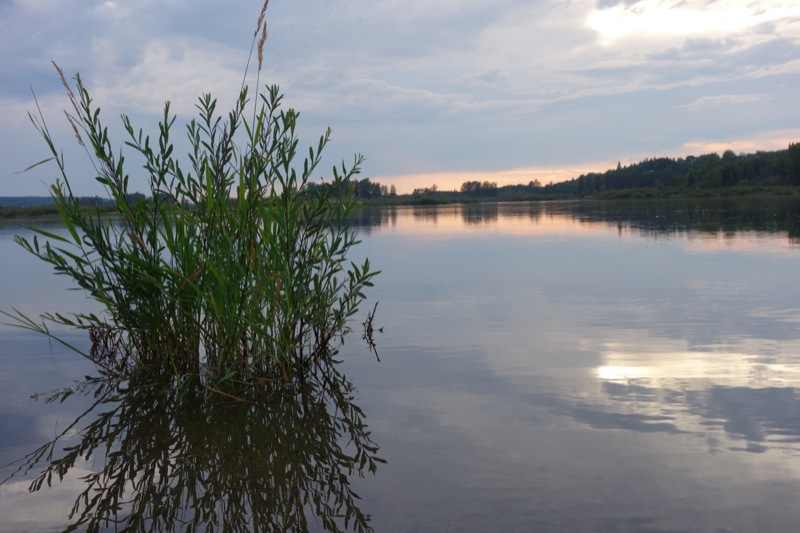
Established in 1944, the Nechako River Migratory Bird Sanctuary protects habitat within Vanderhoof. Channels, islands, shallow margins and bars change under the influence of river flow and ice.
Watch from public riverbank paths. The sanctuary includes private land; its protected status does not grant access to every island. The birds need room to rest, and a clear view from shore can be all the access a visit needs.
Sources: 1
A flock contains different lives
Canada Geese do not all follow an identical migration. Some populations travel long distances, while others move much shorter distances or remain in areas that continue to provide open water and food. The species’ familiarity in urban parks can hide that variety.
On spring migration, family associations and previous experience help shape flock life. As the breeding season approaches, pairs separate from larger groups and defend space. A noisy gathering can therefore contain feeding, resting and social interactions that mean different things to different birds.
Rather than counting every bird as one more goose, watch a small group for a few minutes. Which birds remain close together? Which are feeding? Which spend more time scanning their surroundings? These questions make even a familiar species worth another look.
Sources: 2
Move between habitats
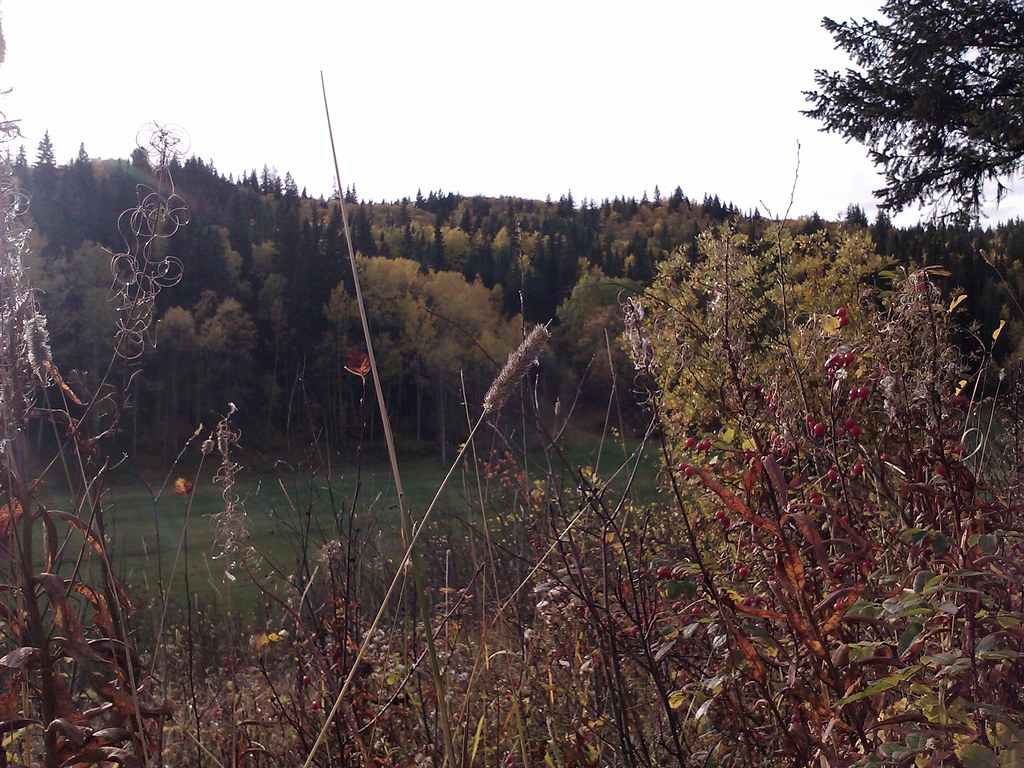
Riverside Nature Trail links the observation area at Riverside Park with the W.L. McLeod Wetland downstream. The district describes the wetland as a former Nechako side channel. That connection lets a short outing include both the main river and a quieter wetland setting.
The district’s recreation information identifies spring and autumn as useful seasons for bird diversity, with swans, ducks and other waterbirds among the possibilities. A list of species recorded in an area is not a schedule of appearances. Part of the pleasure is finding which habitat is busy on the particular day you arrive.
Give the birds the deciding vote
Birds Canada’s birding code emphasizes restraint around feeding and resting sites and care when approaching birds for photographs. That fits this outing especially well: the reason you came to watch is also the reason to avoid interrupting.
Use binoculars or a longer lens, stay on public paths and keep pets controlled. If your approach repeatedly causes birds to move away or take flight, more distance is the better choice. A photograph of undisturbed behaviour usually tells more than one of a flock you have just sent into the air.
Sources: 5
The stop between flights
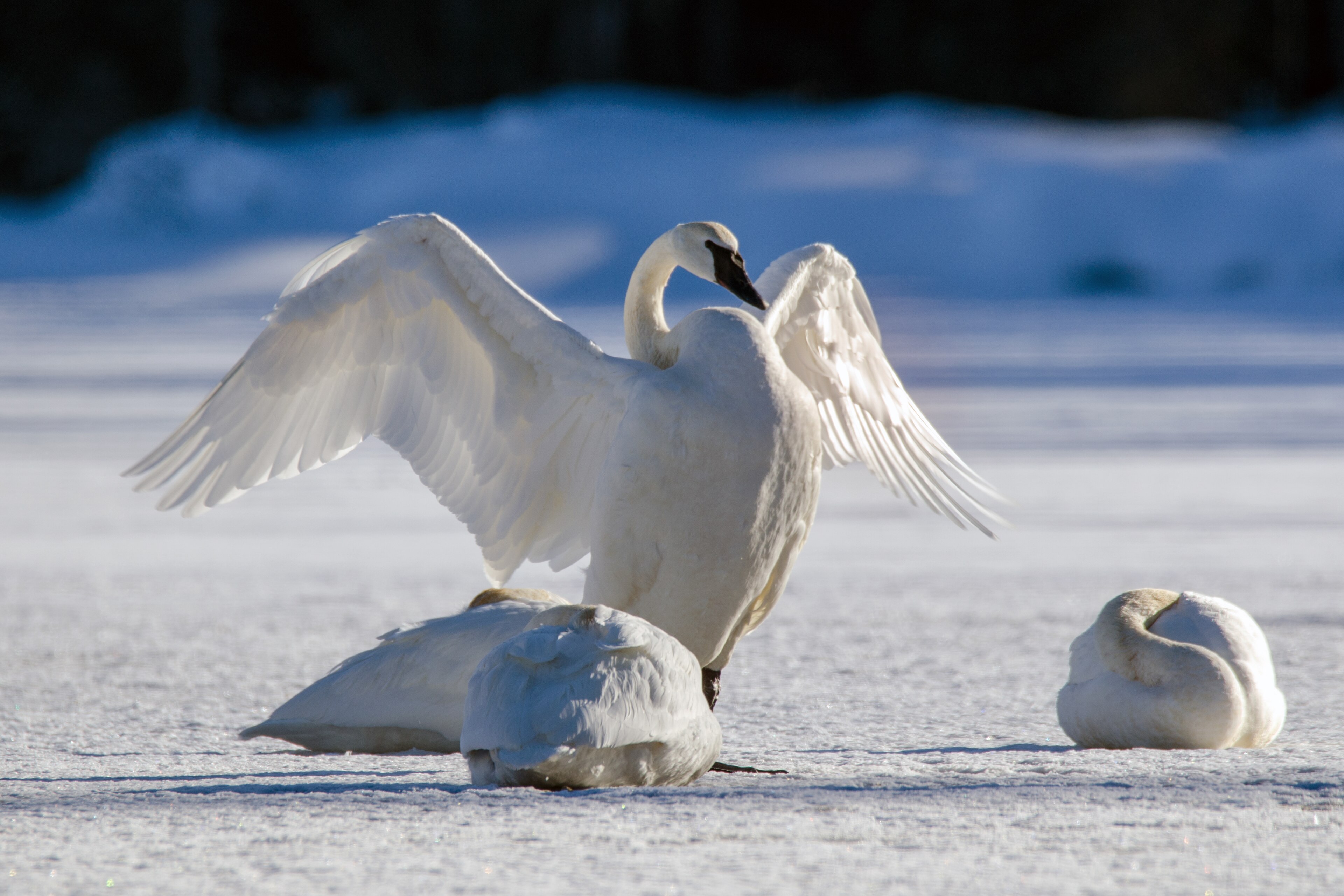
Watch the birds that stay on the ground as well as those taking flight. Resting and feeding are part of migration too.
The river island has done its work when the flock leaves. Spring’s long journeys depend on these ordinary pauses.
Sources: 1
Explore the places in this story
Riverside Nature Trail
Public riverfront viewing; the sanctuary’s islands are not open walking destinations.
W.L. McLeod Wetland Trail
A different habitat connected to the riverfront outing.
Sources and further reading
- Nechako River Migratory Bird Sanctuary (opens original source)Environment and Climate Change Canada · Checked
- Canada Goose Life History (opens original source)Cornell Lab of Ornithology · Checked
- Trails in Vanderhoof (opens original source)District of Vanderhoof · Checked
- Recreation: Migratory Bird Sanctuary (opens original source)District of Vanderhoof · Checked
- Code of Birding Ethics (opens original source)Birds Canada / American Birding Association · Checked