Rearguard Falls and the Long Journey of Fraser River Salmon
A short walk to Rearguard Falls opens onto a much longer journey: Chinook salmon returning from the Pacific to the upper Fraser River.
A short walk, an immense arrival
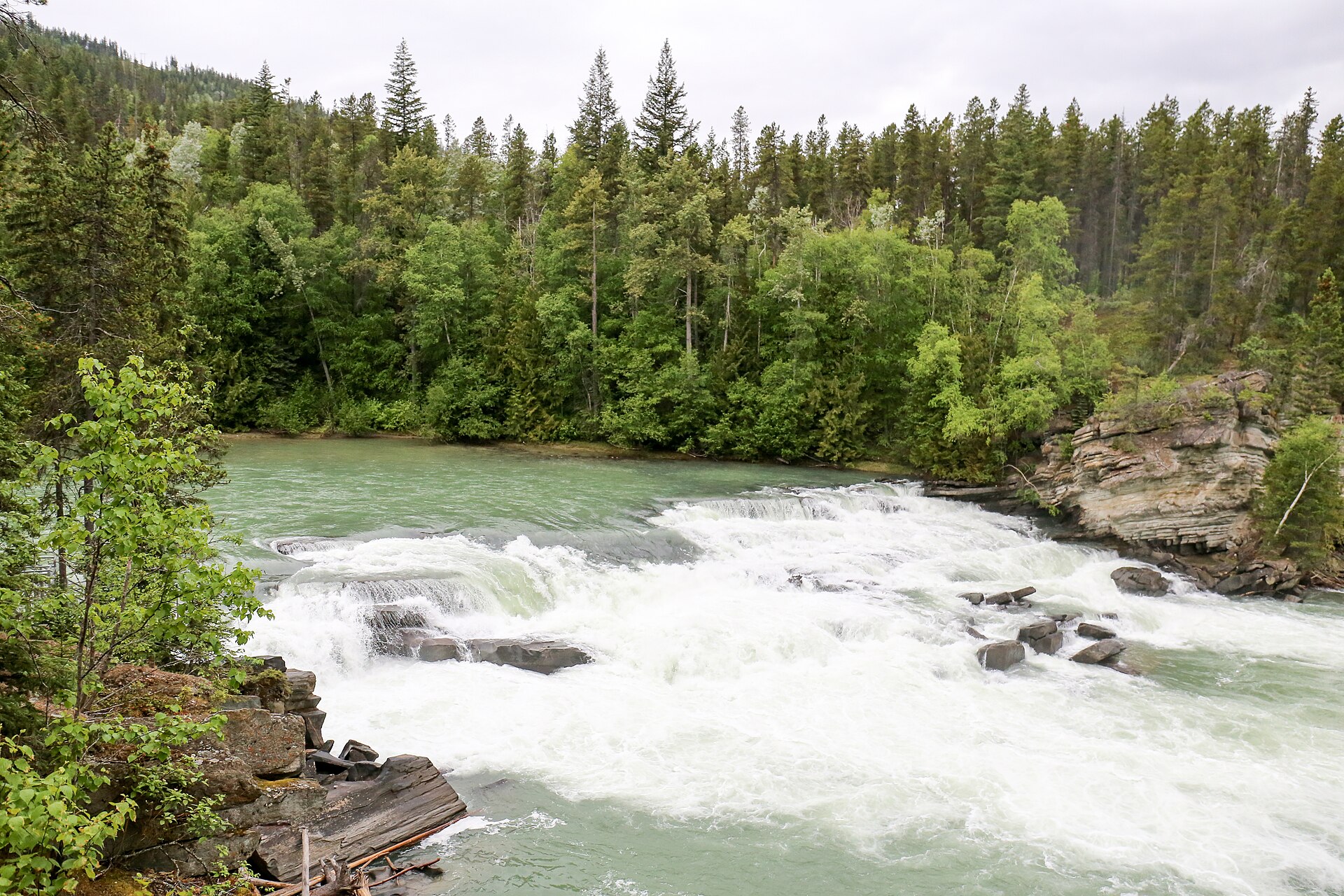
From Highway 16, Rearguard Falls is a short walk to moving water. For a returning Chinook salmon, it lies more than a thousand kilometres from the sea. A visitor arrives in minutes at a place the fish has spent much of its life travelling towards.
Many Chinook stop here, but some pass the falls. The obstacle is formidable without being absolute.
Sources: 1
The journey began in fresh water
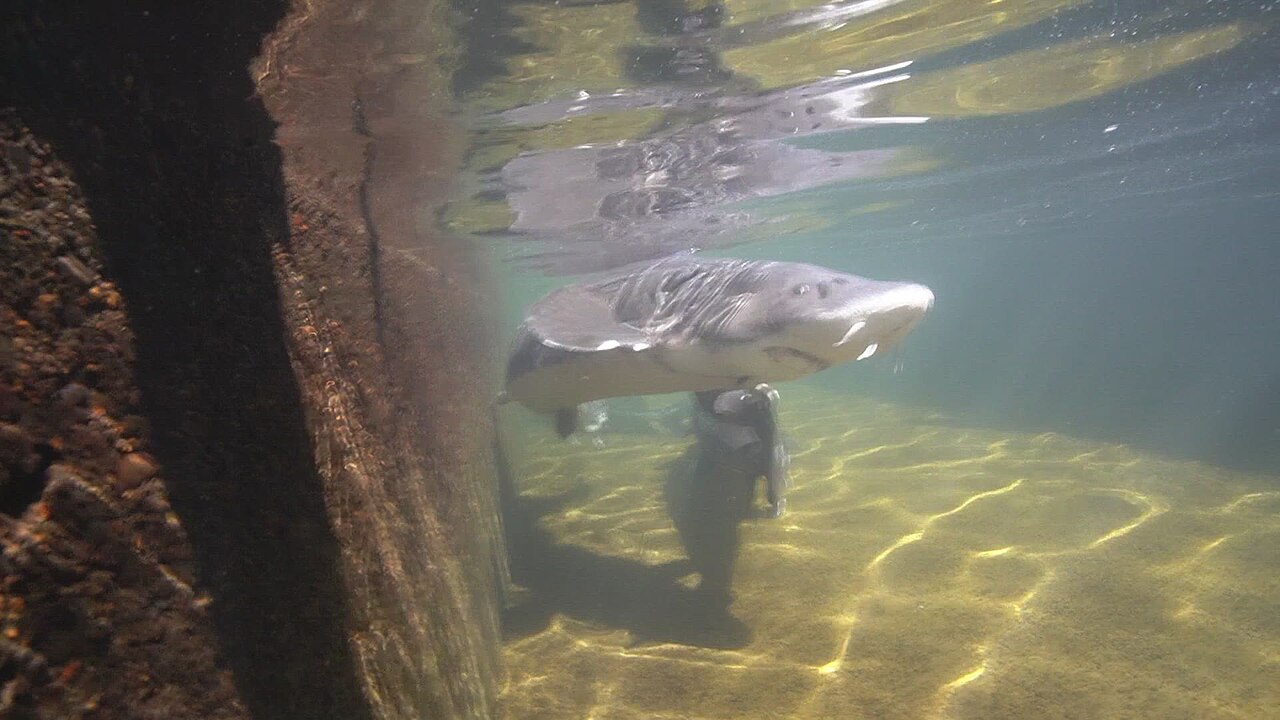
Chinook begin life in rivers and streams, then move toward the ocean, where they feed and grow before returning to fresh water to reproduce. The word for that life pattern is anadromous. It connects environments that can look entirely separate from a roadside viewpoint.
An adult preparing to spawn also looks different from the silvery fish of the ocean. Its colours darken and change, and a male develops a more pronounced hooked jaw. Females make gravel nests, called redds, where eggs are deposited and fertilized. After spawning, adult Chinook die. The next generation begins hidden in the riverbed, rather than in the conspicuous leaps that attract visitors to waterfalls.
Sources: 2
There is more than one Fraser salmon calendar
Fraser Chinook populations have different migration schedules and freshwater histories. Fish passing a lower-river monitoring station are heading towards many different tributaries.
At Rearguard, BC Parks identifies autumn as a viewing opportunity. Water levels, visibility and the fish present still shape the visit. The waterfall may be the only movement you see.
The first journey ran the other way
The upstream journey is the one that draws a crowd, but the fish began by travelling downstream. Young Fraser Chinook spend different lengths of time in fresh water. Some head towards the sea in their first year; others overwinter before leaving. At the estuary, they adjust to salt water before entering the ocean.
A returning adult has already passed through river, estuary and sea. Rearguard is one demanding passage near the end of a life lived across all three.
Sources: 3
What returns with the fish
Salmon also carry material upstream. While growing at sea, they accumulate nutrients in their bodies; their spawning migration transports some of that marine-derived material into freshwater ecosystems. Research across western North America has measured this connection at a continental scale.
Eggs, carcasses and the organisms that consume or break them down carry that material into freshwater food webs. The journey continues after the fish has stopped swimming. Nutrients acquired at sea enter a river system far inland, linking the ocean to places that never experience its tides.
Sources: 4
The waterfall, from the other direction
Watch from the fenced area. Cold, fast water and slippery rock make the edge dangerous; binoculars offer a closer look.
Follow the current, then imagine travelling against it. The waterfall becomes something different from a roadside stop: the way home, made steep.
Sources: 1
Explore the places in this story
Rearguard Falls
Use the designated viewing area and current BC Parks advisories.
Overlander Falls riverside route
A separate nearby river walk, not a guaranteed salmon-viewing location.
Sources and further reading
- Rearguard Falls Park (opens original source)BC Parks · Checked
- Chinook Salmon (opens original source)NOAA Fisheries · Checked
- Fraser River Chinook Salmon: 2010 Information Document (opens original source)Fisheries and Oceans Canada · Checked
- Continental-scale nutrient and contaminant delivery by Pacific salmon (opens original source)US Geological Survey / original research · Checked