Why Deep Snow Matters to Mountain Caribou
For deep-snow mountain caribou, winter can lift the forest floor towards food hanging in the trees. Snow, lichens and old forest have to work together.
The winter floor rises
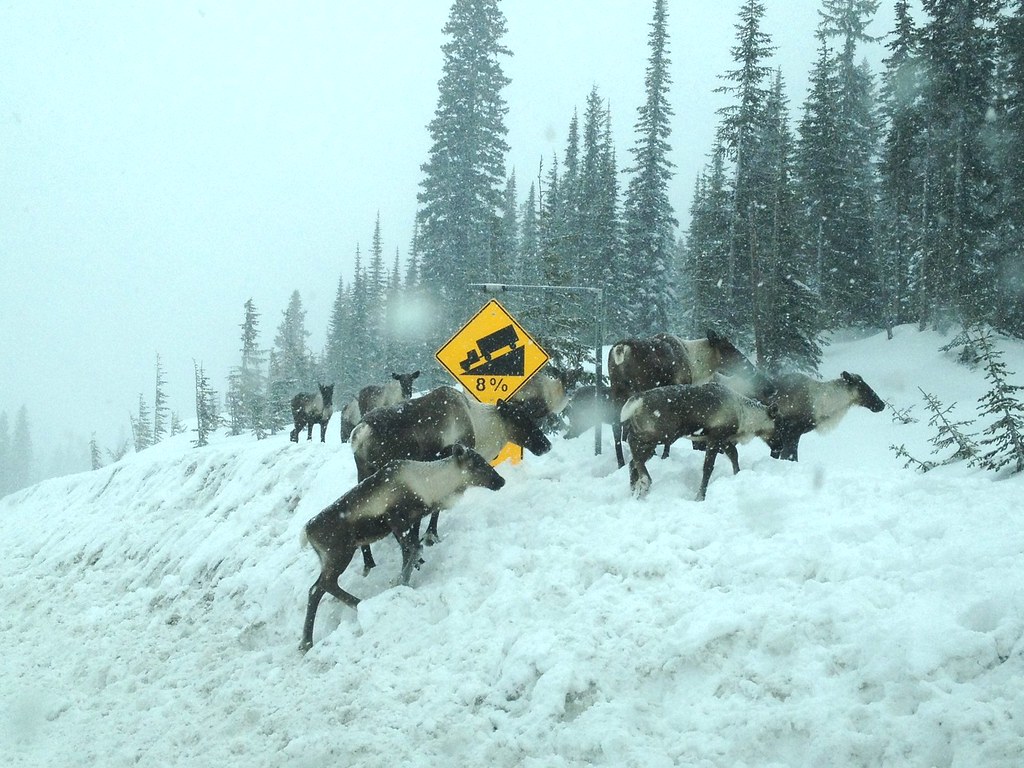
Deep snow buries much of a forest’s low vegetation. For an animal searching for food, that can be a serious obstacle. Yet in the wet mountains of British Columbia, part of the winter food supply hangs above the ground.
As snow accumulates and becomes supportive, mountain caribou can reach lichens growing on tree branches. The surface beneath their feet rises towards their food. It is an extraordinary arrangement: a forest, a hanging meal and a seasonal platform that has to develop before the full combination becomes useful.
The important detail is not simply depth. Snow’s condition matters too. A soft new accumulation and a settled late-winter pack present different problems to a walking animal.
Sources: 1
Which mountain caribou?
The deep-snow story belongs particularly to the mountain ecotype in the interior wet belt, identified as the Southern Group within the federal Southern Mountain population. The wider population also includes Northern and Central groups with different winter habitat patterns. The names can sound interchangeable, but their feeding strategies are not.
British Columbia’s current classification connects those differences to habitat use. Northern-type caribou can use ground lichens in forests or on windswept mountain terrain, while the deep-snow mountain ecotype relies heavily on tree lichens in winter. Large, rounded hooves help caribou cope with snow, but that does not mean every herd benefits from the same kind of winter.
Sources: 2
Food that hangs like hair
The strands on a branch are easy to mistake for decoration. For deep-snow mountain caribou, arboreal hair lichens are a major food source. British Columbia’s Conservation Data Centre describes a late-winter diet made up almost entirely of these lichens, especially species of Bryoria.
The same account connects the seasonal move into higher forest with a snowpack sufficiently deep and supportive to bring this food within reach. Earlier in winter, foods closer to the ground and lichens on fallen branches or trees can matter more.
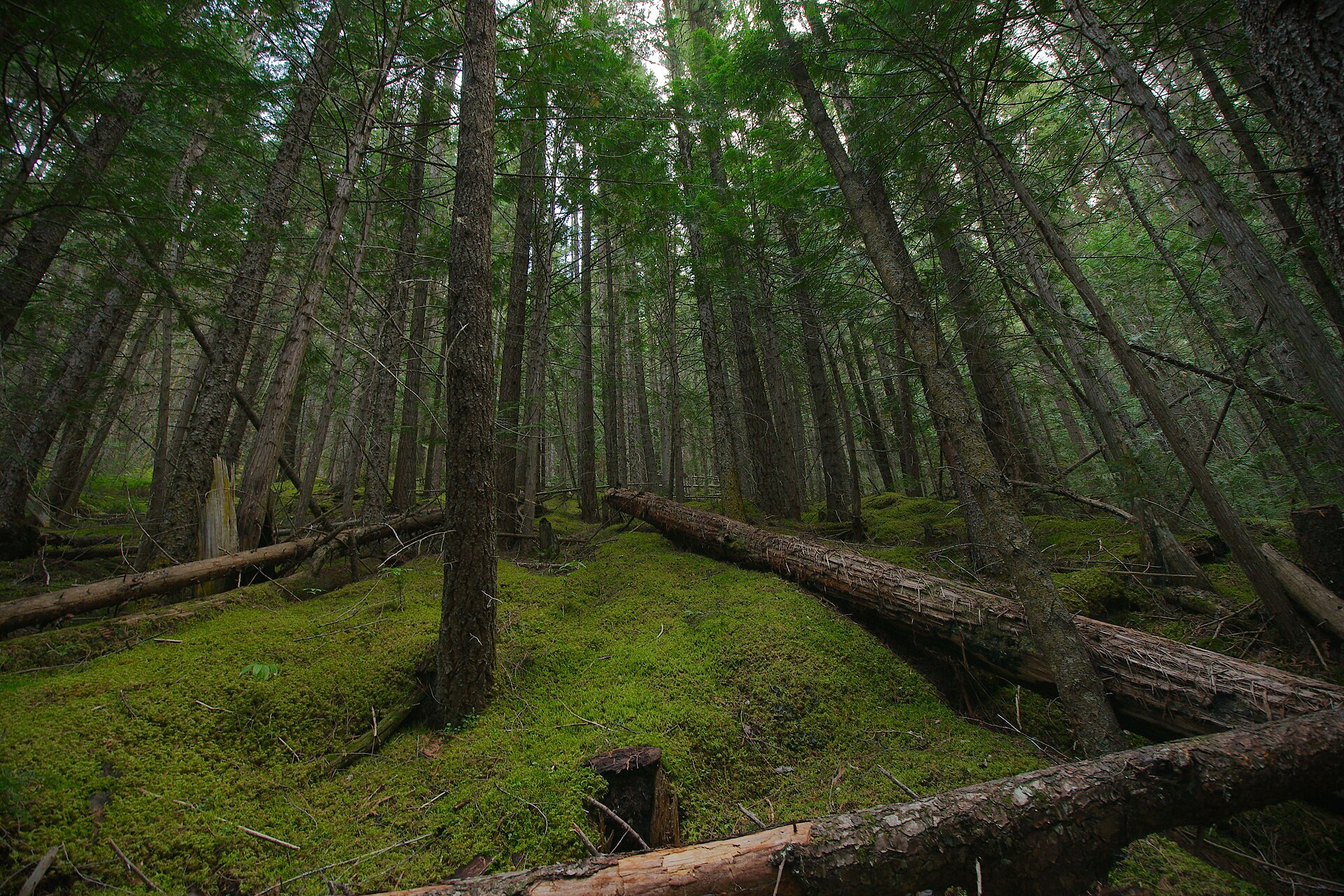
That sequence gives an old forest several roles through the year. A standing tree, a fallen branch and the snow around them are connected parts of the food supply, rather than separate features of the view.
Sources: 3
An entire partnership in a mouthful
A lichen itself is a partnership. Its main participants are a fungus and one or more photosynthetic organisms, such as green algae or cyanobacteria. The photosynthetic partner makes carbohydrates using light; fungal tissue forms much of the body and provides protection. Other microorganisms can be part of the association too.
So the winter food hanging from a conifer is a small community supported on a much larger organism. The branch provides a place to grow. The lichen’s partners sustain one another. A caribou can then feed on what they have built.
Recognising that chain changes the apparent simplicity of a snowy forest. A tree is carrying more than its own needles and the weight of the latest storm.
Sources: 4
Why more snow cannot solve everything
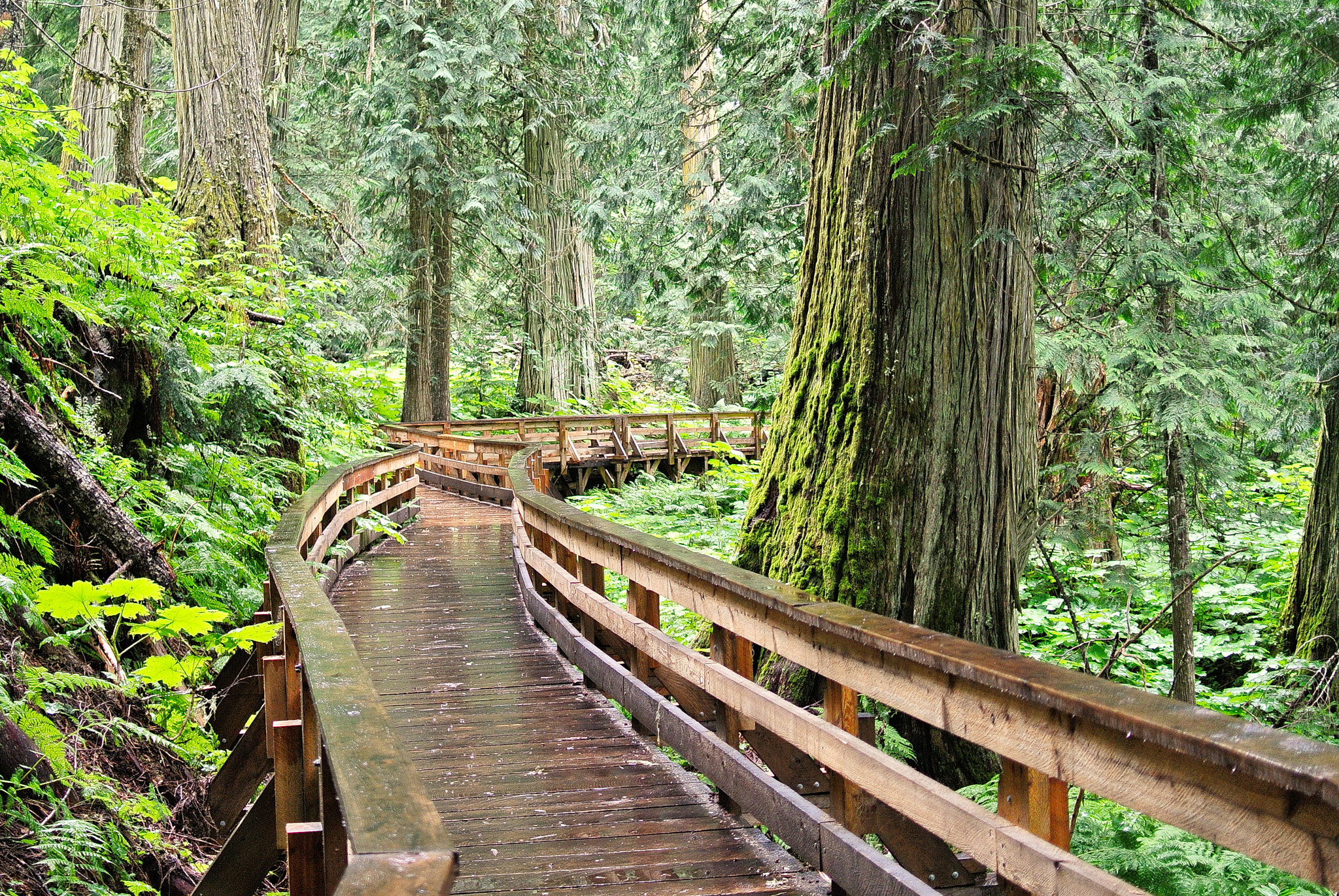
The relationship does not mean that a snowy winter alone can secure the animals’ future. Caribou need extensive connected habitat, including mature and old forests. Habitat alteration can also change the relationships between caribou, other prey and predators.
Environment and Climate Change Canada describes how younger forest can support more moose, deer and other prey, drawing predators into landscapes where caribou occur. The concern therefore extends beyond the number of lichen-bearing branches left standing. The surrounding landscape influences whether caribou can use those branches with relatively low risk.
Snow, food and space work together. Preserving one feature while losing the others cannot maintain the same winter world. The forest needs to remain connected enough for an animal whose requirements change with the season.
Sources: 5
A story worth knowing without seeking the animal
Recreation can disturb caribou and displace them from preferred habitat. British Columbia maintains information and maps for snowmobile closures within recovery areas; other land managers may set their own access restrictions. Check current rules when planning winter travel, and give any unexpected animals room rather than approaching for a photograph.
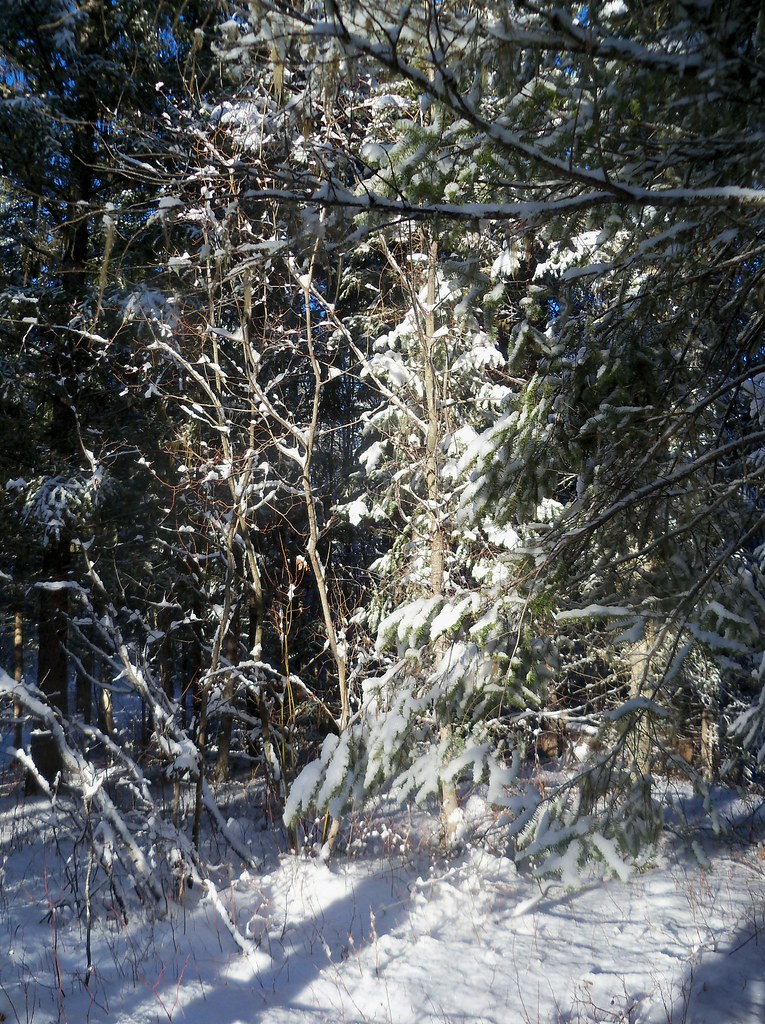
There is no need to seek a herd to appreciate the relationship. A view of snow gathering beneath old trees can be enough to recall how differently another animal experiences the season.
For a person on a winter outing, deeper snow often means a harder walk. For a deep-snow mountain caribou in suitable late-winter conditions, the rising surface can bring the next meal closer. The same snowfall changes the height of two very different worlds.
Sources: 6
Sources and further reading
- Rangifer tarandus: Fire Effects Information System species review (opens original source)US Forest Service · Checked
- Learn about caribou in British Columbia (opens original source)Province of British Columbia, updated April 2026 · Checked
- Species Summary: Caribou, Southern Mountain Population (opens original source)BC Conservation Data Centre · Checked
- National Atlas of Epiphytic Lichens in Forested Habitats of the United States (opens original source)US Forest Service · Checked
- Caribou in Canada: southern mountain caribou (opens original source)Environment and Climate Change Canada · Checked
- Snowmobiling in B.C. (opens original source)Province of British Columbia · Checked