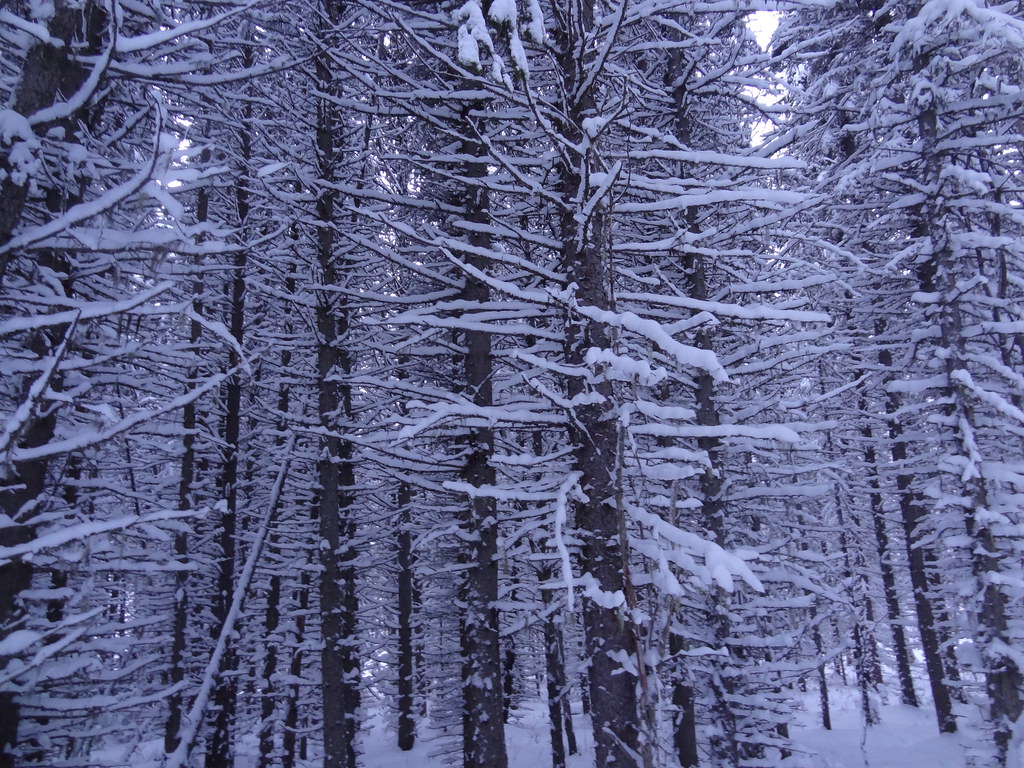
The Hidden World Beneath the Snow: Who Lives Under a Winter Trail?
A smooth white forest floor can conceal tunnels, stored food and animals getting on with winter beneath your feet.
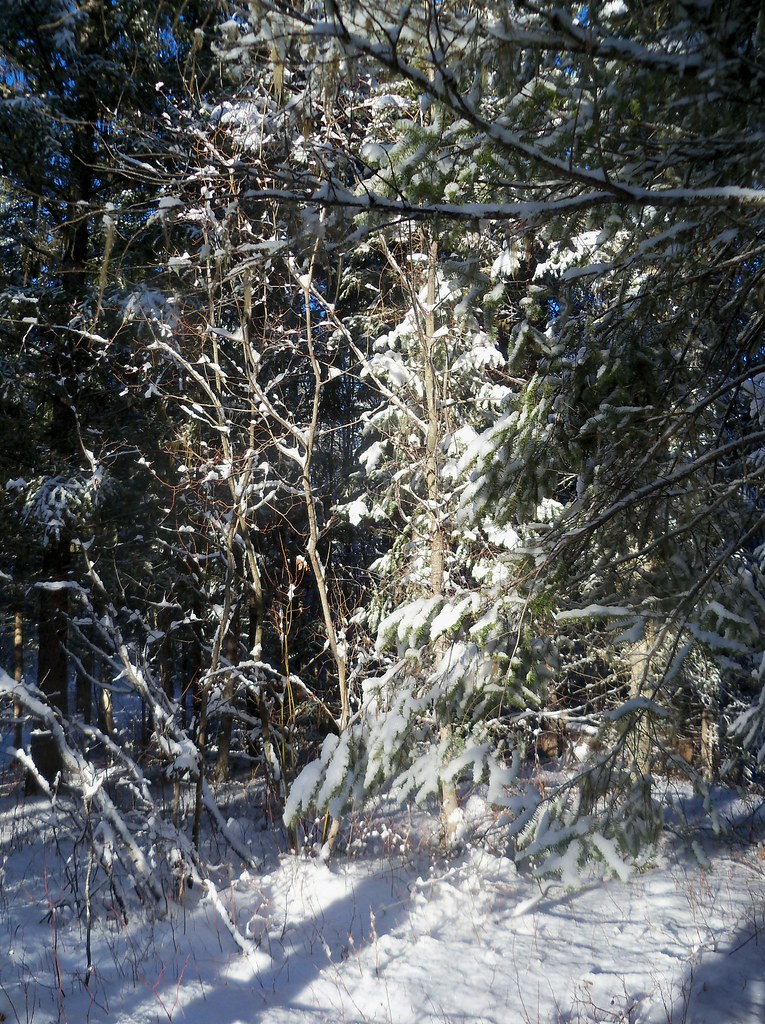
The footprints that stop
A tiny line of prints can end at a hole in the snow. To someone walking past, the animal seems to have vanished. From its own point of view, it may simply have gone indoors.
Beneath a winter snowpack lies a thin, sheltered world at the meeting of snow and ground. Ecologists call it the subnivean zone, or subnivium. Small mammals can move through it while the surface above looks almost untouched. A snowy walk through Prince George’s woods therefore passes over more than dormant plants and fallen leaves. Part of the winter forest is hidden underneath the scenery.
Most trail maps leave out this scale of the landscape. The short distance from the snow’s surface to the ground can matter more to a small animal than the distance between two trail junctions matters to a walker.
Sources: 1
Cold material, useful shelter
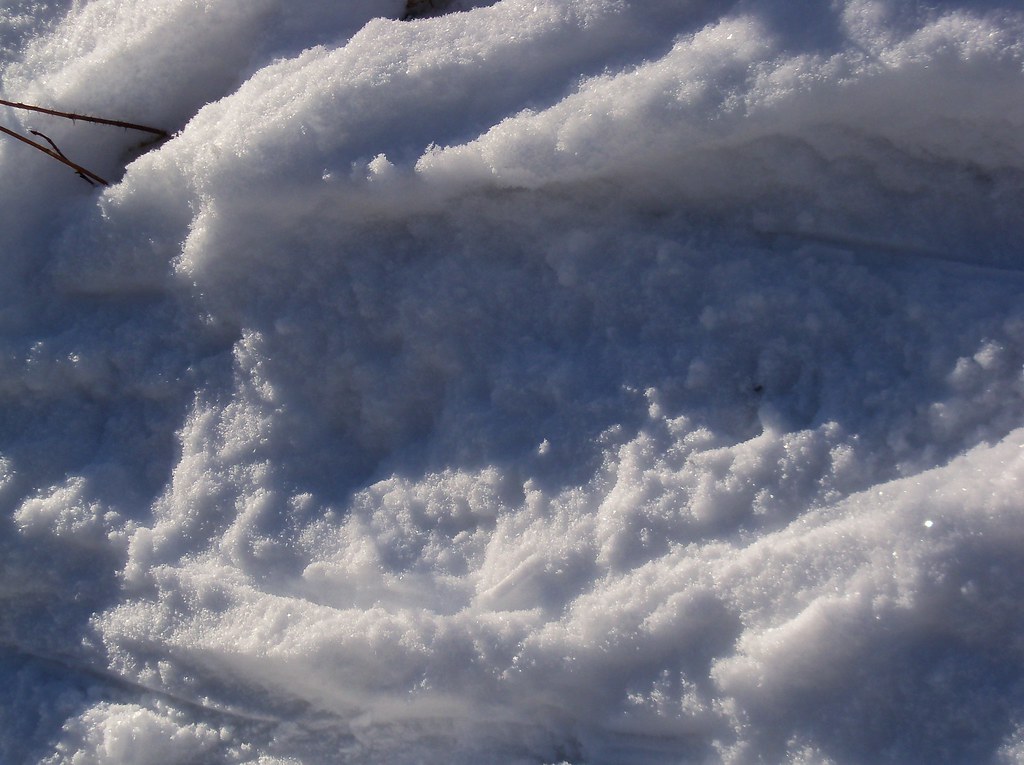
Snow makes a surprising roof. It feels cold against a hand, yet a cover containing plenty of air can slow the loss of heat from the ground. The surface and the space underneath need not experience the same temperature. Wind can scour the world above while the lowest layer remains comparatively sheltered.
The shape of the snow matters too. Where warmer lower layers and colder upper layers create a strong temperature difference, crystals can change into loose, grainy forms. Small animals can move through this material more readily than through a hard, compacted layer. Their winter home is built partly by weather and partly by the changing structure of the snow itself.
Sources: 2
Winter is still a working day
For an active vole or shrew, shelter does not remove the need to eat. The hidden space is a place to travel and forage, not a guarantee of a season spent asleep. Different animals have different diets and strategies, so a tunnel does not identify either its builder or its most recent visitor.
The National Park Service’s account of small mammals in Denali describes winter use of insulated spaces and routes out of sight of predators. Its red-backed vole example has a varied menu that includes seeds, roots, fungi and other foods. A snow roof can conceal a busy search through the remains of the growing season, close to the stems and soil that summer walkers step past.
Sources: 3
A roof is not a fortress
Leaves and little branches can help hold snow above the ground, leaving useful spaces underneath. A landscape that looks neatly covered from above may be full of uneven gaps and passages at mouse height. The sheltered world is not a single open room.
Nor is it completely private. Foxes and coyotes can detect small animals moving beneath snow and pounce through the covering. The snow gives prey concealment, but the predator does not always need a clear view. It is a striking change of perspective: a smooth patch beside the trail can be a roof for one animal and a place to listen for another.
Sources: 4
A milder winter can remove the blanket
The importance of cover makes winter warming more complicated than a simple reduction in cold. A shorter period of snow cover can leave the ground exposed during freezing weather. Animals that depend on insulation may then face harsher conditions at ground level even as average air temperatures rise.
A 2019 study in Nature Climate Change examined frozen ground with and without snow across large regions and modelled future changes. Its central warning is about the timing of protection, not just the annual amount of snowfall. How long the ground remains covered, how deep the snow becomes and how dense it is all affect the refuge. A mild afternoon does not tell the whole winter story.
Sources: 5
The map that appears in spring
When snow thins naturally, concealed routes can appear as small runways or tunnel-shaped patterns in flattened vegetation. A network hidden in January can briefly be laid out on the ground.
Leave the snow roofs and openings intact. There is no need to uncover them early. The space between the trees already holds a different meaning: shelter, routes and, sometimes, a set of footprints leading to a doorway too small for us to enter.
Sources: 6
Explore the places in this story
Forests for the World
A familiar forest setting for noticing snow and small signs from established land trails.
Moore’s Meadow
Observe the meadow edge without excavating snow or following animals.
Sources and further reading
- Snug in the Snow (opens original source)US National Park Service · Checked
- Winter Wanderings (opens original source)US National Park Service, Glacier · Checked
- Mice, Voles, Shrews, and Lemmings (opens original source)US National Park Service, Denali · Checked
- The Subnivean Zone (opens original source)Illinois Department of Natural Resources · Checked
- Climate change causes functionally colder winters for snow cover-dependent organisms (opens original source)Zhu and colleagues, Nature Climate Change, 2019 · Checked
- Insect, Mammal and Bird Signs (opens original source)Alaska Department of Fish and Game · Checked