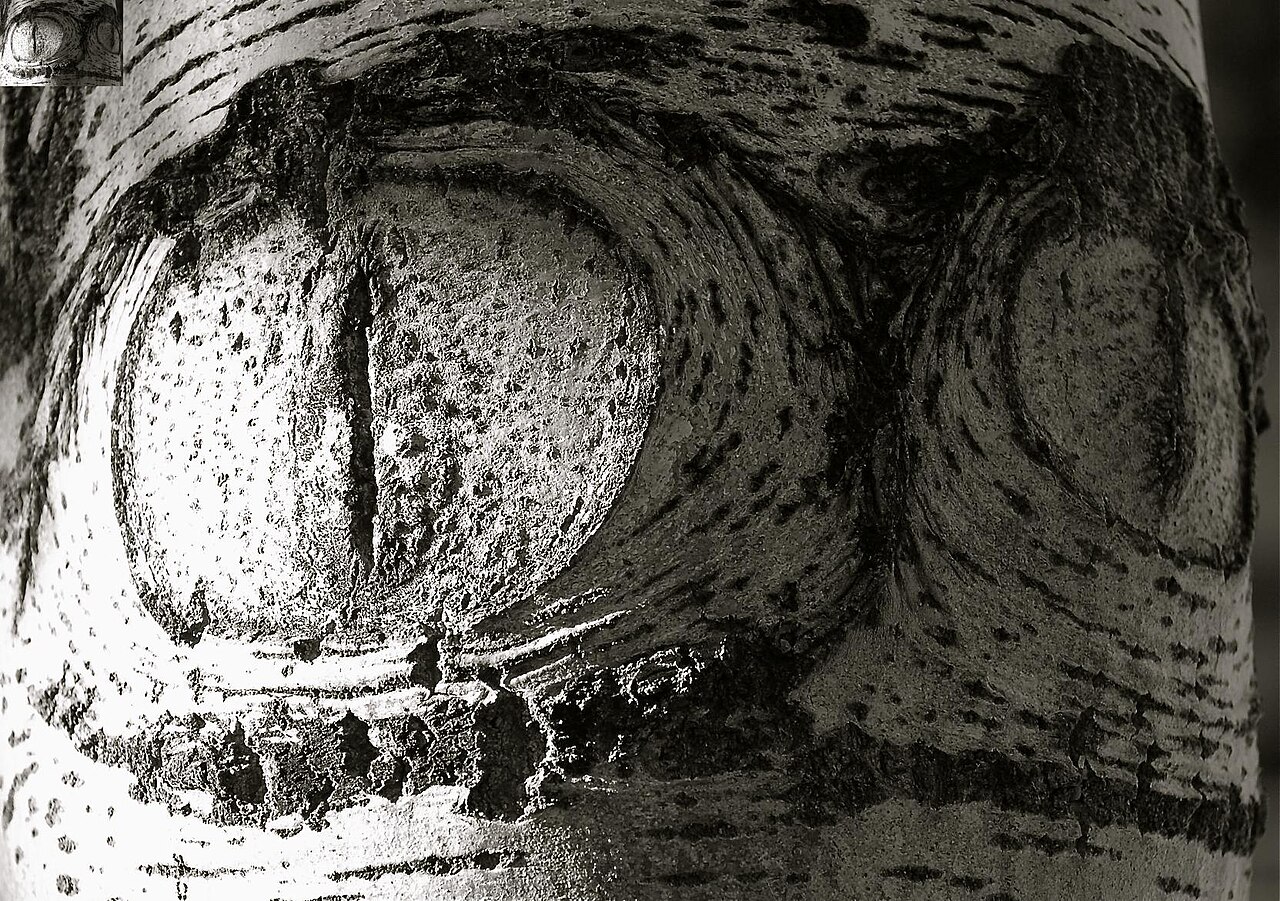
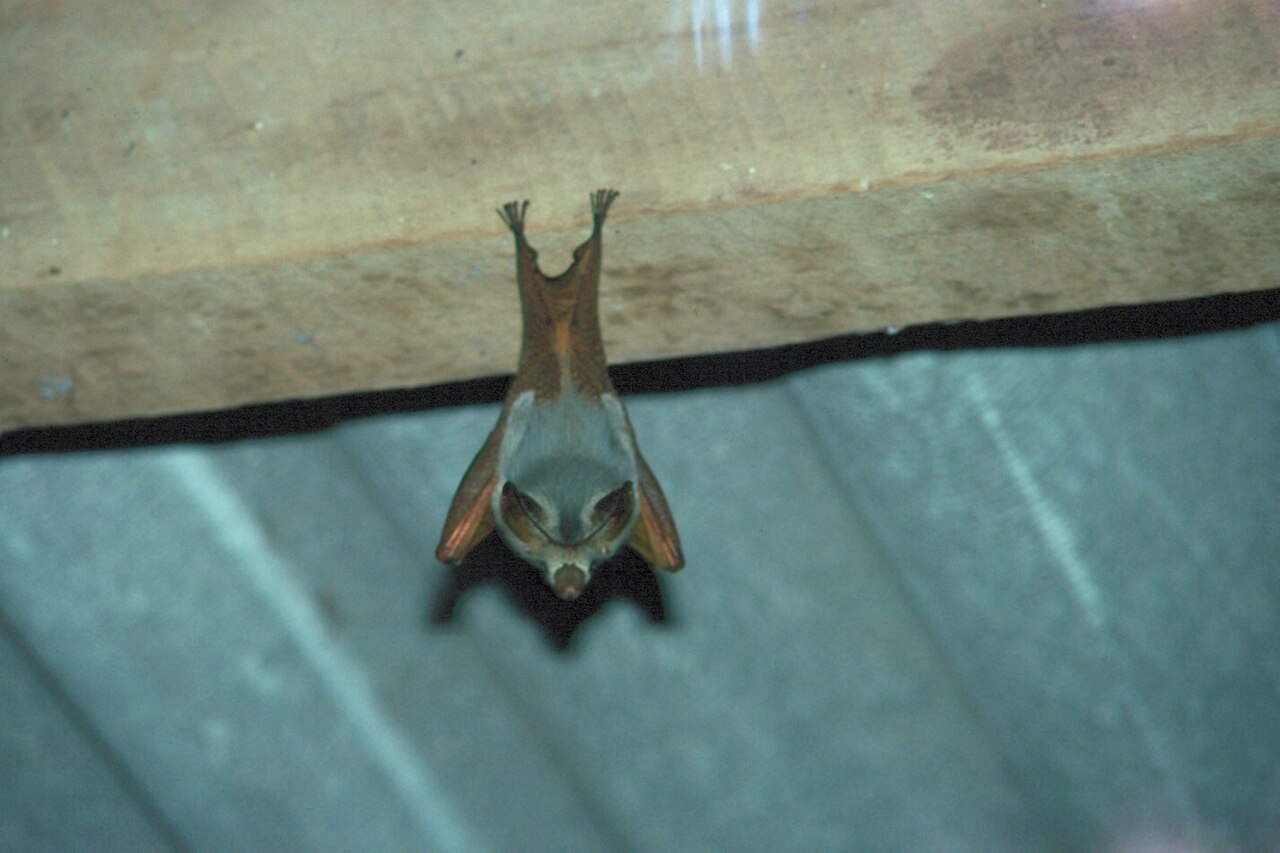
Eyes in the Dark: What Is Looking Back From the Forest?
Two bright points can turn a dark wood into a mystery. The explanation begins with your own light coming back.
Two points without a body
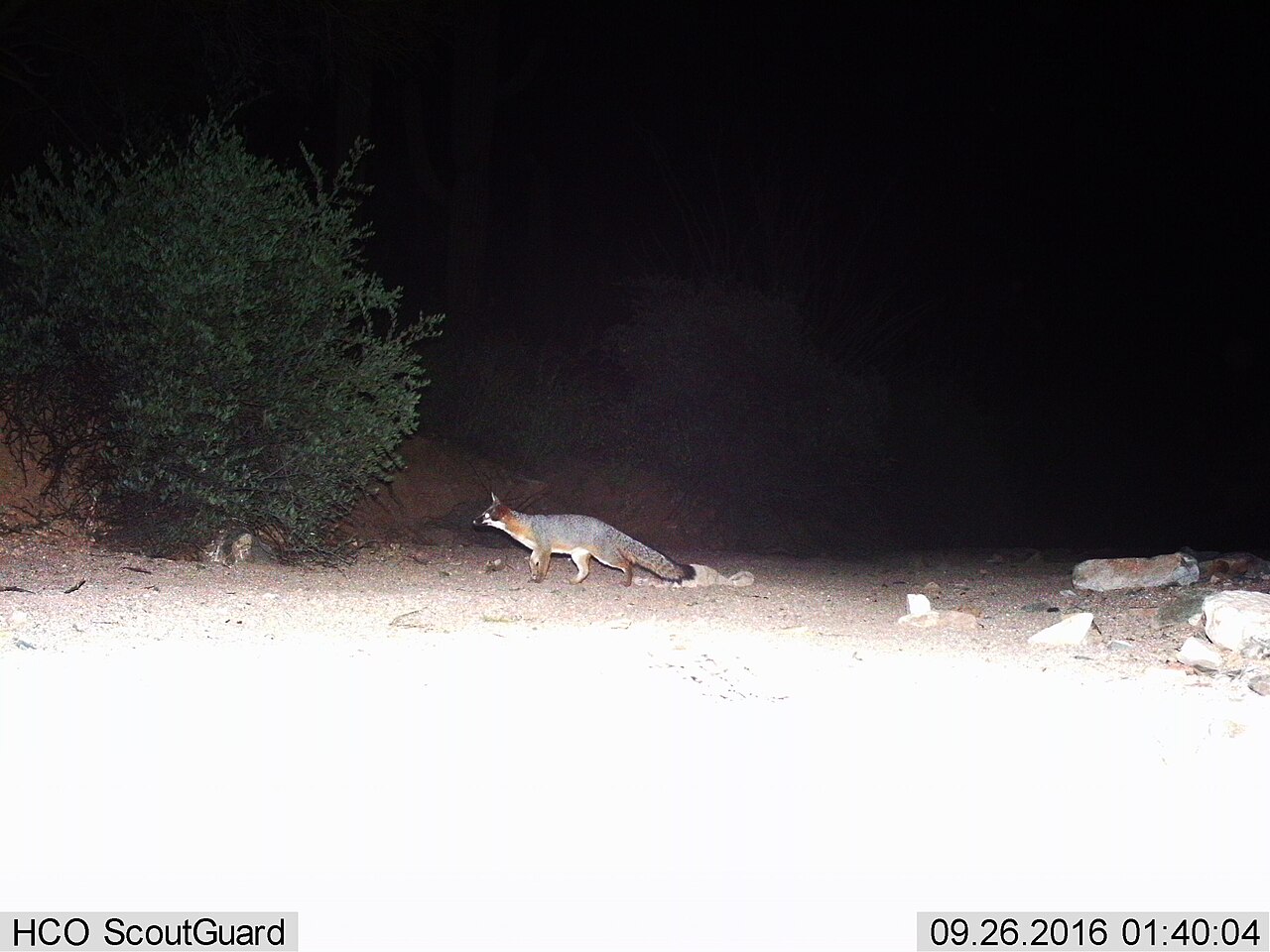
Two bright points appear between the trees. The rest of the animal is missing from view: no outline, no coat, no obvious scale. For a moment, the forest seems to have acquired a pair of lights of its own.
That fragment is enough to make an ordinary encounter feel extraordinary. Darkness removes much of the information that would make a daylight animal familiar, while a headlamp can pick out the one feature that returns its beam. The result feels like a revelation, but it is also a limitation. You have seen a reflection before you have seen the creature.
Sources: 1
A second chance for light
Many animals have a reflective layer behind the light-sensitive retina called the tapetum lucidum. Light that has passed through the retina can be sent back through it, giving the visual system another opportunity to detect it. Some of that returning light emerges from the eye and reaches the observer. This is eyeshine: borrowed light, not a biological lamp.
Humans do not have that reflective layer. The red eyes in an old flash photograph arise differently, from light returning from the blood-rich back of the eye. The animal in the beam is revealing a useful piece of its visual equipment, built into an eye that has to work when light is scarce.
Sources: 2
The world beyond the beam
A reflector is only part of night vision. The retina also contains different kinds of light-sensitive cells. Rods are especially useful at low light levels; cones support the detailed, colour-rich vision associated with brighter conditions. Research at the US National Eye Institute has explored how mammals came to have such rod-rich retinas.
That gives the encounter a pleasing reversal. We bring a bright lamp because the forest has become difficult to read. Another animal may be operating with a visual system adapted to much dimmer conditions. The darkness outside our narrow pool of light is not necessarily empty or unreadable to its other inhabitants.
Sources: 3
Colour is not a name tag
An internet chart that turns every green or orange reflection into a species name promises more certainty than the light can supply. Reflected colour is a property of an optical system, not a label attached to an animal.
Arctic reindeer offer an extraordinary example. Researchers have examined a seasonal change in their tapetum: golden reflections in summer give way to blue in winter. The changing structure helps tune reflection to the unusually blue light of Arctic twilight. It is the reflective tissue inside the eye that changes, not simply the visible iris becoming a new colour.
That is a result from Arctic reindeer research, not a test for identifying a distant BC animal. Without a body outline, behaviour and other reliable features, the honest answer to what is looking back may remain unknown.
Sources: 4
The smaller surprise
The glitter does not have to belong to a large mammal. Some spiders have reflective structures in their eyes too. A study in the Journal of Arachnology examined eyeshine in wolf spiders and related fishing and nursery-web spiders, describing how light returned from the eye can appear as a bright pinpoint.
The scale changes the story completely. A glint close to the ground need not conceal a fox, deer or larger animal. It may belong to a creature whose entire body would fit into the space between two leaves. The same broad problem, making use of limited light, has produced reflective solutions in very different kinds of eyes.
Sources: 5
Let the mystery keep its distance
Natural darkness is habitat. Artificial light can alter how animals move, feed and avoid danger, so an unexpected reflection is not an invitation to sweep the woods repeatedly or follow its owner. Keep enough light for your footing and leave the animal room.
A pair of eyes can remain unidentified without making the encounter disappointing. The wonder is already there: light has travelled into another animal's eye and come back through the trees. For an instant, a hidden piece of the night has returned your signal.
Sources: 6
Sources and further reading
- The Power of Night Interpretive Handbook (opens original source)US National Park Service · Checked
- Species Spotlight: Red Fox (opens original source)US National Park Service · Checked
- NIH Vision Scientists Test Theory of How Rods in our Retina Originated (opens original source)National Eye Institute · Checked
- Reindeer eyes seasonally adapt to ozone-blue Arctic twilight by tuning a photonic tapetum lucidum (opens original source)Fosbury and Jeffery, Proceedings of the Royal Society B, 2022 · Checked
- Reflections on the tapetum lucidum and eyeshine in lycosoid spiders (opens original source)Benson and Suter, Journal of Arachnology, 2013 · Checked
- Animals Need the Dark (opens original source)US National Park Service · Checked