Stanley: The Ghost Town on the Road to Barkerville
Discover Stanley on the Barkerville road through its surviving hotel, Chinese businesses and the working community behind the ghost-town name.
One building, several names
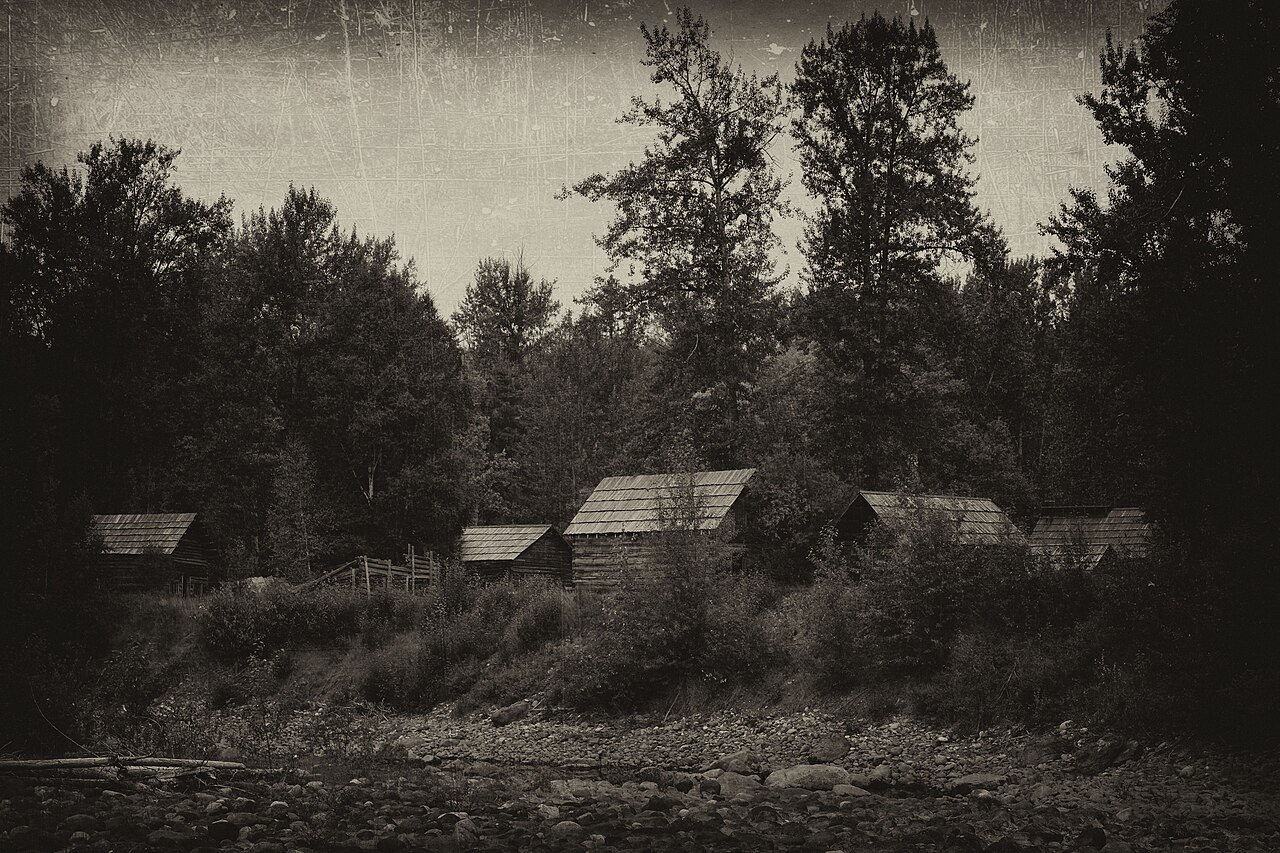
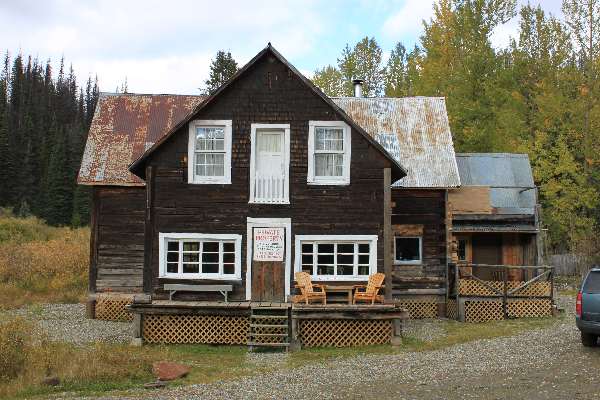
A place can almost disappear while its names keep travelling. At Stanley, the surviving hotel has been called the Lightning Hotel, the Stanley Hotel and the Lightning Creek Inn. The official heritage register gathers those names around one building on the old Cariboo Waggon Road. For a visitor, it is a useful first clue: this was a place where journeys stopped for the night.
Barkerville supplies the famous destination at the end of the highway. Stanley asks for a different kind of attention. Much of its story has to be recovered from what is missing: neighbouring businesses, traffic on the road and the ordinary reasons people had to stay.
Sources: 1
A creek became a working town
Gold discoveries on Lightning Creek in 1861 helped bring Stanley and nearby Van Winkle into being. A historical essay published by the Friends of Barkerville describes a community with hotels, saloons, a dance hall, a jail, and post and telegraph services. Freight teams travelling between Quesnel and Barkerville could stop here overnight.
That list changes the picture. A gold rush town needed much more than men looking into pans. Horses needed attention, boots wore out, messages arrived, and travellers wanted supper and a bed. The businesses made the mines workable; the mines helped give those businesses customers. A quiet road today can conceal a complicated economy.
Sources: 2
Read the Chinese names into the street
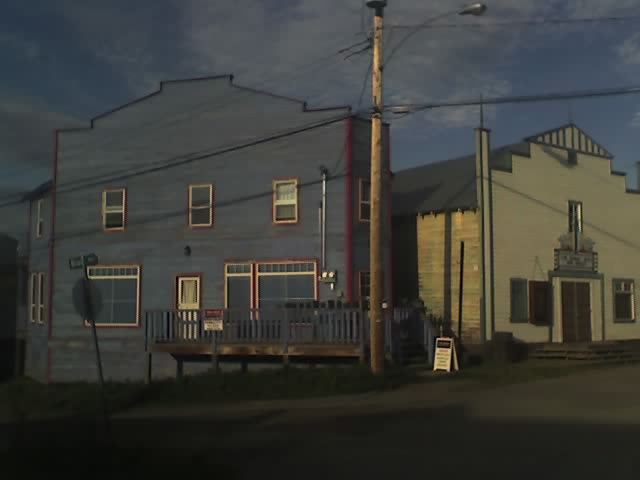
The same account identifies Chinese businesses including Kwong Lung Kee, Wing Shang and Yee Wo Sang. Their names belong in Stanley’s story alongside the hotel and mining claims. Chinese residents were part of the community’s commercial life, not simply an anonymous workforce appearing at the edge of someone else’s adventure.
Try reading a surviving building as one part of that wider street. What goods might have needed storing? Where would a traveller have sought information? Which kinds of work left large structures, and which left little that a passing motorist would notice? Those questions bring the town closer than a claim that it was once bigger than somewhere else.
Sources: 2
The hotel is a piece of engineering
The heritage description identifies logs squared on three sides, wooden dowels holding the structure together, and a coach door above the front entrance. These are details to look for in a clear exterior view or documented photographs. They make the building more than a weathered silhouette.
Its form belongs to the practical business of accommodating travellers. The register connects the present structure to the stagecoach era, while tracing the Lightning Hotel name to William Houseman’s renaming of a saloon in 1873. Those are related histories, not proof that every part of the surviving structure dates to that year.
Sources: 1
A stop on the road, with time left to look
Stanley is reached from the Highway 26 corridor on the journey towards Wells and Barkerville. The field guide identifies the townsite and cemetery, but a heritage listing is not an invitation to enter a building or cross private ground. Plan a daylight visit, use lawful public approaches and respect any closures or barriers.
The broader Cariboo journey also runs through continuing Indigenous territories. The creation of a mining settlement was one chapter in the landscape’s history. If you visit the cemetery, read it as a record of individual lives and families, with the care a place of remembrance deserves.
What a ghost town can give back
Stanley’s appeal is not that nothing happens there. It is the effort of recognising how much once did. A hotel doorway suggests arrivals. A business name gives the vanished street an owner. A telegraph office places the settlement inside a much larger exchange of news.
Continue to Barkerville with those details in mind and the highway becomes less empty. It passes through the remains of a network of communities, each with its own working day. Stanley makes one of those days imaginable again.
Sources and further reading
- Lightning Hotel: Statement of Significance (opens original source)Cariboo Regional District, Canadian Register of Historic Places · Checked
- Stanley: Friends of Barkerville newsletter, July 2011 (opens original source)Friends of Barkerville, Cariboo Goldfields Historical Society · Checked
- Cariboo Goldfields: Stanley (opens original source)Pacific Slope Consortium · Checked
- Gold Rush Circle Route (opens original source)Gold Rush Trail, Cariboo Chilcotin Coast Tourism · Checked