Wells: The Gold Town That Grew During the Great Depression
Wells grew while much of Canada struggled for work. Follow the gold, town planning and community life behind its colourful Cariboo streets.
Gold arrived while other work disappeared
In January 1933, the Cariboo Gold Quartz Mine began successful production. Its first shipment of gold followed that spring. While unemployment and business failures were reshaping lives elsewhere in Canada, a new mining town was taking form in the Cariboo.
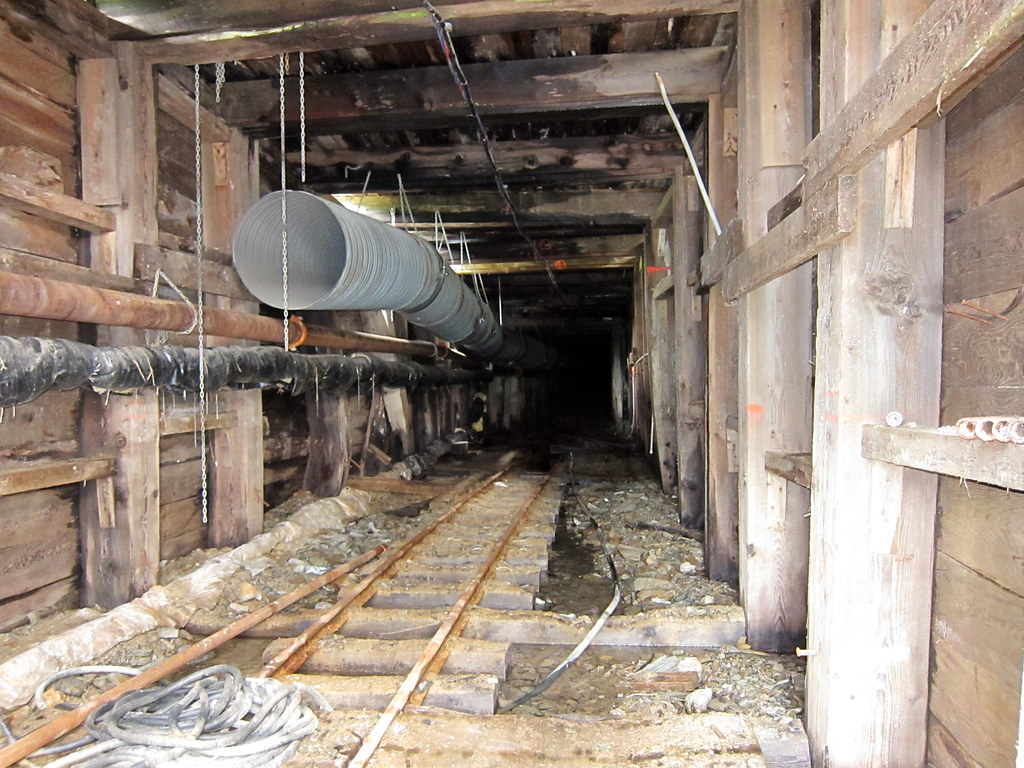
Wells was not simply a late chapter of Barkerville’s nineteenth-century rush. Its fortunes depended on hard-rock mining: following gold-bearing veins underground rather than recovering loose gold from stream deposits. The Cariboo Gold Quartz and Island Mountain mines worked neighbouring mineral ground. Their operations needed equipment, investment and a continuing workforce. The town that grew around them had to provide more than a brief stopping place for prospectors hoping to strike lucky.
Sources: 1
A precious metal in a depressed economy
The Wells Historical Society describes gold as an exception within the wider Depression economy. Demand for many products weakened, while gold’s value helped make new mining investment attractive. For people searching for work, the chance of a wage could justify a move to a distant mountain community.
That contrast is the story behind Wells’ rapid growth. It does not mean that living there removed every hardship or that everyone shared equally in prosperity. It means the town’s principal product behaved differently from many of the goods on which other communities depended. In a place built around one industry, that difference could determine whether houses were going up or families were moving away.
Sources: 2
Building a town for people who would stay
In 1933, the mining company created the Wells Townsite Company to develop and sell land. Its founders wanted a stable workforce and encouraged families to settle. Streets, services and homes were therefore part of the mining business, not simply amenities that appeared after it became successful.
The company also encouraged private enterprises. Wells was planned around a dominant employer, but its commercial life was not entirely company-owned. That distinction helps explain why the town developed the institutions and variety of a community rather than functioning only as a camp. A wage brought a worker north; a suitable home, a school and a social life helped make staying possible. The town plan was an investment in that permanence.
Sources: 3
Look beyond the mine entrance
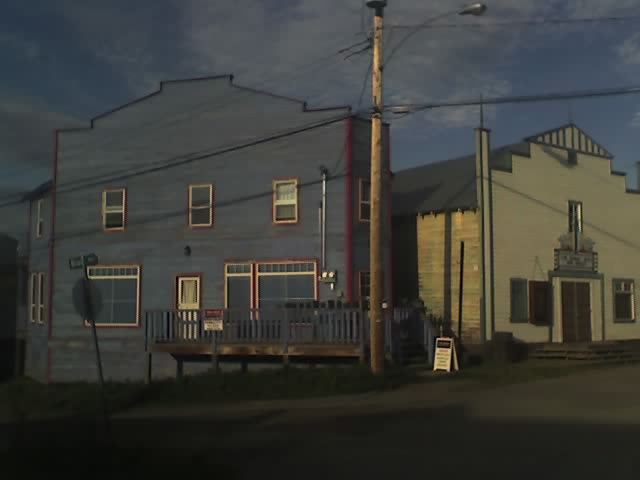
The built details were ambitious. A hospital went up in 1937, and a substantial community hall opened on Sanders Street the same year. The hall contained a stage, reading and billiard rooms, a kitchen and spaces for clubs and recreation. It supplied many kinds of indoor life in one building.
The Historical Society also records the pastel colours used on houses, including blues, greens, pinks and pale yellows. That detail gives the familiar Wells streetscape a historical context. Colour was part of the town’s domestic appearance, while services and shared buildings made the settlement more practical. A walk through Wells can therefore become a way to look at what a mining company thought families would need, as well as what residents made of those provisions.
Sources: 4
Prosperity could stop at the mine gate
The labour dispute of 1937 exposed the vulnerability beneath the growth. Miners at Island Mountain walked out in May over a seniority issue, while organisers sought recognition for their union. The company fired strikers and closed the mine. Cariboo Gold Quartz also shut down, from May 25 to July 15, and refused to negotiate with the outside union.
With little strike pay, families sought other work or asked local merchants for credit. The companies could wait longer than many households could afford. Work resumed, but the Historical Society records lasting bitterness between union supporters and workers who wanted to return. New houses and a busy community hall stood in a town where a dispute at the mine could abruptly stop the income supporting them.
Sources: 5
The community was larger than the company
The Hong family’s history links Wells with other Cariboo communities. Bill Hong worked in mining and commerce across the region and helped establish a Barkerville business that his sons later moved to Wells in 1953. Their story carries the town beyond its founding decade and beyond the fortunes of its mine managers.
Give the Wells Museum and the streets around the community hall time on a visit, checking opening arrangements before travelling. The Two Sisters guide offers a mountain outing to consider alongside a day in town.
At street level, Wells’ Depression story is still a story of ordinary needs: a home, medical care, a place to gather and a shop to supply the household. Gold brought the wages, but those were the things that made a mining settlement somewhere people could build a life.
Explore the places in this story
Two Sisters near Wells
A separate mountain outing requiring route and access checks.
Mount Guyet
Another distinct outing; do not combine historic mine exploration with hiking advice.
Sources and further reading
- Two Companies (opens original source)Wells Historical Society · Checked
- The Depression (opens original source)Wells Historical Society · Checked
- A Different Company Town (opens original source)Wells Historical Society · Checked
- Features of a Company Town (opens original source)Wells Historical Society · Checked
- Strikes at the Mines (opens original source)Wells Historical Society · Checked
- The Hongs: Merchants of Wells (opens original source)Wells Historical Society · Checked