The Sawmill Communities That Once Lined the Upper Fraser Railway
Giscome, Penny and other Upper Fraser settlements grew around mills and railway connections. Follow the machinery, community life and changes behind their names.
Start with a saw that outlived its mill
An eight-foot-diameter Waterous bandsaw at the Central BC Railway and Forestry Museum once worked at Eagle Lake Spruce Mills in Giscome. Installed in the 1930s, it remained in use until 1974. The museum explains its task plainly: turn round logs into squared timber and lumber while wasting less wood as sawdust than less efficient equipment.
The machine is a useful beginning for a journey east of Prince George. It makes the scale of the work tangible before a map reduces the former mill communities to names beside a railway. Giscome, Aleza Lake, Sinclair Mills and Penny were places where timber processing supported homes, schools and social lives. The saw survives as equipment. The communities require a different kind of remembering.
Sources: 1
The East Line was a chain of working places
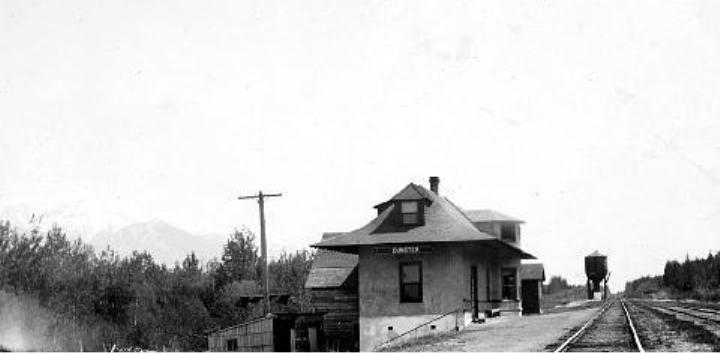
The railway east of Prince George was known as the East Line. College of New Caledonia’s description of historian J. Kent Sedgwick’s Giscome Chronicle places Giscome among roughly forty small sawmill towns that developed along it. The book follows Giscome from 1912 to the closure of its mill and townsite in 1976.
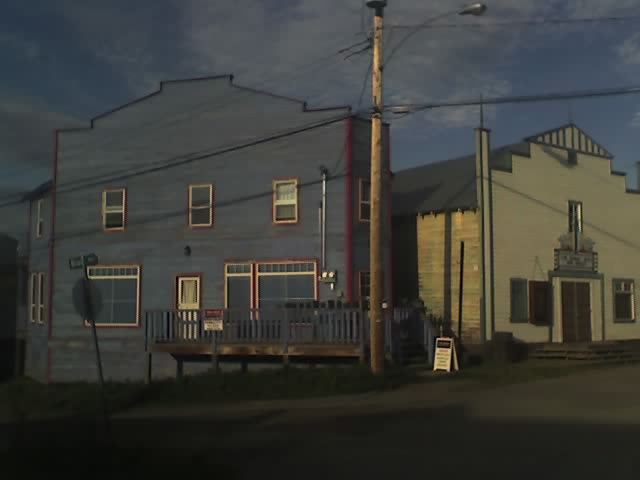
The names on that line remain familiar: Giscome, Aleza Lake, Sinclair Mills, Penny. Their histories differ, and some remain lived-in communities. A mill closing could change where a family earned its living without ending its ties to the place.
Sources: 2
Penny’s history was not one rise and one fall
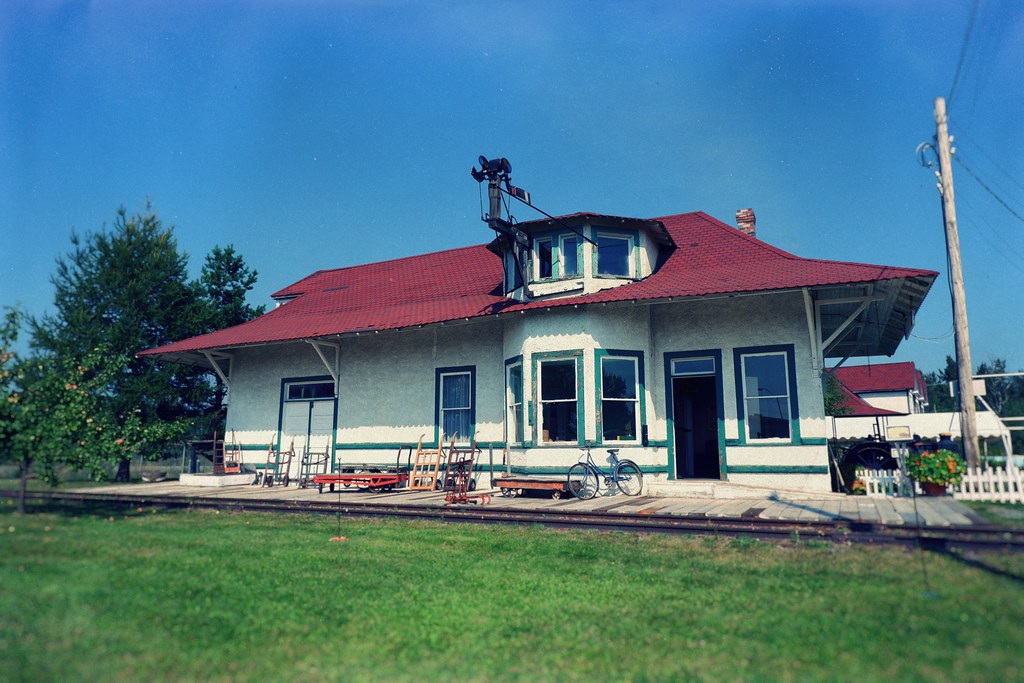
UNBC’s Upper Fraser research compilation records a school opening at Penny in 1921, in a community supported by farming, lumbering and railway maintenance. When lumber markets weakened during the 1930s, farming and government relief roadwork replaced some mill employment.
Demand revived after the war. Later closures were followed by a reopening under new management, with the mill operating into the 1960s. Other kinds of work followed: the compilation records tree-planting companies and fire-suppression crews in the 1970s, then a salmon hatchery in the 1980s.
For people heading towards Red Mountain, Penny is more than an old mill name on the approach. Its history includes children going to school, families changing jobs and enterprises that continued after the principal mill years.
Sources: 3
When the industry changed scale
The Northern BC Archives research guide traces another part of the story through Northwood Pulp and Timber. Noranda’s move into the regional forest industry involved purchases including Sinclair and Upper Fraser sawmills. A Prince George pulp mill followed in the mid-1960s, creating a different market for wood fibre.
Those purchases connected local mills to a larger group of operations. Decisions about timber, processing and investment could now affect several communities at once. The mill beside a settlement was part of an industry increasingly organised across the region.
Sources: 4
The river had communities before the mills
In its evidence to the National Energy Board in 2014, Lheidli T’enneh described the Fraser and its tributaries as long-standing sources of food and central places in the Nation’s culture. The presentation also explained contemporary fisheries monitoring and restoration.
The Fraser connects those continuing responsibilities with the industrial histories of the East Line. Fishing places, rail lines and former mill sites occupy the same river landscape. Following the mill communities east also means travelling beside a river whose importance reaches far beyond the years when logs supplied their machinery.
Sources: 5
The lives around the mill
UNBC’s Upper Fraser Historical Geography Project combined maps, photographs and interviews to document the settlements. By May 2001, researchers had conducted more than seventy-five interviews, exploring family and community life alongside technology, government policy and industry consolidation.
The railway and forestry museum is a public starting point for this history. Northward’s Harold Mann Regional Park and Willow River Interpretive Trail guides offer nearby outdoor outings. Use established public destinations; occupied homes, rail property and former industrial land require their own access permissions.
The Waterous saw makes the size of one machine easy to grasp. Learning the names around it supplies the rest of the picture: the school at Penny, the mills at Giscome and Sinclair, and the households whose plans changed when the work did. The East Line carried lumber out, but its history also records the lives people built along it.
Explore the places in this story
Harold Mann Regional Park
A separate public recreation destination in the Eaglet Lake area.
Willow River Interpretive Trail
Check current public access independently; not a route into former mill property.
Red Mountain Cabin
Separate backcountry outing reached through the Penny area.
Sources and further reading
- W is for Waterous Bandsaw (opens original source)Central BC Railway and Forestry Museum · Checked
- Giscome Chronicle publication announcement (opens original source)College of New Caledonia Press · Checked
- Penny: literature and local-history research notes (opens original source)UNBC Upper Fraser Historical Geography Project · Checked
- Northern BC Archives Research Guide, forest industry developments (opens original source)Northern BC Archives, UNBC · Checked
- Lheidli T’enneh oral presentation, 20 November 2014 (opens original source)National Energy Board transcript of Lheidli T’enneh presentation · Checked
- UNBC hosts open houses for Upper Fraser local history project (opens original source)University of Northern British Columbia · Checked