Zombie Salmon: The Last Journey of Fish That Are Falling Apart
A salmon can reach its spawning stream with a body already breaking down. Its extraordinary final act continues long after it stops swimming.
Alive, but near the end
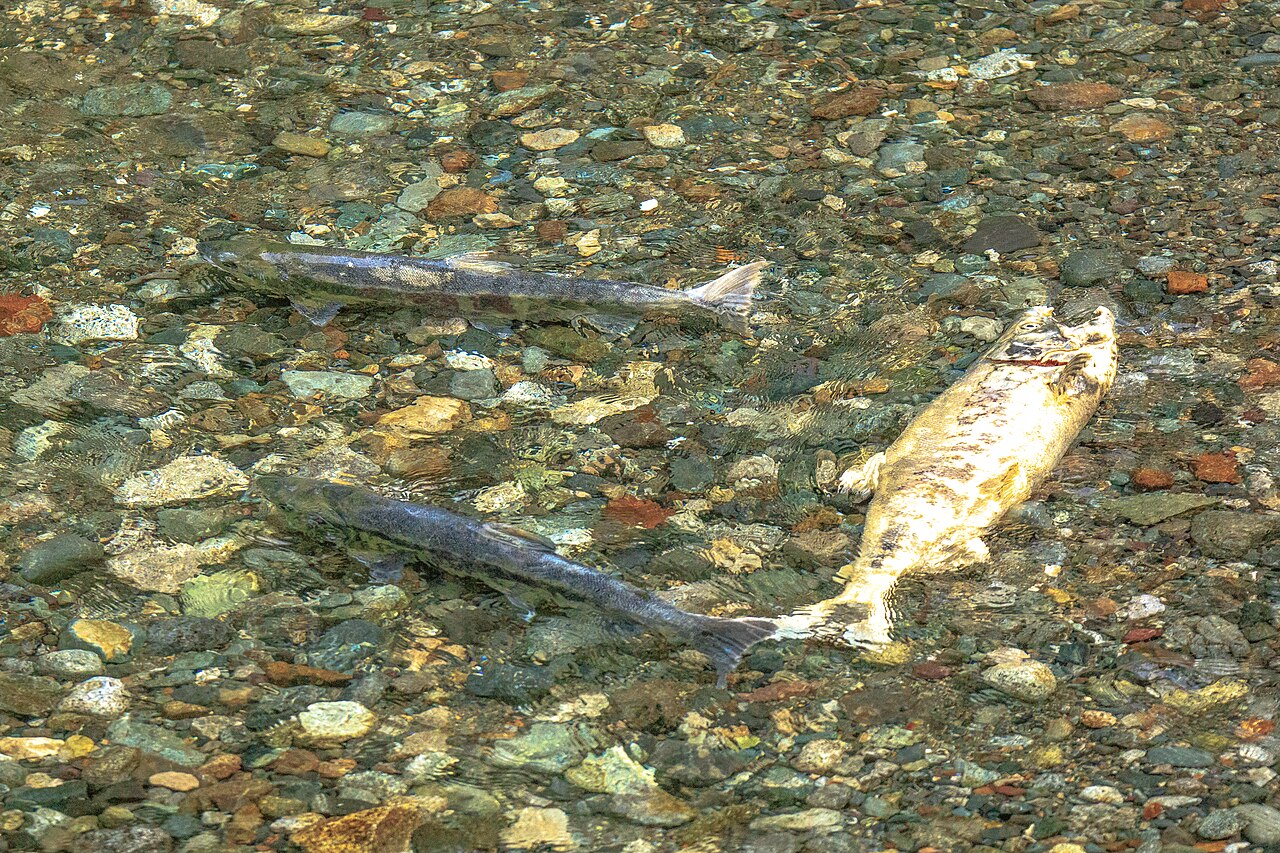
The disturbing part is that the fish is still swimming. Its fins may be worn, its skin damaged and its body transformed from the sleek animal that fed at sea. The nickname zombie salmon catches that uncomfortable overlap: a living animal can look as though decomposition has already begun.
For Pacific salmon such as sockeye, Chinook and coho, the spawning journey involves profound physical change. Stored energy supports migration and reproduction. Pigments can move from flesh into the skin; males may develop striking jaws and teeth. Females work gravel into nests. The fish arriving at the end is spending the body it built during its earlier life.
Sources: 1
A destination, not a return ticket
Spawning concentrates the entire life cycle into a small patch of riverbed. A female prepares a gravel nest called a redd, eggs are released, and a male fertilizes them. Beneath the gravel lies the beginning of another generation. Above it are adults whose reproductive work is nearly finished.
That pattern has important exceptions. Steelhead are rainbow trout with a seagoing life history, and some survive spawning to return to the ocean and reproduce again. Atlantic salmon can also spawn more than once. The one-way journey belongs to particular salmon life histories, not to every fish carrying salmon or trout in its name.
The body changes from within
A difficult swim alone does not explain the ending. Reproductive maturation, energy use and the body's stress systems interact as these salmon undergo rapid senescence, the deterioration associated with ageing. The external damage is only the visible part.
Research on maturing Chinook has examined cortisol, a hormone involved in the stress response. Rising cortisol accompanies maturation, but the story is more complicated than a single chemical acting as a death switch. Energy depletion, immune function and exposure to pathogens can all matter. A fish's remaining reserves and condition shape how it reaches the spawning grounds, and whether it completes reproduction before it dies.
Sources: 4
Five days, measured closely
In a study of sockeye entering a spawning channel, researchers followed individual fish through their final days. Those salmon lived an average of five days in the channel. Their energy reserves declined, stress-related blood measurements increased, and concentrations of important dissolved salts fell.
Five days was the result for those fish in that study, not a countdown for every salmon in every river. What makes the experiment revealing is the convergence: several systems were changing together. The researchers also found differences associated with sex and activity. The end of a salmon's life is a whole-body process, expressed through individual animals rather than a perfectly synchronized clock.
Sources: 5
The river keeps what the fish brought
Death changes the form of the journey. A carcass supplies energy and nutrients to the river community, including organisms that help support young salmon. NOAA's account of coho describes how nutrients such as nitrogen and phosphorus from adult bodies can benefit the next generation.
There is a startling overlap of beginnings and endings here. Eggs lie in the gravel while the bodies of the adults enter the food web around them. The fish do not have to remain recognizable for their contribution to continue. Flesh becomes a meal, nutrients become available again, and material accumulated during life at sea moves through freshwater organisms.
Sources: 6
A different forest at the water's edge
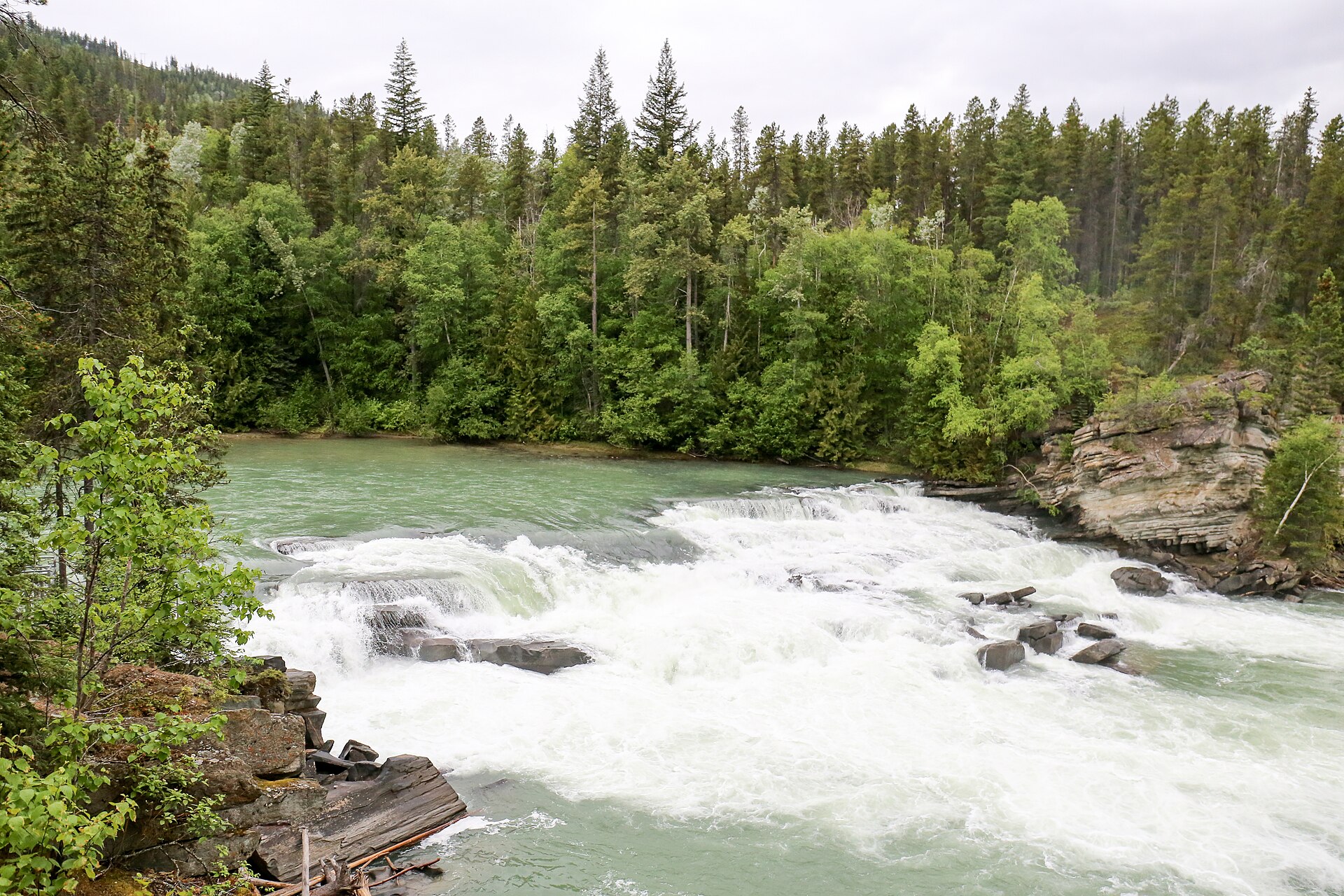
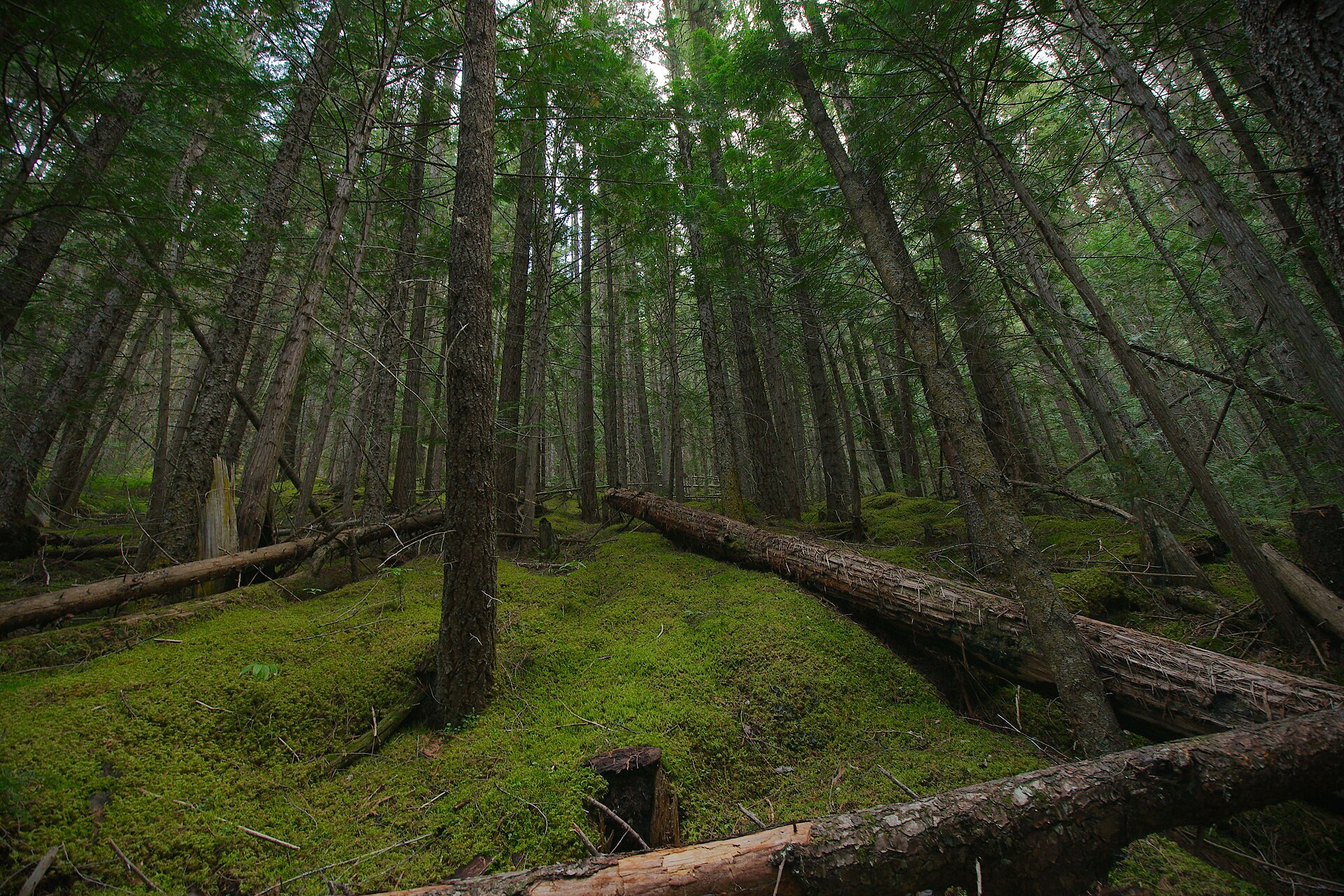
The influence can reach beyond the channel. In research across 50 watersheds in British Columbia's coastal Great Bear Rainforest, scientists found that salmon-derived nutrients were associated with changes in riverside plant communities. Nutrient-demanding plants gained an advantage, and plant diversity was lower where salmon nutrient inputs were greater.
That finding makes the connection more interesting than a simple claim that salmon make everything grow better. A nutrient supply can change which plants succeed. These were coastal watersheds, not a measurement of every forest along the Fraser, but they reveal the reach a returning fish can have.
The zombie nickname belongs to the unsettling last appearance. The larger story belongs to what follows: a body built in one environment becomes part of another, until the end of a fish is no longer a single ending at all.
Sources: 7
Sources and further reading
- Life After Death: Your Ultimate Guide to Zombie Salmon (opens original source)US Fish and Wildlife Service · Checked
- Salmon Life Cycle and Seasonal Fishery Planning (opens original source)NOAA Fisheries · Checked
- Atlantic Salmon: Science (opens original source)NOAA Fisheries · Checked
- Scope of the cortisol stress response in Chinook salmon during maturation (opens original source)Couch and colleagues, Fisheries Research, 2022 · Checked
- Influences of sex and activity level on physiological changes in individual adult sockeye salmon during rapid senescence (opens original source)Hruska and colleagues, Physiological and Biochemical Zoology, 2010 · Checked
- Coho Salmon: Science (opens original source)NOAA Fisheries · Checked
- Impacts of salmon on riparian plant diversity (opens original source)Hocking and Reynolds, Science, 2011 · Checked