Why the Forest Goes Quiet After Snowfall
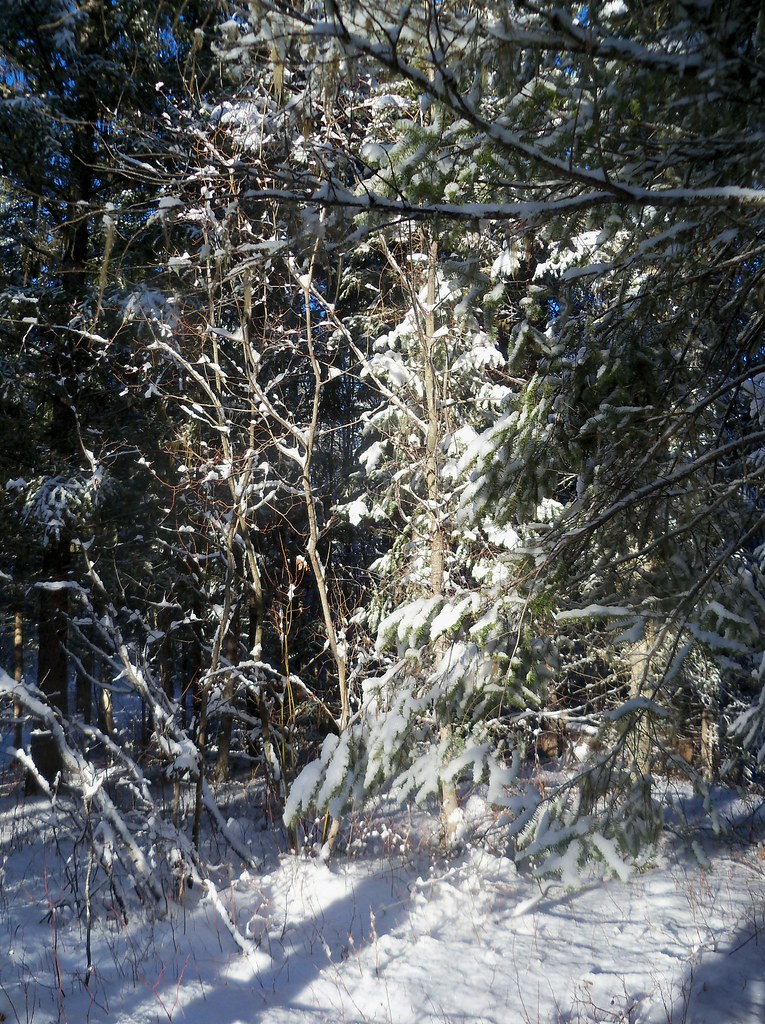
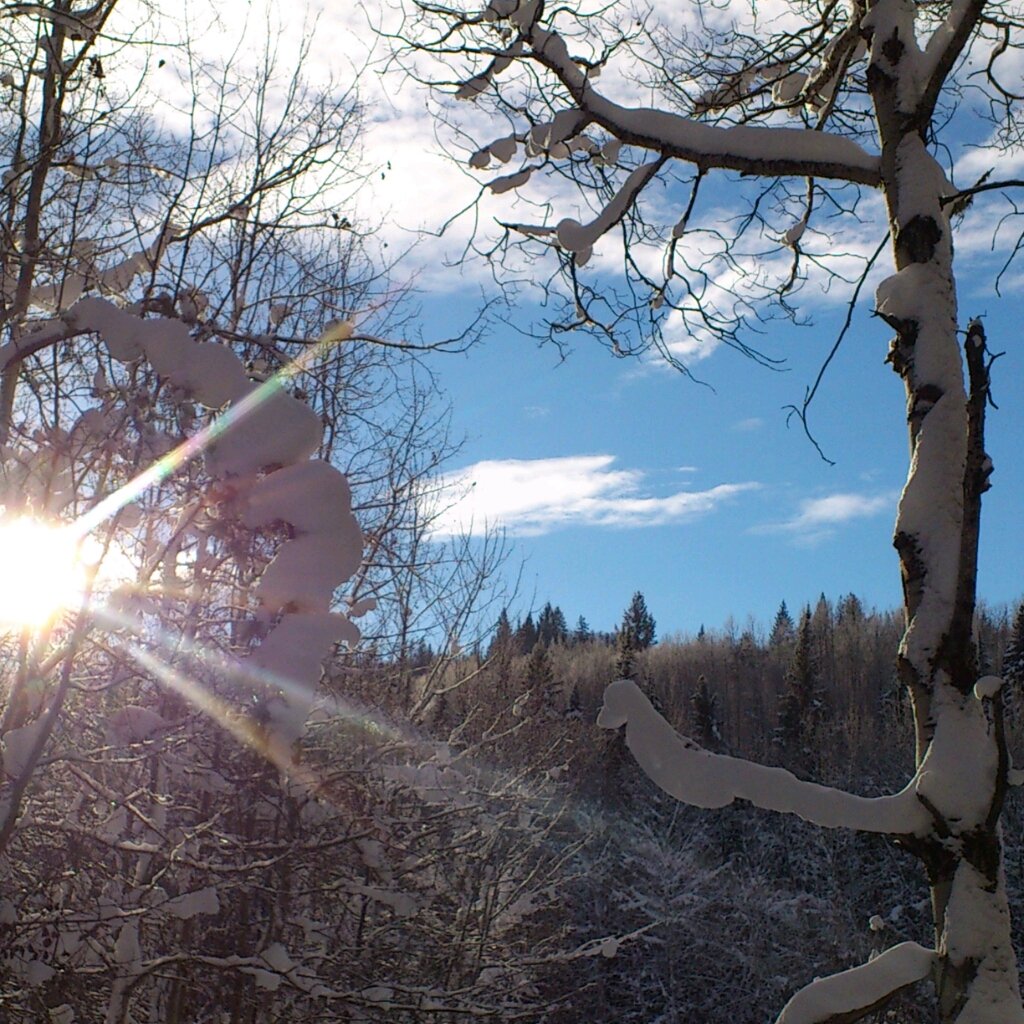
Fresh snow changes the way a forest carries sound. The hush has as much to do with the spaces between crystals as with the winter landscape.
A different kind of arrival
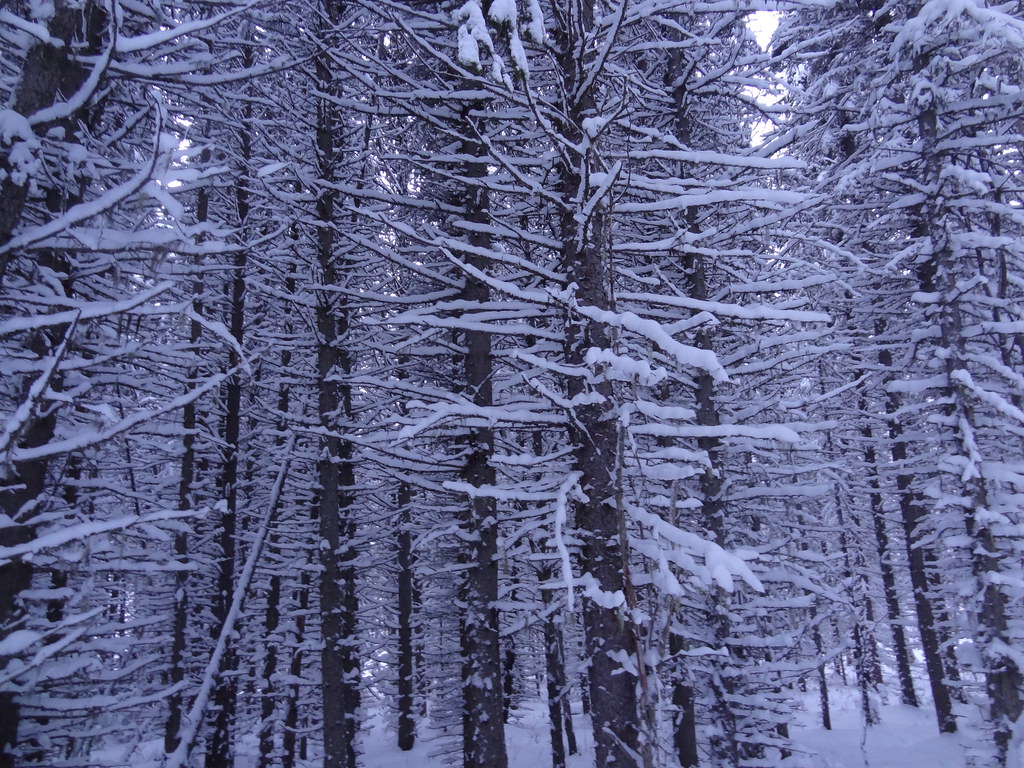
After a snowfall, a familiar trail can sound newly enclosed. A road seems more distant; small noises lose their sharpness.
Fresh, fluffy snow absorbs sound that meets its surface, changing the acoustic ground beneath the trees. The snowfall has altered more than the view. It has changed part of the landscape through which the surrounding sound is heard.
Sources: 1
The useful emptiness between crystals
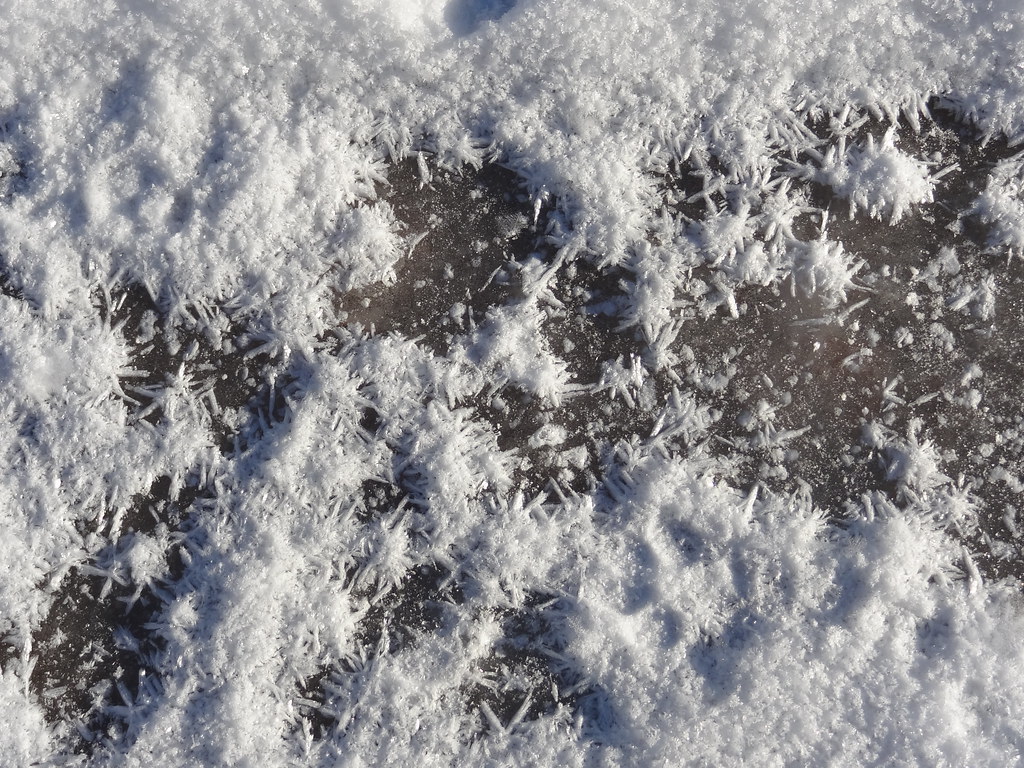
A snowbank is not a block of solid ice. It is a structure of ice grains and spaces containing air. That arrangement is central to its acoustic behaviour: sound interacts with both the icy framework and the air within it.
Research by geophysicist Rolf Sidler models snow as a porous material, showing why density and porosity matter to the way acoustic waves travel and weaken. Light snow can strongly attenuate sound. The explanation lies in the material’s internal structure, far below the scale of a boot print.
That makes the winter hush wonderfully tangible. The complicated spaces between tiny grains help create an experience large enough to change the feel of an entire walk.
Sources: 2
Yesterday’s snow is already different
Snow starts changing after it lands. Grains develop bonds and the geometry of the spaces between them changes. Two white surfaces that look similar from standing height can have different structures, and different acoustic responses.
In a cold-room experiment published in 2020, researchers used ultrasound to examine snow without crushing its delicate structure. They detected a change after fresh snow had aged for just one day. Small changes in the pores and the paths through them were enough to affect the signal.
The experiment was conducted at frequencies above human hearing, but it demonstrates how responsive snow’s acoustics are to its physical condition. The surface is continually changing even while the landscape appears to be holding still.
Sources: 3
Why cold snow can be loud underfoot
A hushed forest can still squeak with every step. A boot compresses snow and forces ice grains together. Their friction helps produce the cold-weather crunch; nearer melting, that movement can be quieter.
A melt and refreeze can also leave a smooth, hard surface that reflects sound more effectively. A powder morning and an icy afternoon need not sound alike.
Sources: 1
The sky has a say
The air above the snow matters as well. A temperature inversion places warmer air over colder air near the ground, changing how sound travels through the atmosphere. Snow cannot guarantee silence when other conditions favour sound carrying.
National Park Service researchers studying a subalpine valley in Denali found that strong inversions increased measured sound levels. Their work helps explain why remoteness alone does not produce a predictable acoustic experience. The same distant source can be much more noticeable under one set of atmospheric conditions than another.
There is no need to turn a Prince George walk into a weather experiment. It is simply worth leaving room for surprise when the woods sound different from the day before.
Sources: 4
There is more than one kind of quiet
A forest soundscape contains many separate sources: wind moving through vegetation, flowing water, birds and other animals. A pause on a trail can reveal which ones are present that day. Some are continuous, while others arrive briefly and disappear.
Try noticing the nearest sound first, then the most distant. A rustle among branches and the steady background of the city occupy different parts of the experience. This needs neither a recording nor a measure of absolute silence. It is a way to notice a place through something a photograph cannot keep.
Sources: 6
Quiet enough to hear what remains
A subdued background does not mean the birds have stopped communicating. Black-capped chickadees use several calls, including alarm signals, and their familiar call can change with the level of alarm. In much of their range, males begin singing during winter, well before the forest looks ready for spring.
If a call interrupts a pause on the trail, it belongs to an ongoing life among the branches. The quiet gives the listener a chance to separate it from footsteps, conversation and other background sound. There is no need to play a recording or draw the bird closer.
Pause, let your clothing stop rustling, and listen. A winter forest can feel hushed without being silent. Sometimes that is exactly what makes it worth hearing.
Sources: 5
Explore the places in this story
Cranbrook Hill Greenway
A forest setting for a quiet listening pause; choose an appropriate open winter route.
Forests for the World
Listen from the established land trails; this is not a claim of measured local sound levels.
Sources and further reading
- Science of Snow: snow and sound (opens original source)National Snow and Ice Data Center · Checked
- A porosity-based Biot model for acoustic waves in snow (opens original source)Rolf Sidler, Journal of Glaciology, 2015 · Checked
- Using Ultrasonic Waves to Determine the Microstructure of Snow (opens original source)Lieblappen and colleagues, Frontiers in Earth Science, 2020 · Checked
- Changing Weather Influences What We Hear in Remote Areas (opens original source)US National Park Service, Park Science · Checked
- Black-capped Chickadee: Sounds (opens original source)Cornell Lab of Ornithology · Checked
- Soundscapes (opens original source)US National Park Service, Mount Rainier · Checked