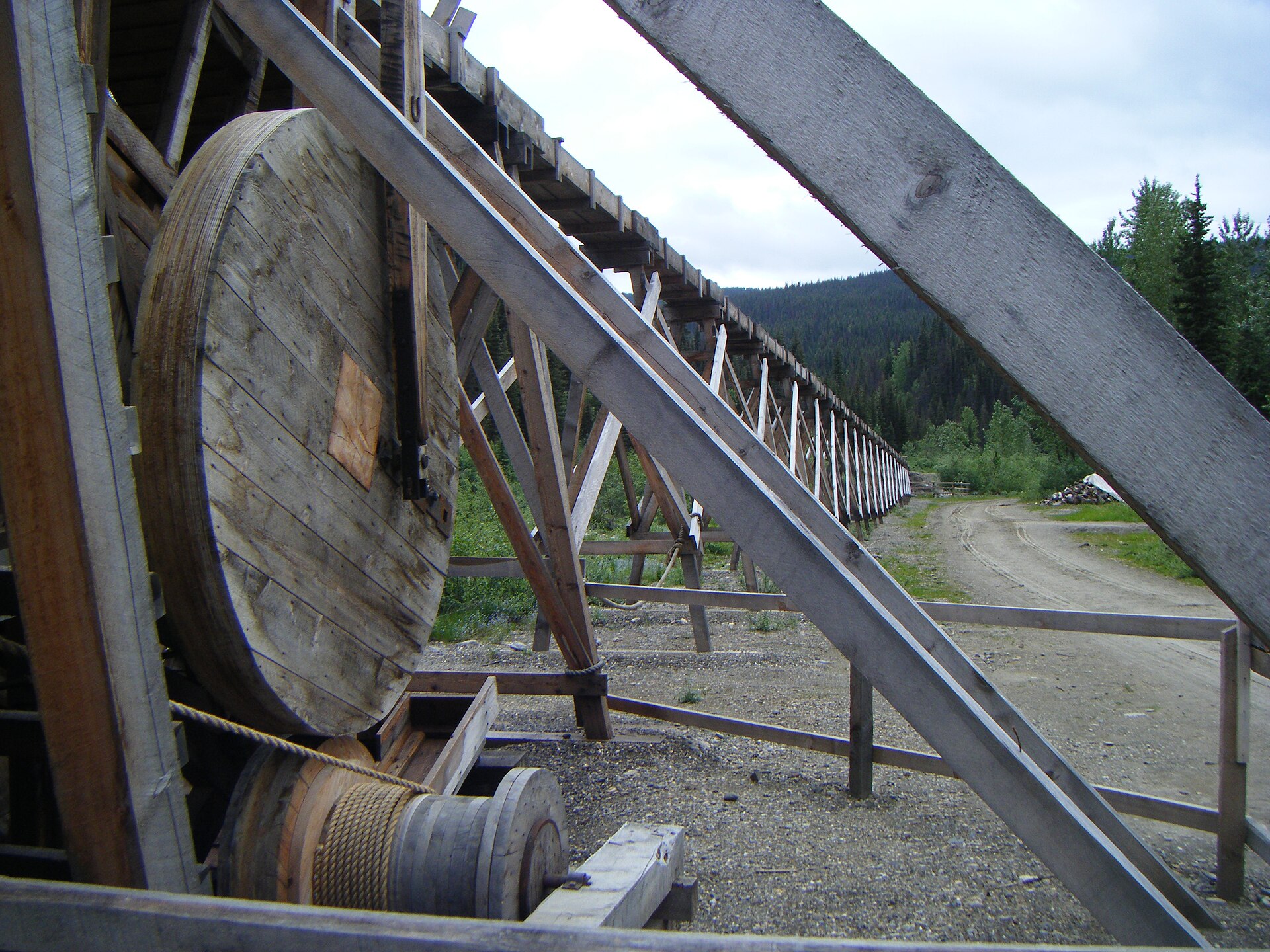
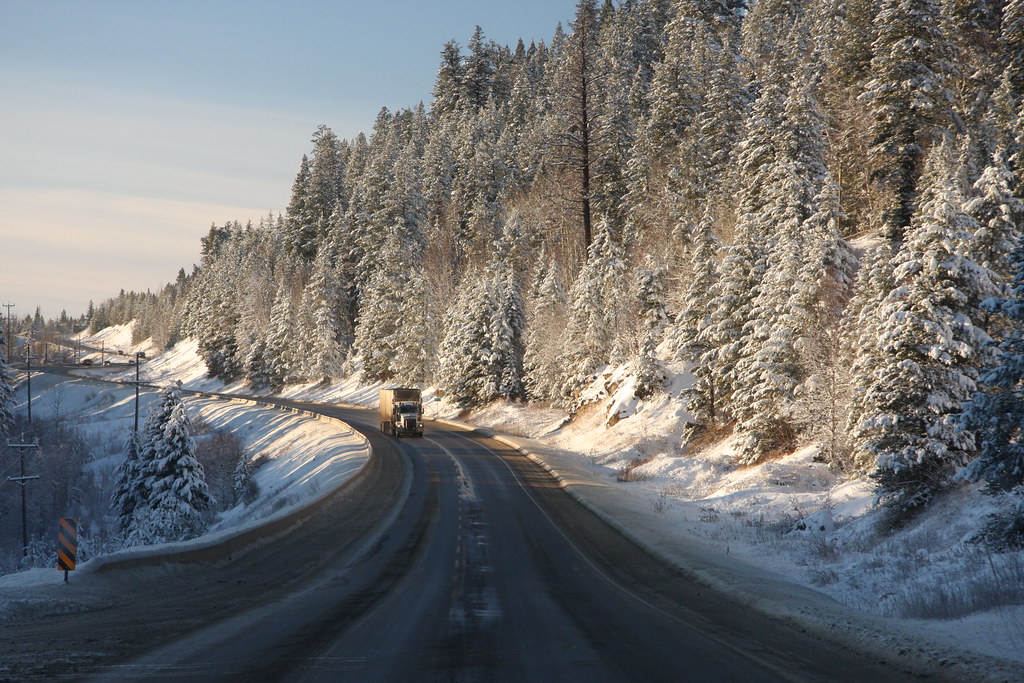
Barkerville Under Snow: The Other Season of a Gold Rush Town
Visit Barkerville’s quieter winter season through its snowy streets, gold rush winter stories and the practical details of a self-guided visit.
French lessons in a gold rush winter
In October 1867, a notice in the Cariboo Sentinel offered French, Spanish and English grammar lessons to people staying in Barkerville through winter. Historian Gordon Selman found it while researching adult education in the gold rush town. Amid the claims, shafts and uncertain fortunes, someone was making a plan for the long evenings.
It is a useful thought to carry into Barkerville under snow. The place was never only a moment of discovery. People had to live through the rest of the year, finding work, company and something worth doing when winter narrowed their world.
Sources: 1
A quieter way to walk the town
The present winter season is deliberately different from the main visitor season. On October 19, 2026, Barkerville advertised self-guided visits by donation from September 14, 2026 to May 13, 2027, with the walk-in gate open 8 am to 5 pm. Regular programming is absent; shops and restaurants are closed except during Olde-Fashioned Christmas. The Welcome Centre is also closed, with appointments arranged directly.
Plan for an outdoor visit through the historic streetscape. Bring your own food and drink, dress for the conditions and check the current notice before the journey. The pleasure comes from taking your time with the buildings and setting, without expecting a summer schedule of interpreters and demonstrations.
Sources: 2
Some left for winter, and some stayed
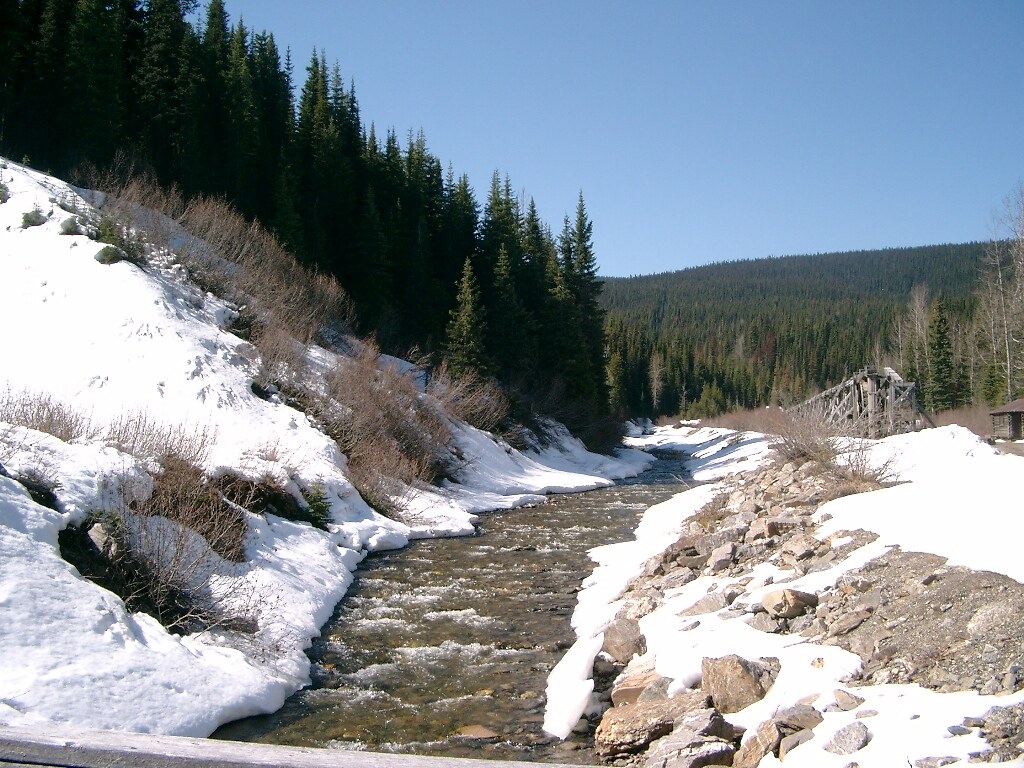
The seasonal rhythm could change a miner’s prospects. The BC Archives account of John Cameron describes his partners finding rich gold near Richfield in December 1862, after many other miners had left the Cariboo for winter. The account places their work in a landscape that had already lost much of its seasonal population.
That does not make staying a simple story of grit being rewarded. A rich strike is the exceptional event that survives in a biography. What it does reveal is how misleading a summer-only image of the gold rush can be. Winter was part of the working year, and deciding whether to stay could shape what happened next.
Sources: 3
Winter was a deadline
After Barkerville’s devastating 1868 fire, the approach of winter gave rebuilding an urgency beyond reopening businesses. The University of Victoria’s Colonial Despatches project describes rapid reconstruction before the cold season. A town could not treat shelter as a finishing touch.
Look at the buildings with that practical pressure in mind. Doors, walls and roofs made it possible for people to remain here. Snow can make a historic street picturesque, but it also brings the purpose of those structures into focus. They were places to work, store things, gather and get out of the weather.
Sources: 4
The hours after work
Selman’s study also follows the town’s reading rooms, library and cultural societies through contemporary newspaper reports. A notice encouraged use of the library as winter evenings lengthened. These details broaden the familiar gold rush cast: readers and language students belong beside miners and merchants.
The winter town had an appetite for ideas as well as supplies. That is worth remembering while passing a quiet building. Its significance may lie in the conversation it once held as much as in the business named on its front.
Sources: 1
A letter that takes the winter route
The modern Gold Rush Trail Sled Dog Mail Run adds another way to think about distance and communication. The District of Wells describes specially prepared envelopes carried by dog teams, cancelled along the route and then entering the ordinary postal system after reaching Barkerville. Check the organizer’s current schedule if you want to see the event.
A winter visit does not need to coincide with a celebration, though. The empty space in the day is useful. Walk slowly, notice the scale of a doorway against the snow, and think of the people arranging lessons, reading newspapers or waiting for news. Barkerville’s other season brings the business of living here closer to the surface.
Sources: 5
Explore the places in this story
Hallis Lake
A separate snowshoe outing near Quesnel to combine with a longer regional trip.
Ten Mile Lake
An additional winter trail stop near Quesnel, requiring its own access check.
Sources and further reading
- Adult Education in Barkerville, 1863 to 1875 (opens original source)Gordon R. Selman, BC Studies, University of British Columbia · Checked
- Winter Season (opens original source)Barkerville Historic Town & Park · Checked
- The People of the Cariboo Gold Rush: John Cameron (opens original source)BC Archives Time Machine, preserved by Library and Archives Canada · Checked
- Barkerville, Colonial Despatches place biography (opens original source)University of Victoria, Colonial Despatches project · Checked
- Gold Rush Trail Sled Dog Mail Run (opens original source)District of Wells · Checked