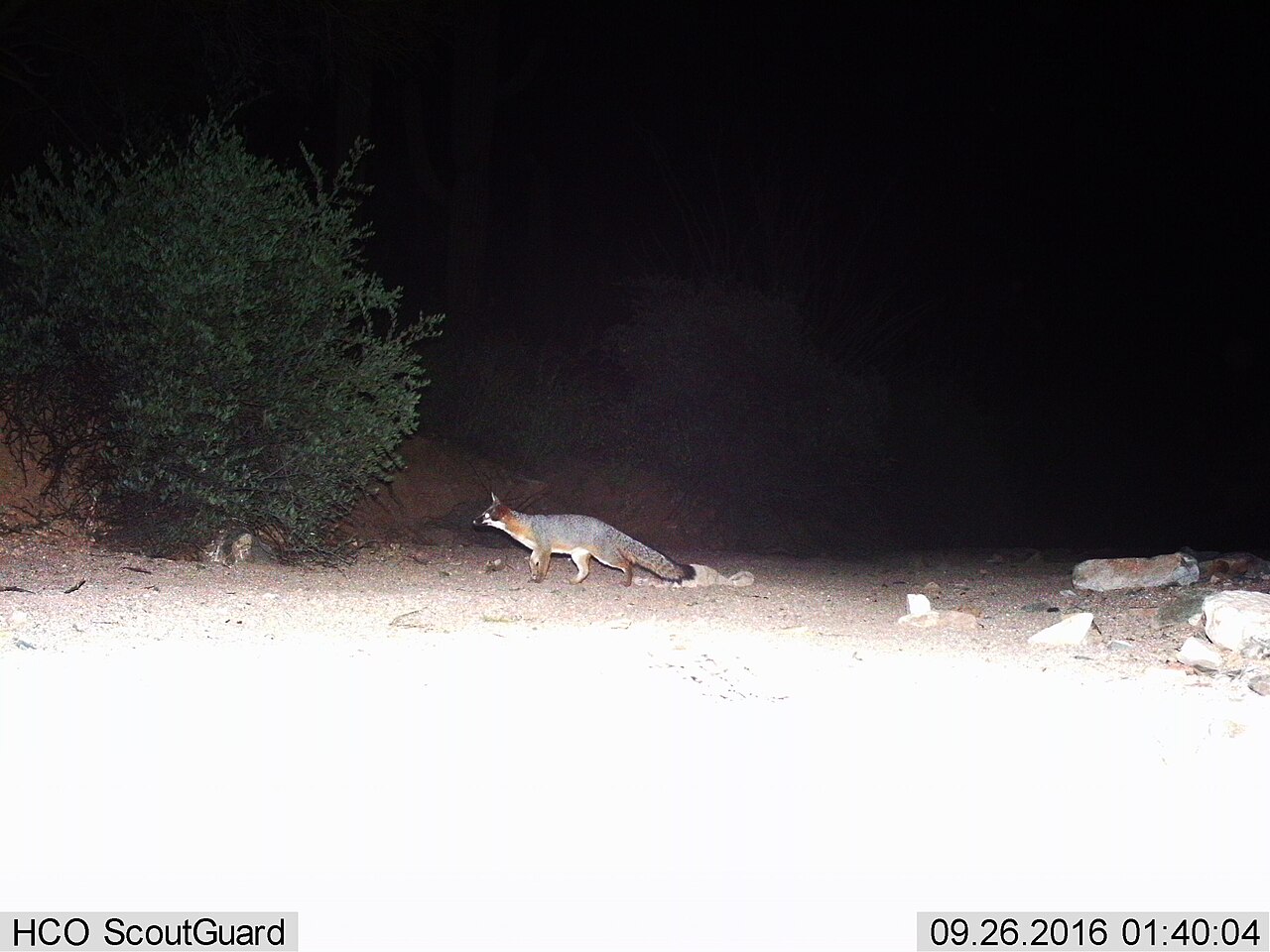
A gray fox recorded by a Saguaro National Park trail camera in Arizona, September 2016. Its eye reflects the camera illumination. This is an example of eyeshine, not a Prince George wildlife record.SaguaroNPS · Public domain (U.S. government work) · Retain source credit and licence. This Arizona gray fox demonstrates eyeshine generally; do not present as Prince George wildlife or infer species identity from eyeshine colour.
Two bright points can turn a dark wood into a mystery. The explanation begins with your own light coming back.
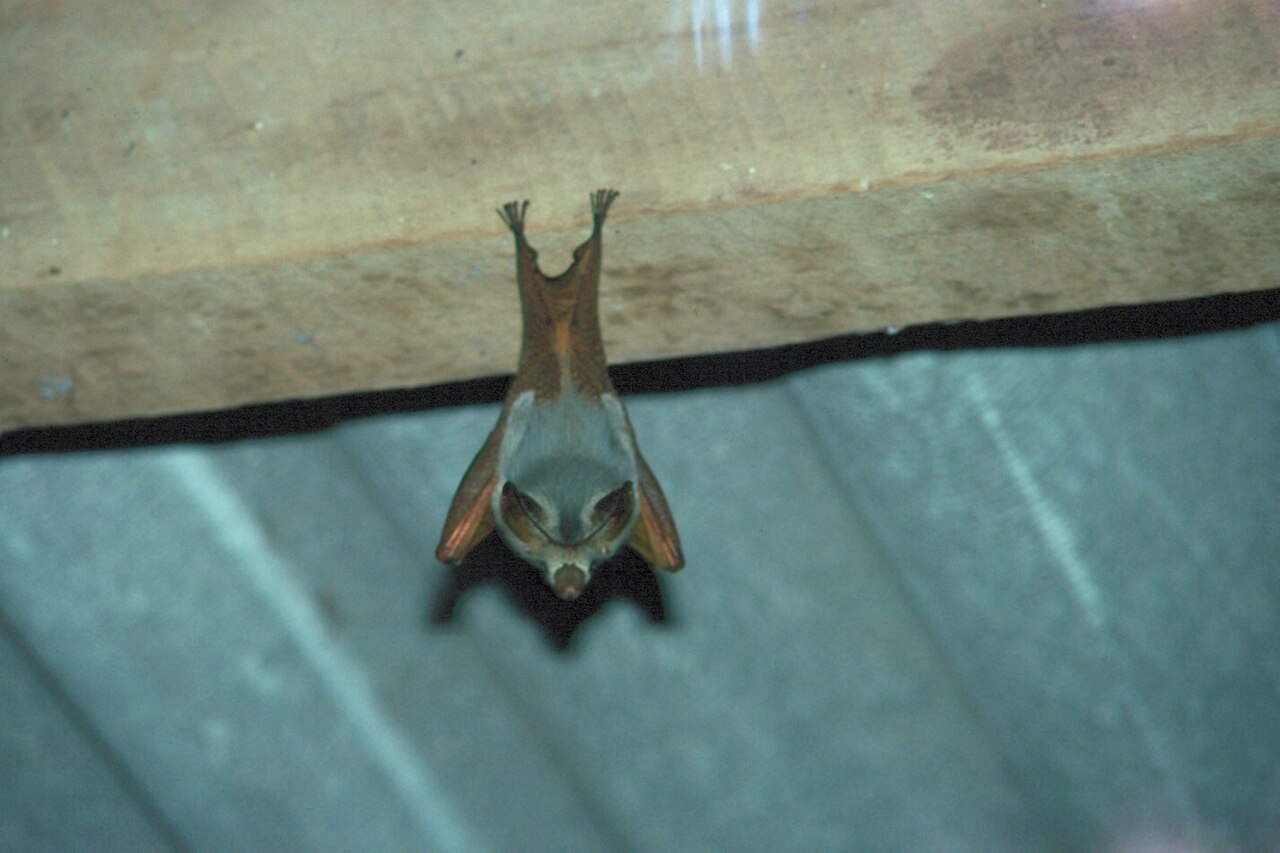
A little brown bat hanging from a wooden plank, photographed by Warren Garst in October 1976. The collection record does not establish a Prince George location.Warren Garst / Colorado State University Libraries · CC BY-SA 4.0 · Retain attribution and licence. Any adaptation must follow the source licence.
The silhouette is familiar. The animal inside it is a flying mammal, an acoustic hunter and a specialist in surviving the lean months.
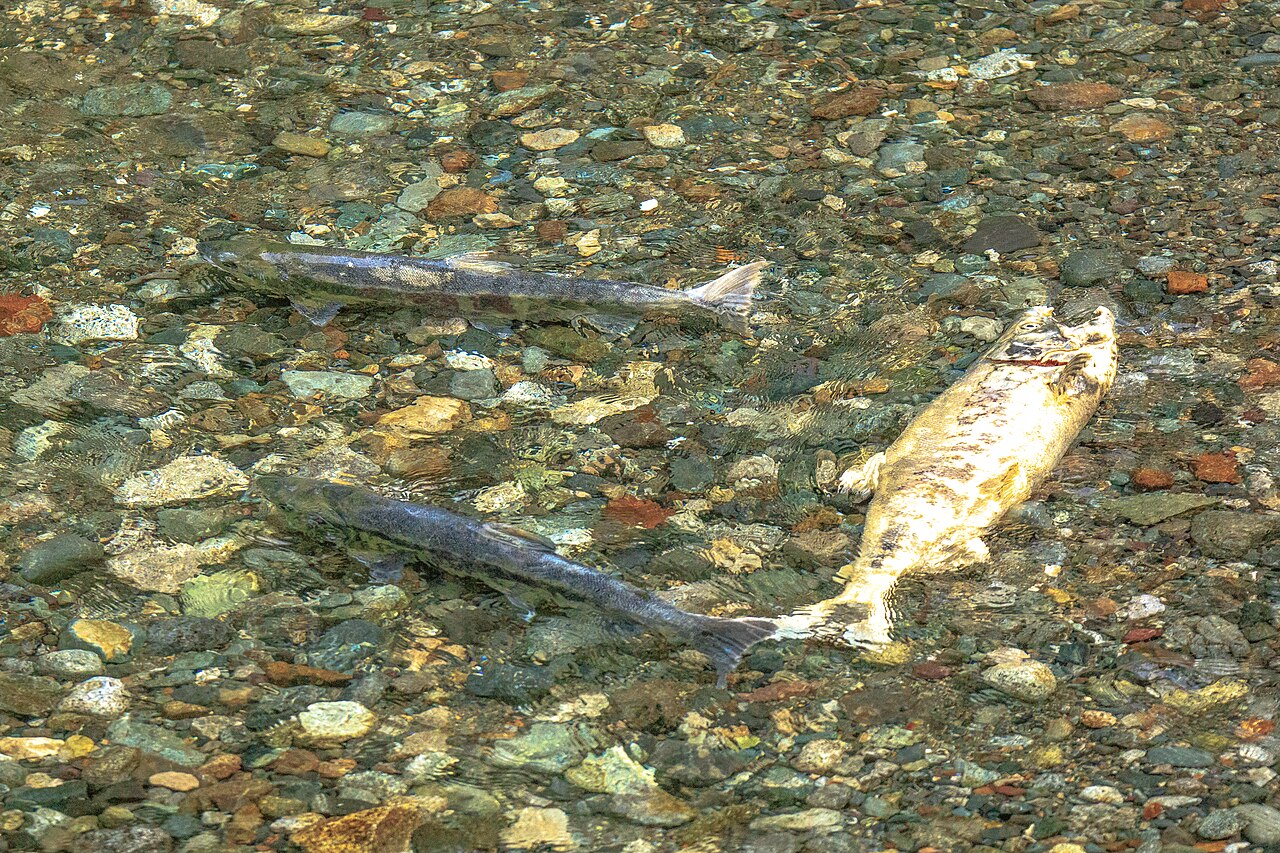
Living salmon and a salmon carcass in Fish Creek near Hyder, Alaska, August 2015.Murray Foubister · CC BY-SA 2.0 · Retain attribution and licence. Any adaptation must follow the source licence.
A salmon can reach its spawning stream with a body already breaking down. Its extraordinary final act continues long after it stops swimming.
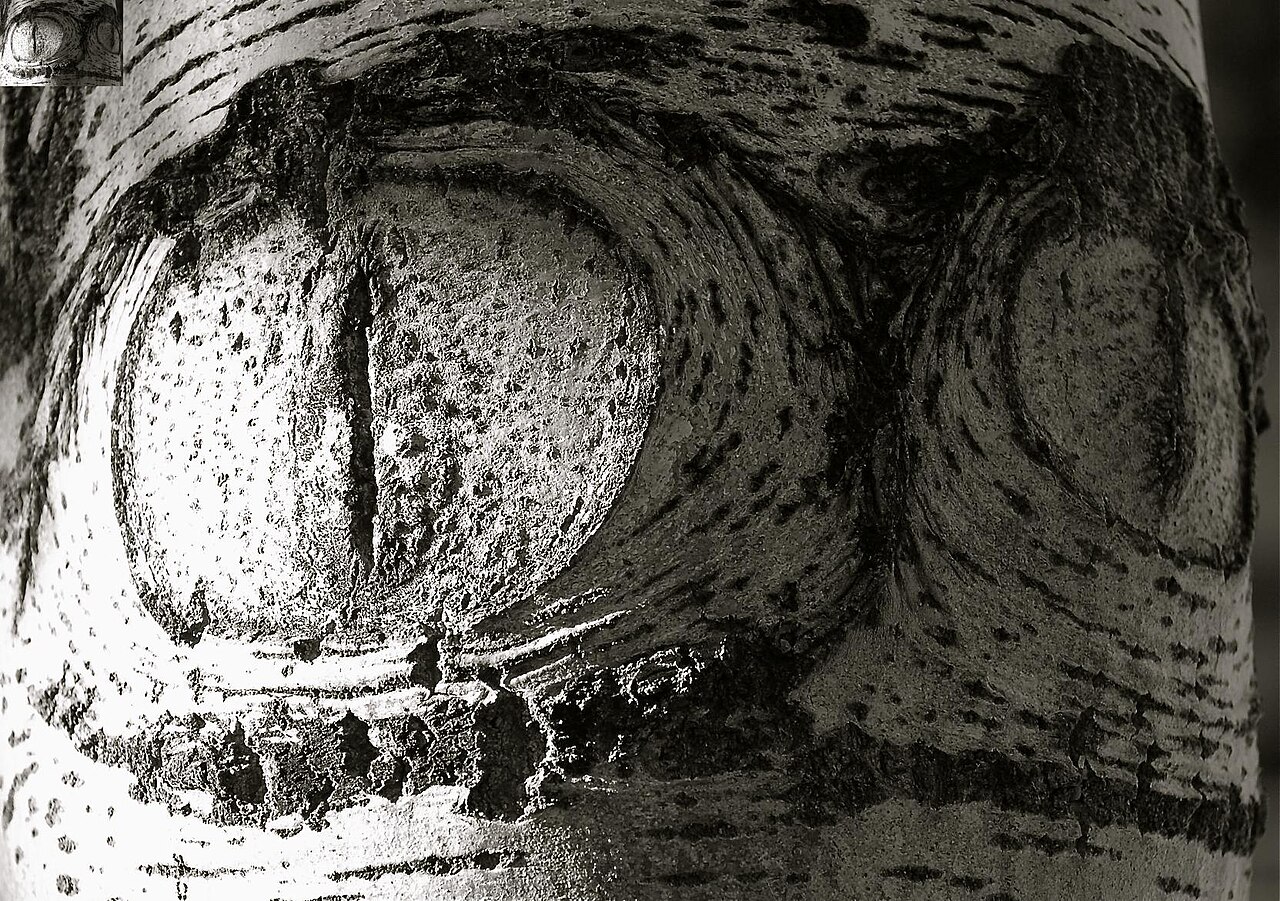
Natural eye-like patterns in white-poplar bark at Parque das Nações, Lisbon, photographed in 2008. This Portuguese example illustrates pareidolia; it is not a Prince George tree or a carved face.Pedro Ribeiro Simões from Lisboa, Portugal · CC BY 2.0 · Retain creator credit, source and licence. Display full frame.
Two knots and a split in the bark can become a face before you have time to decide what you are looking at. The strange part is how much of your brain believes the first impression.
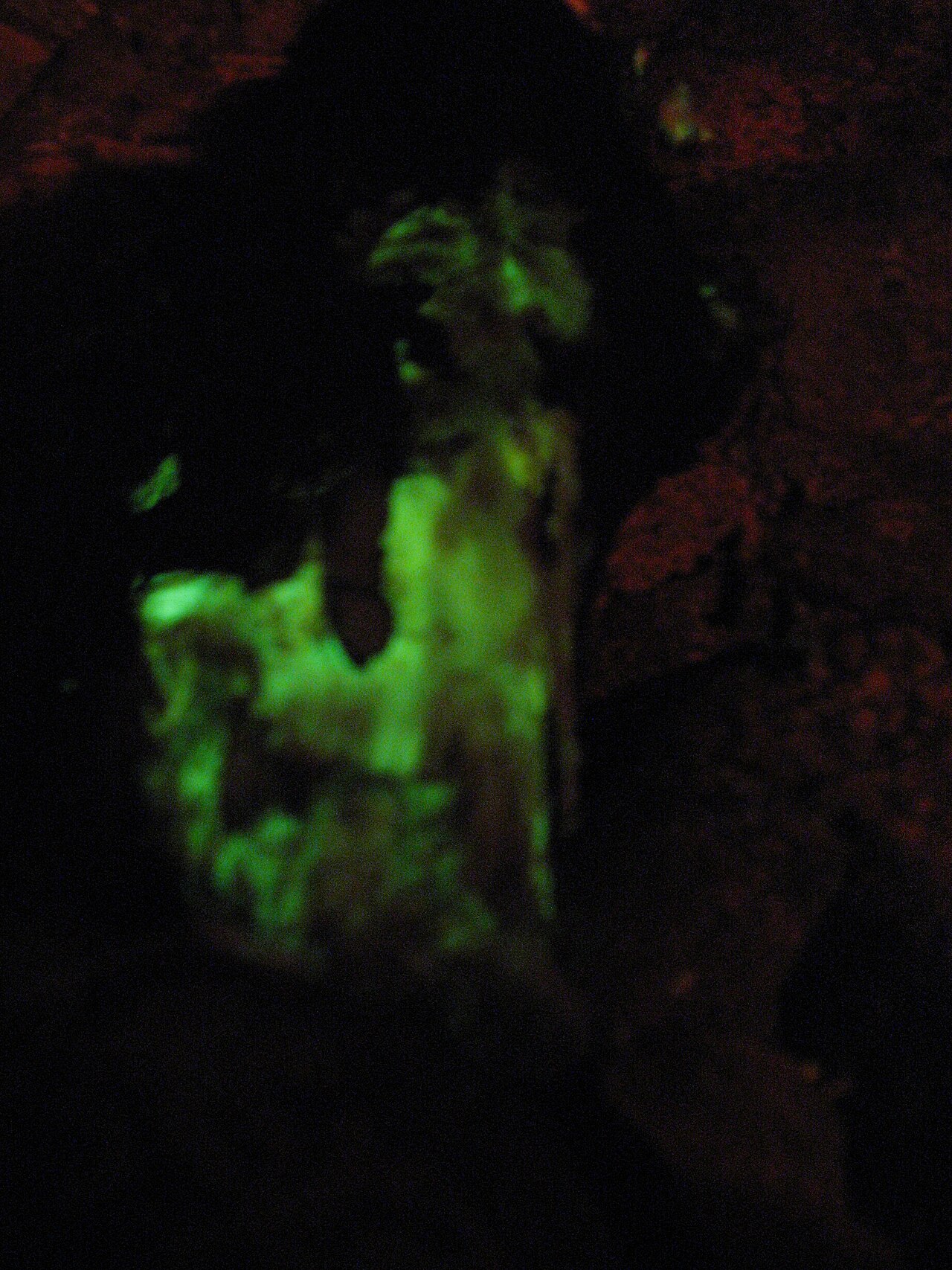
Foxfire photographed by Bruce McAdam in August 2006: luminous fungi on rotting tree bark. The location and fungal species are not established in the source record. This is a general example of the phenomenon, not a Prince George sighting.Bruce McAdam · CC BY-SA 2.0 · Retain credit, source and licence. Any derivative must use compatible share-alike terms. Do not label as photographed in Prince George or infer a species.
Some fungi can turn decaying wood into a source of light. The chemistry is real, but the reason for the glow is a more complicated mystery.
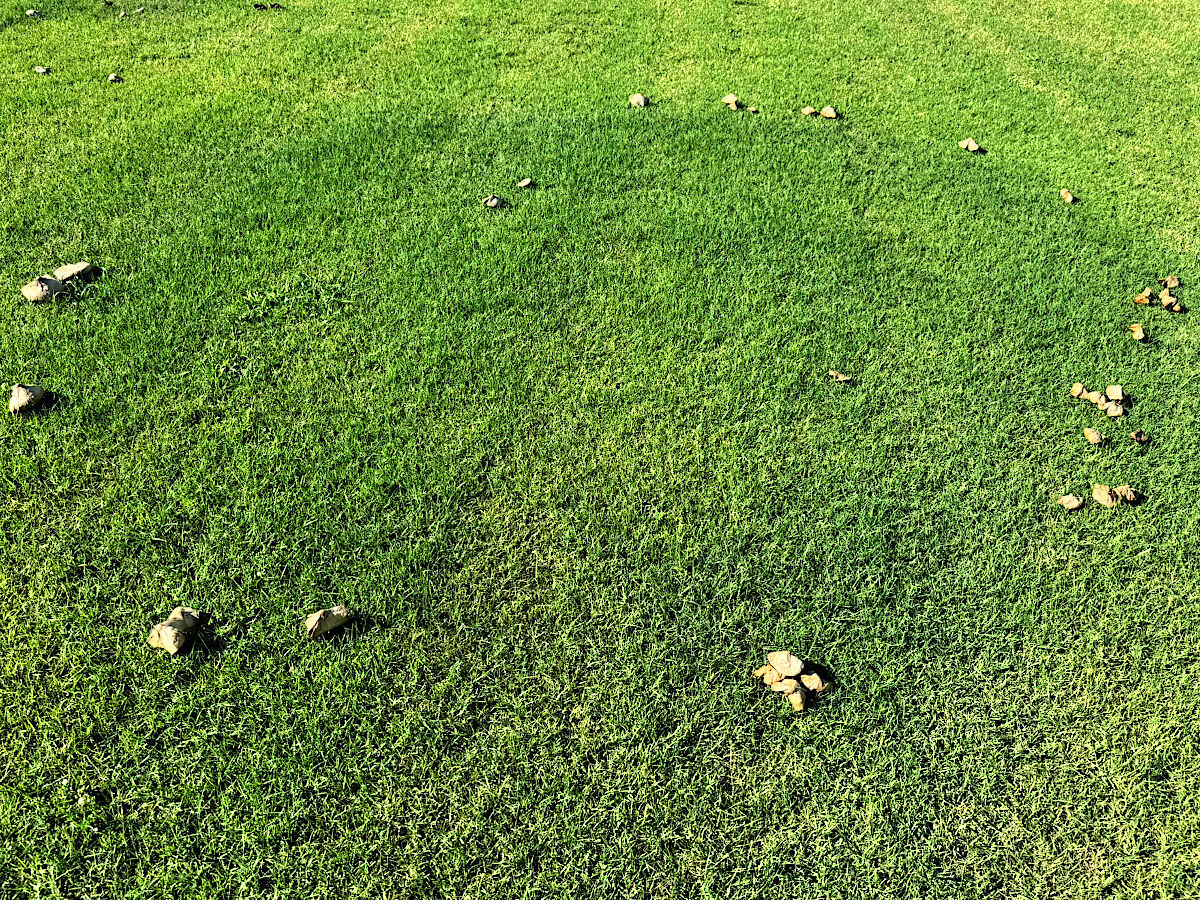
A ring of Chlorophyllum molybdites mushrooms in a lawn in Mesa, Arizona, September 2025. It illustrates the ring form; it is not a Prince George observation or an edible-mushroom identification.peterwchen · CC BY 4.0 · Retain attribution and licence. Any adaptation must follow the source licence.
A circle of mushrooms looks arranged, almost deliberate. Under the grass, a slow-moving organism has been drawing the pattern for far longer than the mushrooms have been visible.
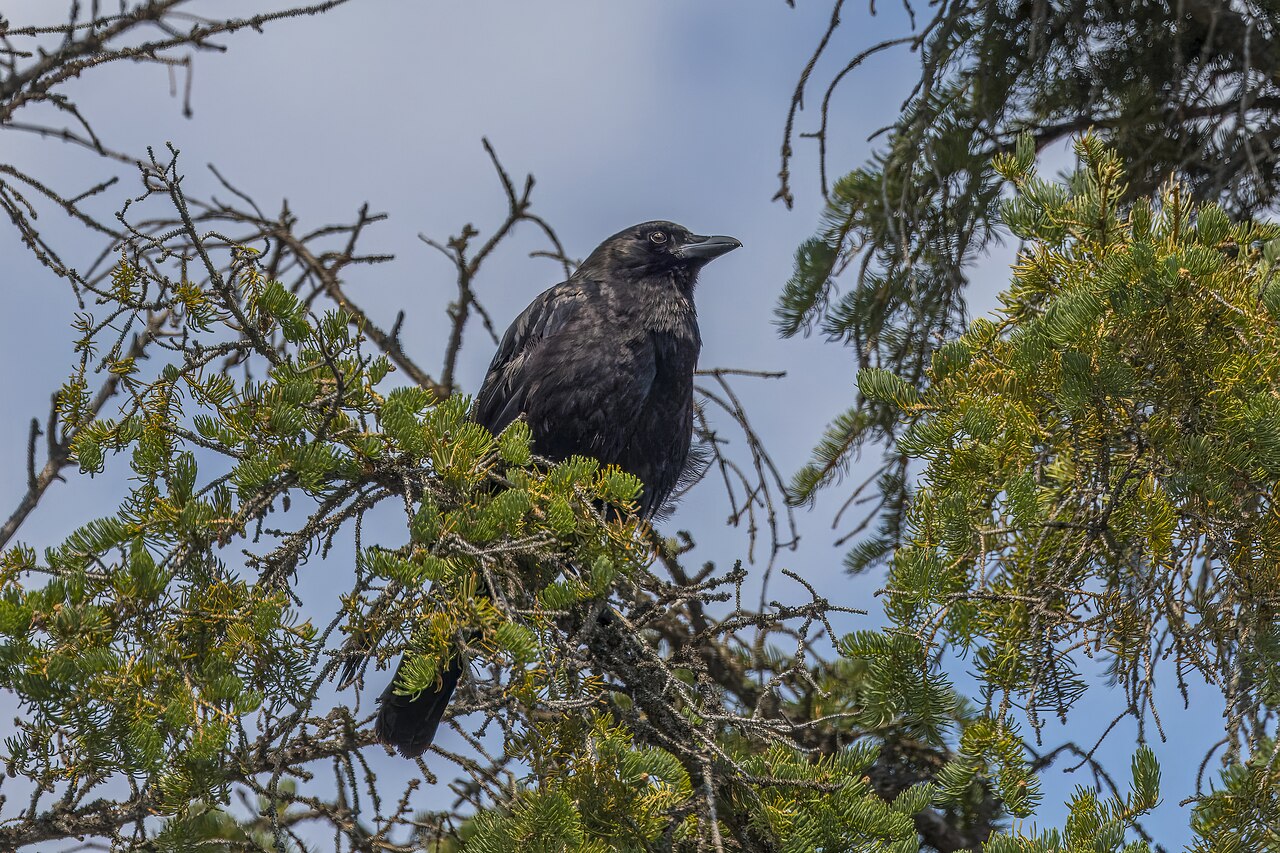
An American crow in Banff National Park, Alberta, July 2026.Charles J. Sharp · CC BY-SA 4.0 · Retain attribution and licence. Any adaptation must follow the source licence.
Researchers changed their clothes, their walk and even the person wearing the mask. The crows still knew which face meant trouble.