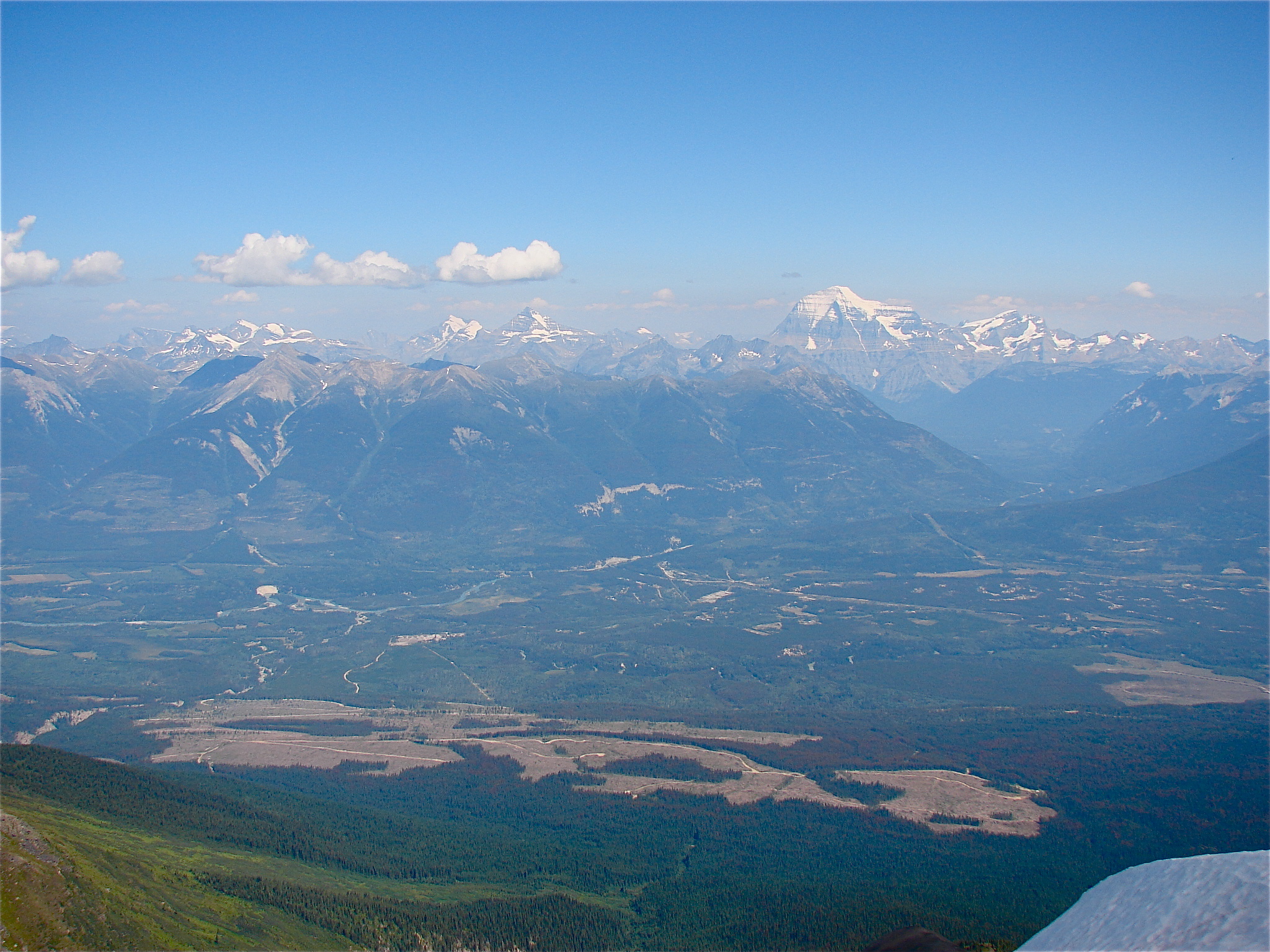
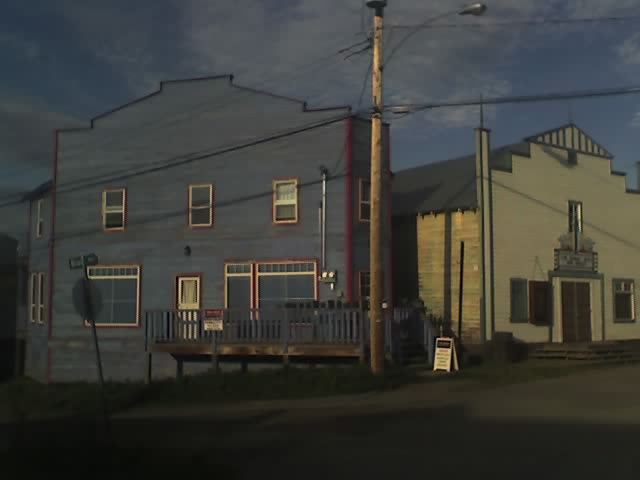
The Tête Jaune Cache area and Fraser River seen from Mica Mountain in 2010, with Mount Robson in the distance. The modern landscape does not identify the exact former townsite or sites of Simpcw displacement.Rufus Hawthorne · Public domain dedication by the photographerPhoto details
Photographed: 2010
Original title: Tete jaune Cache aerial view.JPG
Tête Jaune Cache once connected railway construction, riverboats and trade. Its quieter landscape also holds the history of Simpcw displacement and return.
Near Fort Fraser in April 1914, the Grand Trunk Pacific’s rails met. The ceremony tells a northern railway story of ambition, work and complicated consequences.
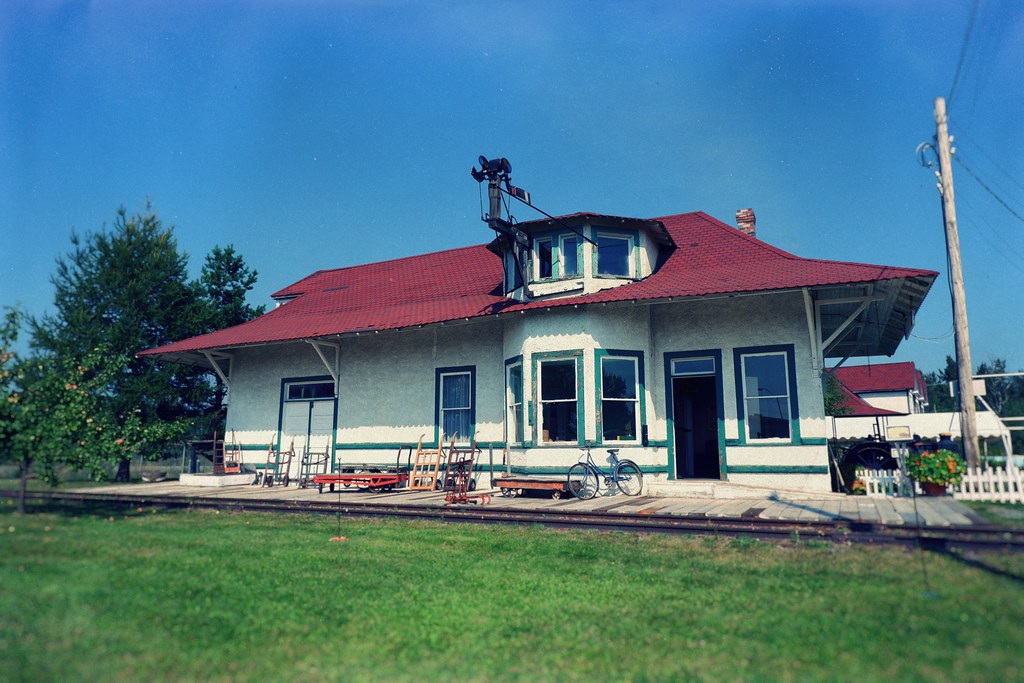
Penny’s former station at the Central BC Railway and Forestry Museum in Prince George, photographed in 2022. The museum moved the building from Penny in 1988.₡ґǘșϯγ Ɗᶏ Ⱪᶅṏⱳդ · CC0 1.0Photo details
Supporting historic-artifact photograph. Keep the location caption so the museum image is not mistaken for the present-day Penny settlement.
Photographed: 2022-08-23
Original title: Station
Giscome, Penny and other Upper Fraser settlements grew around mills and railway connections. Follow the machinery, community life and changes behind their names.
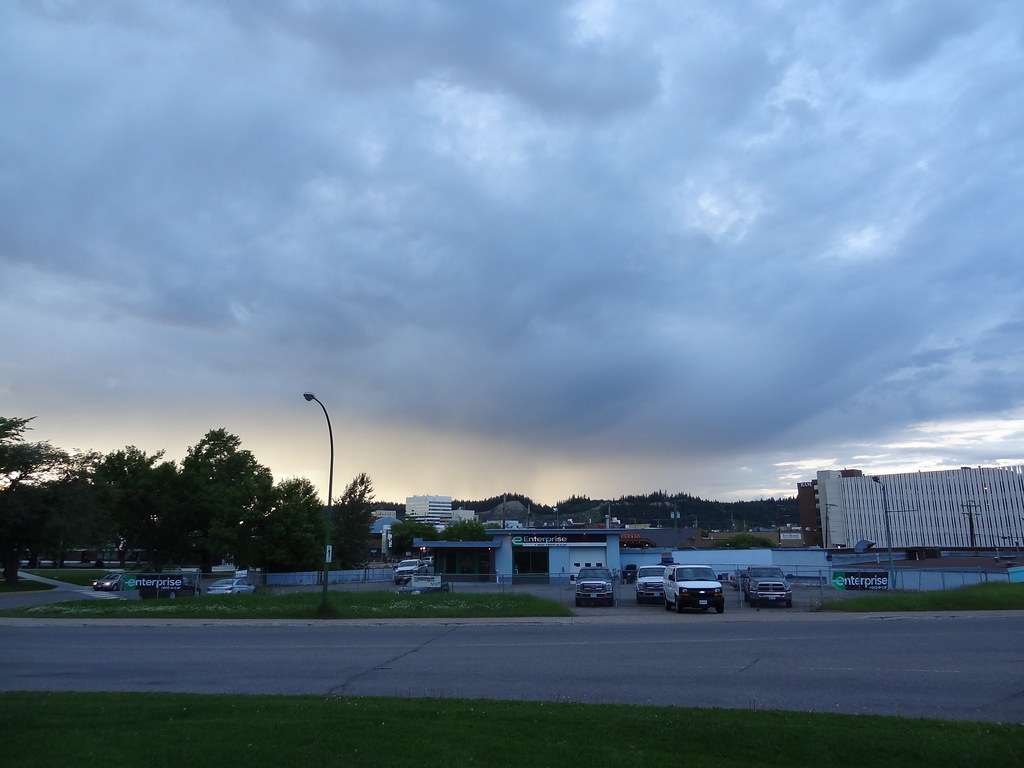
An evening sky over downtown Prince George in June 2012. This city view provides the setting for local stories; it is not a photograph of a reported apparition or a specific haunted building.Andrew Kurjata · CC BY-NC-SA 2.0 · Noncommercial onlyPhoto details
Noncommercial use only. Preserve the full frame and attribution; derivatives must use compatible share-alike terms. Recheck rights before any commercial use.
Photographed: 2012-06-19
Original title: downtown Prince George at night
A ghost walk turns familiar downtown blocks into places to stop, listen and notice the city’s overlapping lives.
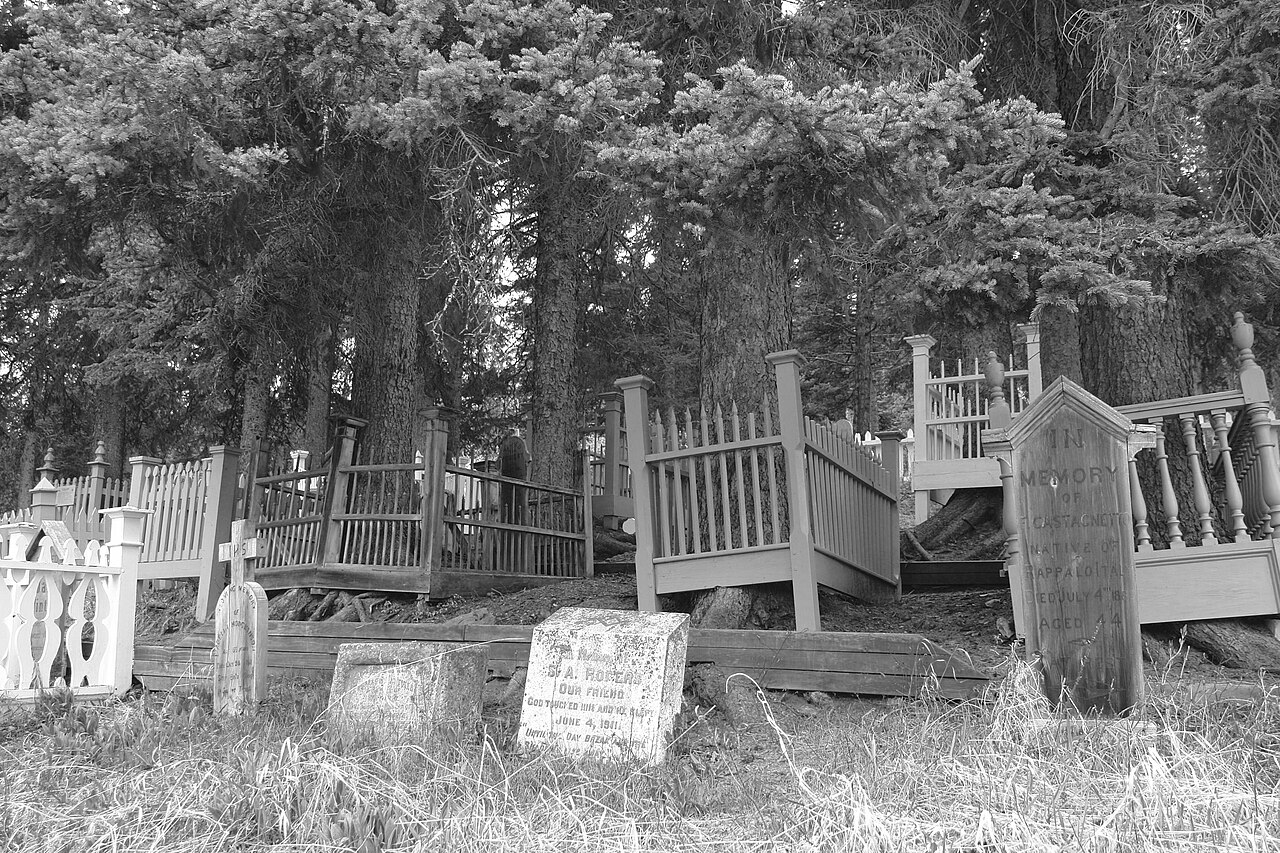
Barkerville’s cemetery in a black-and-white photograph made in spring 2006. The graves are part of the historic town’s real landscape, not evidence of its ghost stories.Steve Sarjola · Public domainPhoto details
Retain creator credit, source and licence. Display full frame.
Photographed: 2006 spring
Original title: Barkerville BC Cemetery; Black & White.jpg
A theatre, a saloon keeper and a Halloween dog with a film credit: Barkerville’s ghost stories are woven through a town with a lively history of performance.
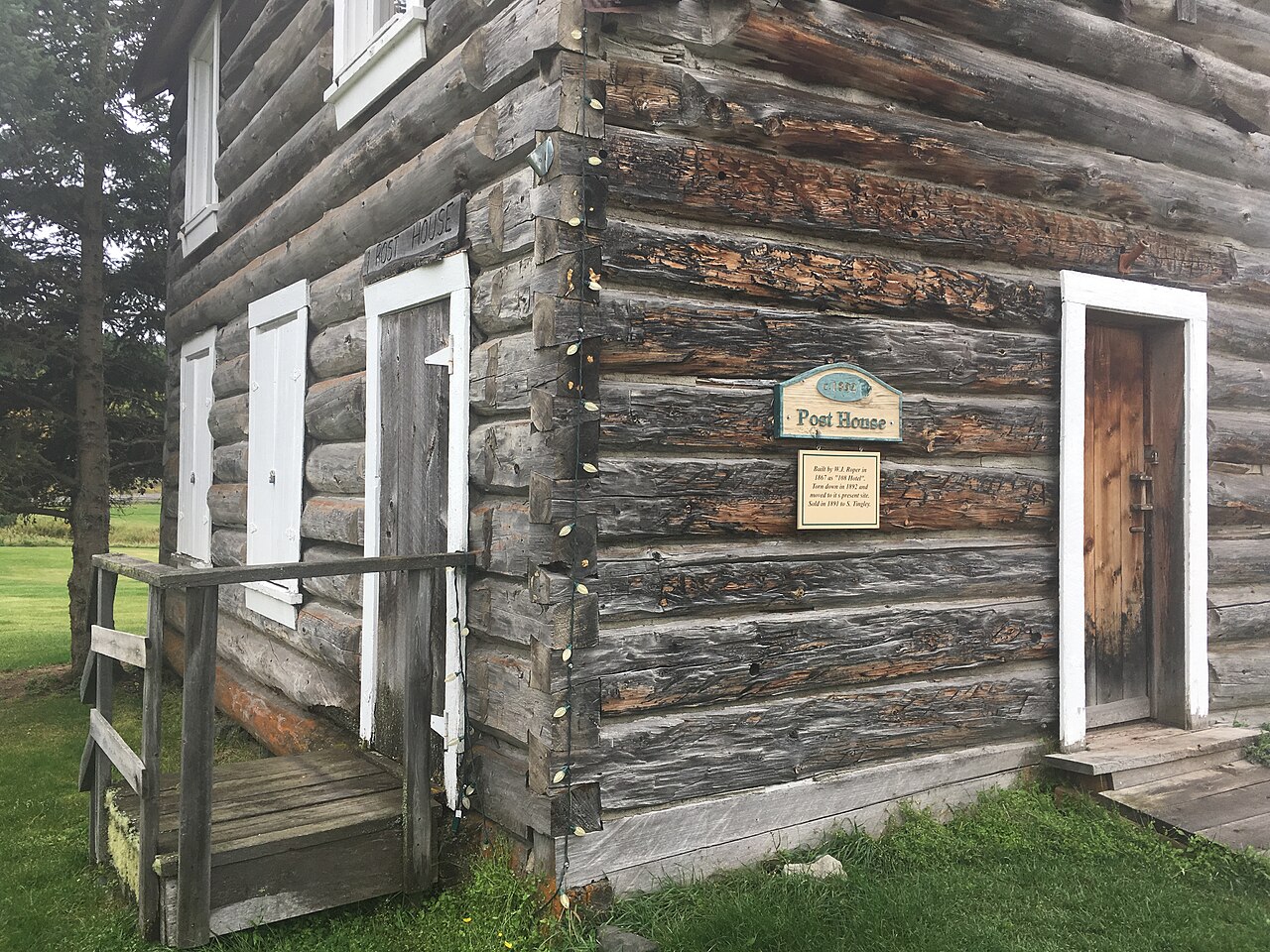
The Post House at 108 Mile Ranch Heritage Site, September 2019. The building is part of the documented site history; the crimes attributed to Agnes McVee remain unsubstantiated.Gillfoto · CC BY-SA 4.0Photo details
Retain attribution and licence. Any adaptation must follow the source licence.
Photographed: 2019-09-23
Original title: 108 Mile Ranch 4116.jpg
The roadhouse was real. The alleged killer is much harder to find. At 108 Mile, the most absorbing mystery may be how a story became attached to a place.
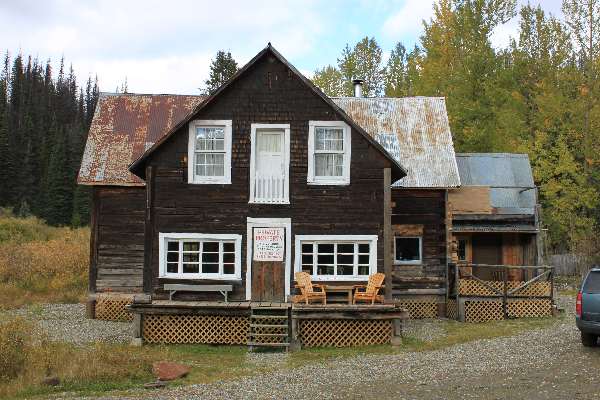
The Lightning Hotel in Stanley during restoration in September 2010. This is a historical view, not a record of current access or condition.Mark LaFleur · CC BY 3.0Photo details
Retain attribution and licence. Any adaptation must follow the source licence.
Photographed: 2010-09
Original title: Lightning Hotel 2010 Sept.jpg
Discover Stanley on the Barkerville road through its surviving hotel, Chinese businesses and the working community behind the ghost-town name.
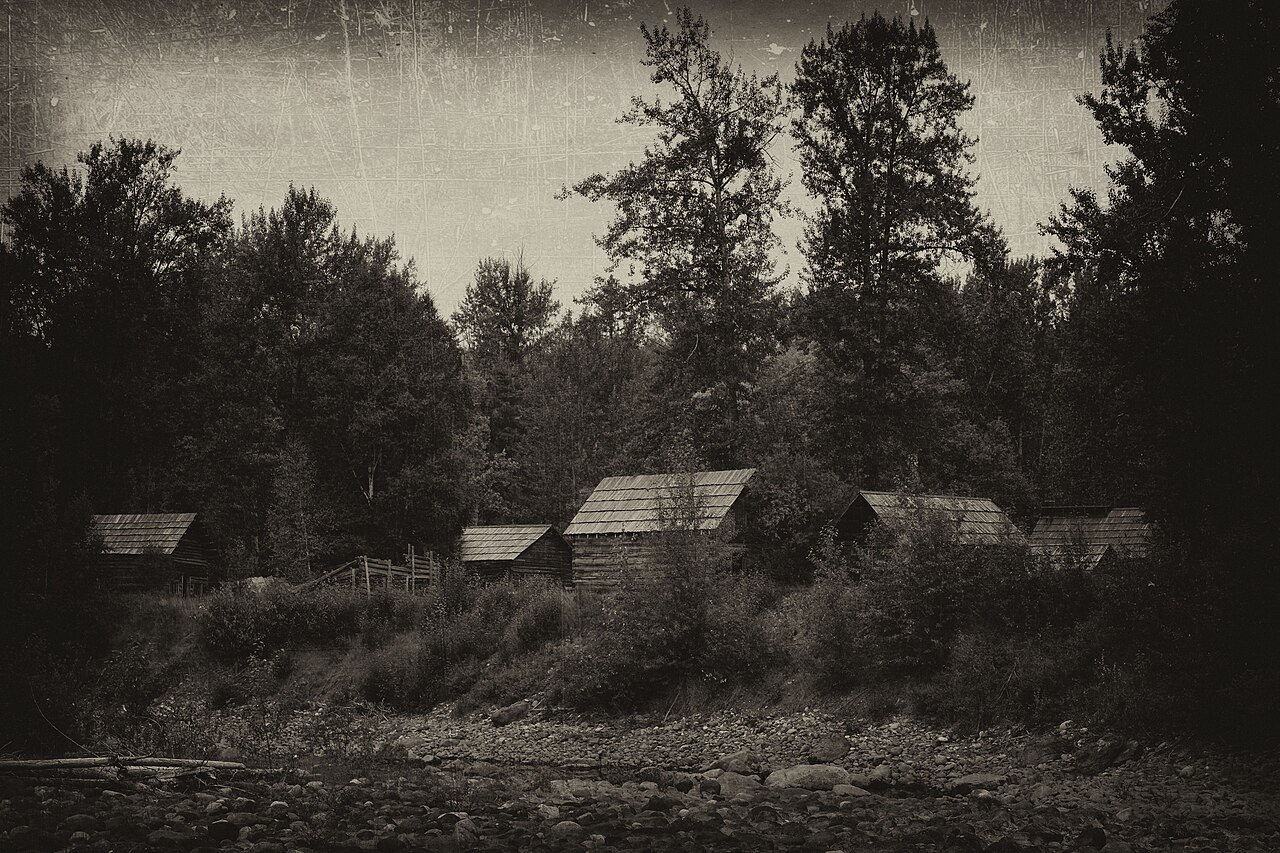
Quesnel Forks in a modern photograph from August 2021, using the photographer’s monochrome and distressed treatment. This is not an archival image.Crusty Da Klown · CC0Photo details
Retain attribution and licence. Any adaptation must follow the source licence.
Photographed: 2021-08-18
Original title: Quesnel Forks, Likely, B.C. - Flickr - Crusty Da Klown.jpg
Explore Quesnelle Forks through its riverside buildings, Chinese Canadian history and the community work that keeps this Cariboo townsite legible.