Forest science, mountain landscapes and local history. Find another reason to get outside.
71 to 79 of 79 stories
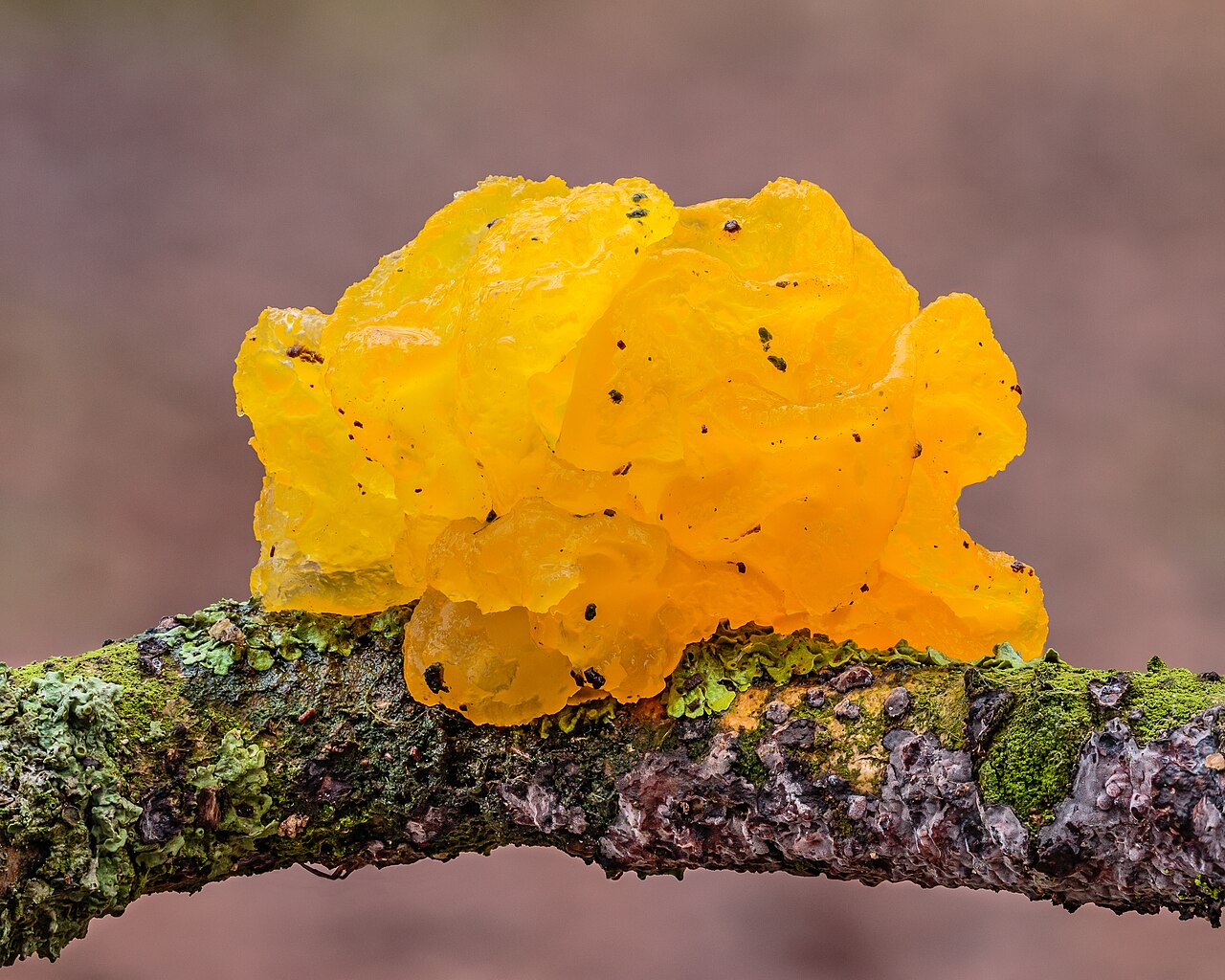
Witch’s butter (Tremella mesenterica) on a dead branch, January 2021. The photographer combined 21 exposures in a focus stack; the location is not established.Agnes Monkelbaan · CC BY-SA 4.0 · Retain attribution and licence. Any adaptation must follow the source licence.
A yellow jelly fungus can reveal a second fungus, a microscopic encounter and the reason a fallen branch deserves a closer look.
3 min read
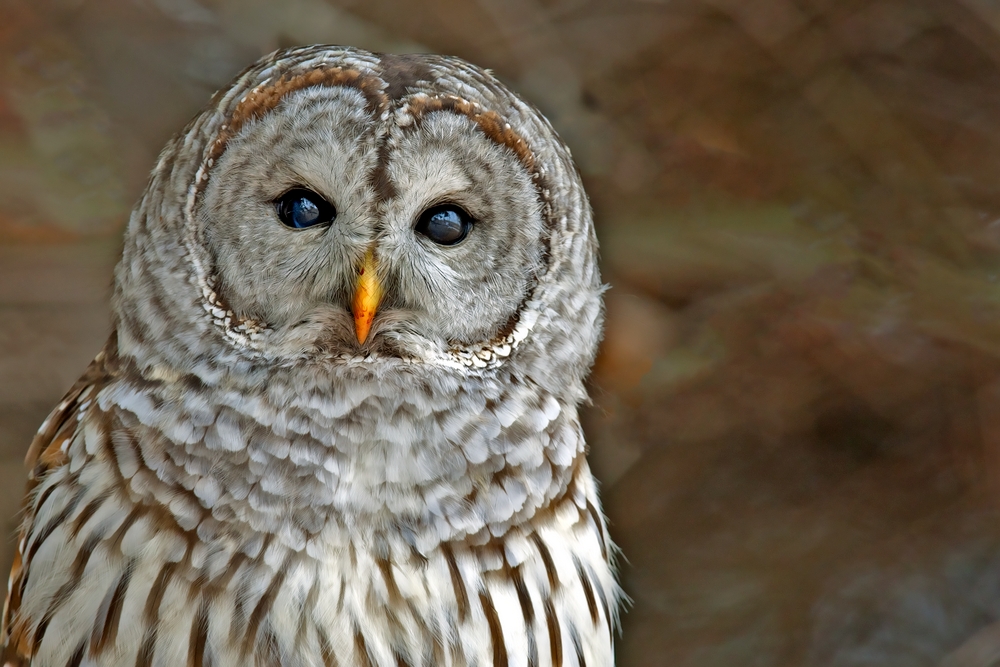
A barred owl photographed on Bench Row Road in Vernon, British Columbia, February 2012.Alan D. Wilson · CC BY-SA 3.0 · Retain attribution and licence. Any adaptation must follow the source licence.
Cackles, gurgles and piercing cries belong to the owl repertoire too. Listening carefully reveals much more than a familiar hoot.
3 min read
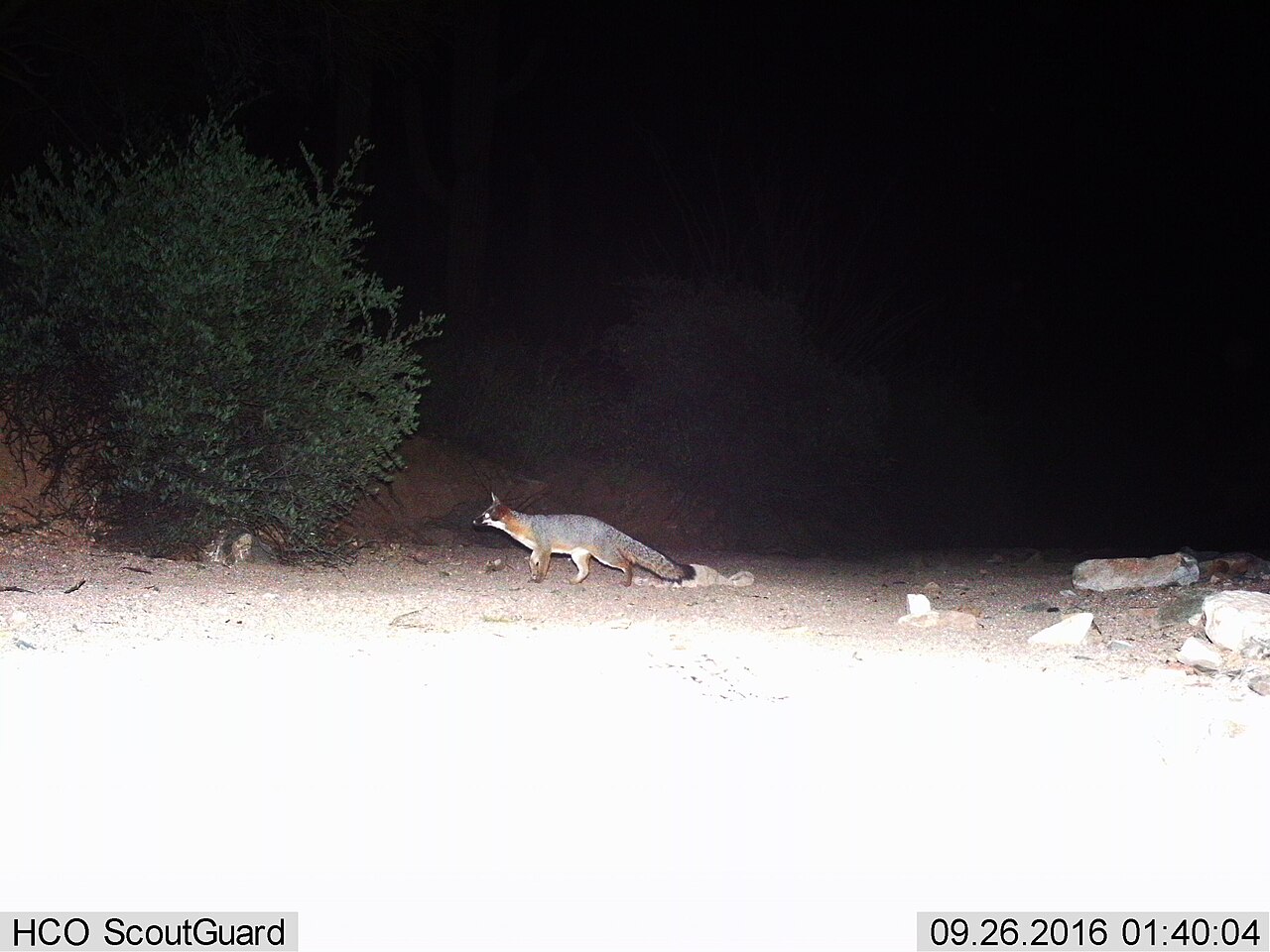
A gray fox recorded by a Saguaro National Park trail camera in Arizona, September 2016. Its eye reflects the camera illumination. This is an example of eyeshine, not a Prince George wildlife record.SaguaroNPS · Public domain (U.S. government work) · Retain source credit and licence. This Arizona gray fox demonstrates eyeshine generally; do not present as Prince George wildlife or infer species identity from eyeshine colour.
Two bright points can turn a dark wood into a mystery. The explanation begins with your own light coming back.
3 min read
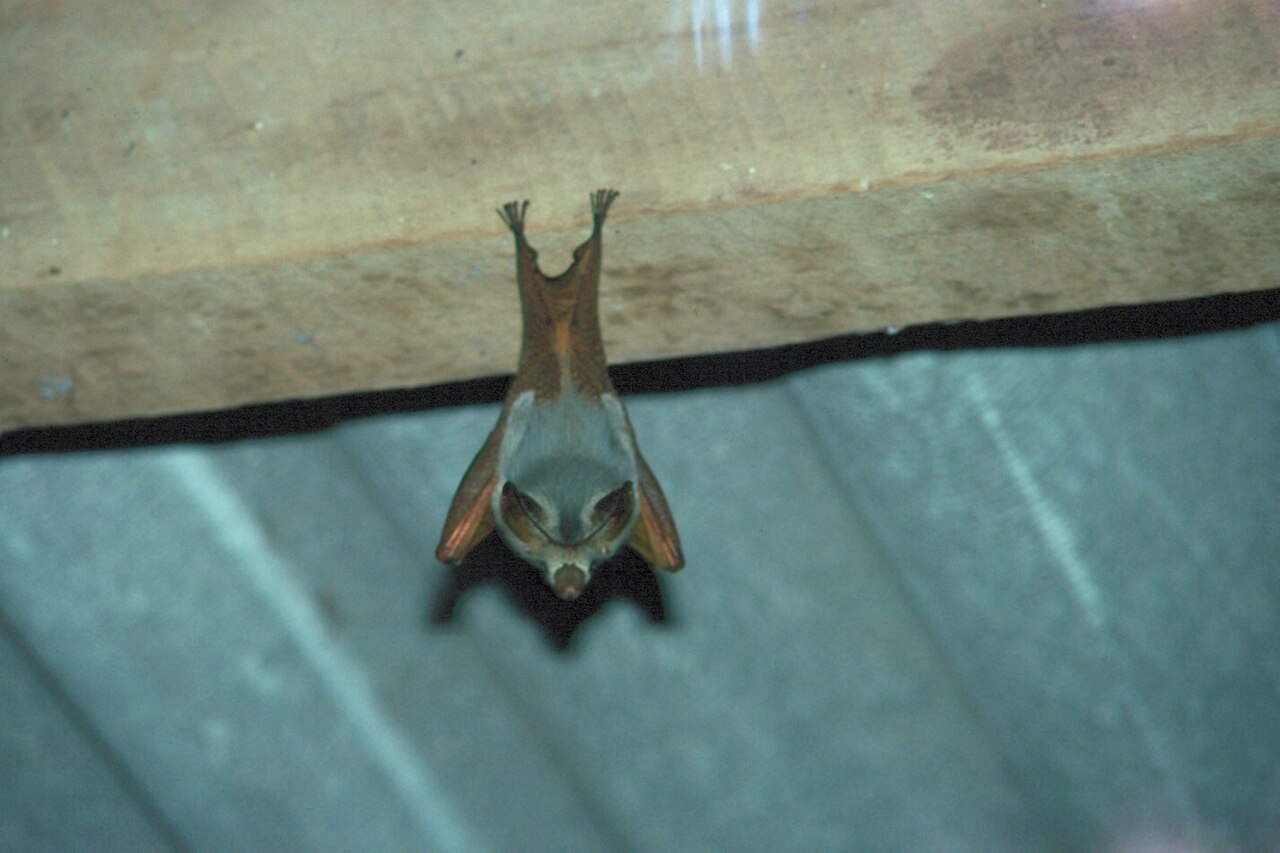
A little brown bat hanging from a wooden plank, photographed by Warren Garst in October 1976. The collection record does not establish a Prince George location.Warren Garst / Colorado State University Libraries · CC BY-SA 4.0 · Retain attribution and licence. Any adaptation must follow the source licence.
The silhouette is familiar. The animal inside it is a flying mammal, an acoustic hunter and a specialist in surviving the lean months.
4 min read
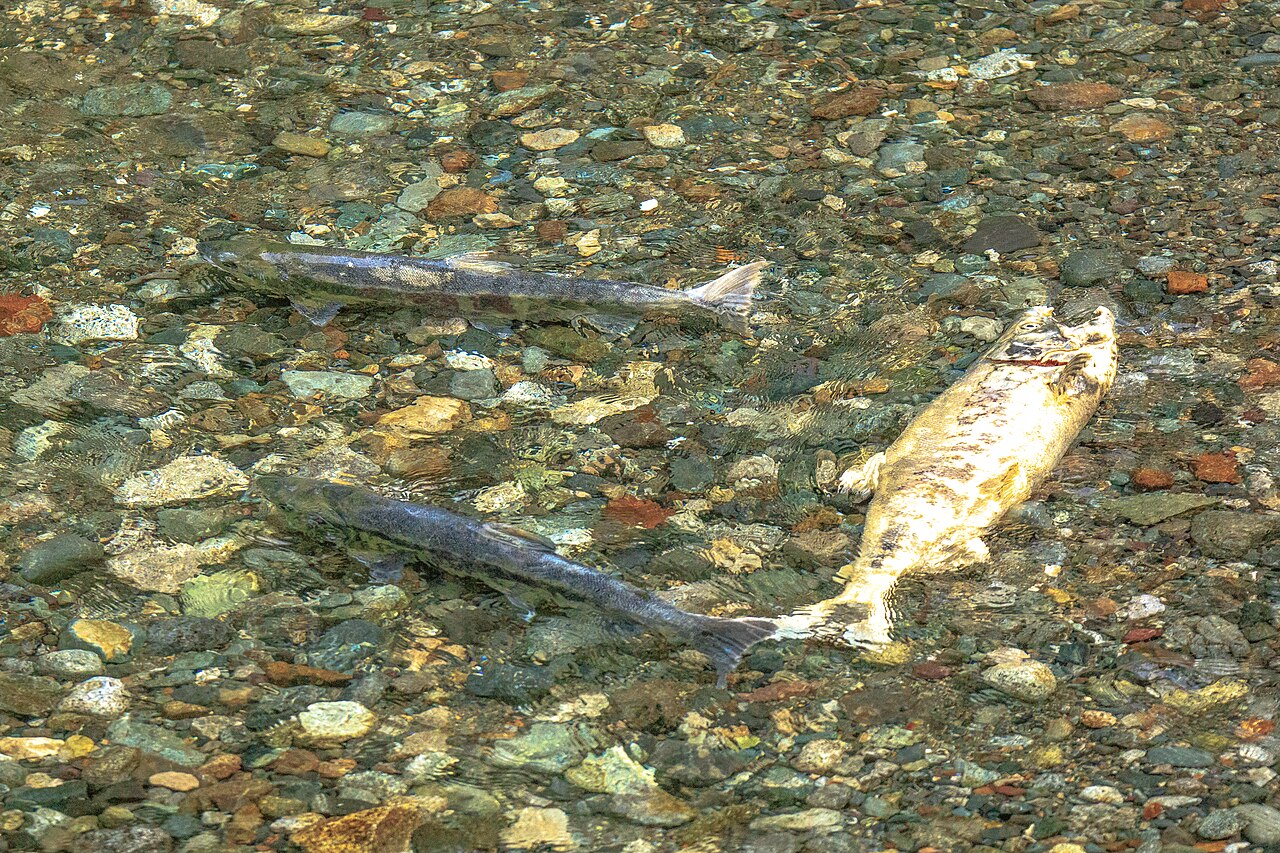
Living salmon and a salmon carcass in Fish Creek near Hyder, Alaska, August 2015.Murray Foubister · CC BY-SA 2.0 · Retain attribution and licence. Any adaptation must follow the source licence.
A salmon can reach its spawning stream with a body already breaking down. Its extraordinary final act continues long after it stops swimming.
3 min read
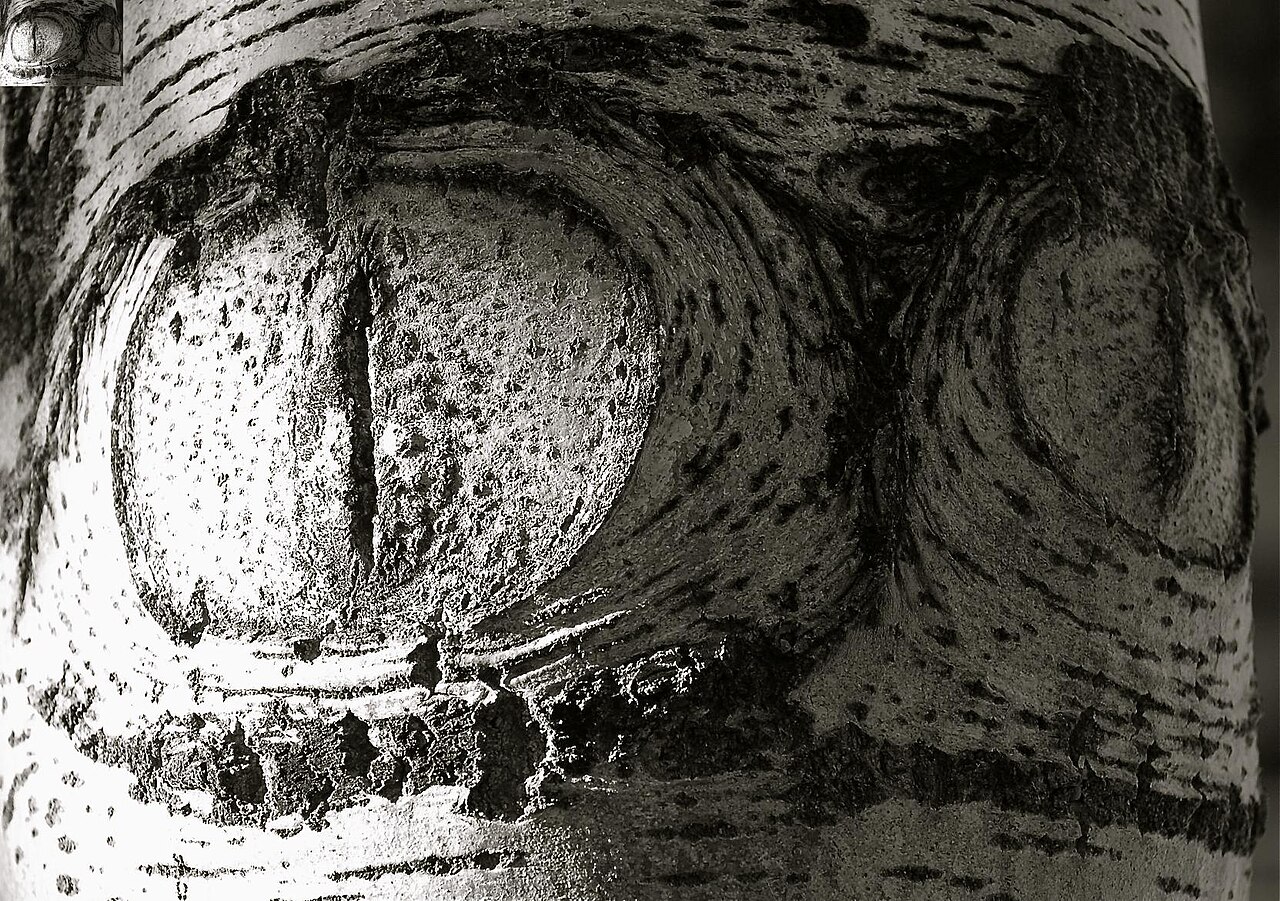
Natural eye-like patterns in white-poplar bark at Parque das Nações, Lisbon, photographed in 2008. This Portuguese example illustrates pareidolia; it is not a Prince George tree or a carved face.Pedro Ribeiro Simões from Lisboa, Portugal · CC BY 2.0 · Retain creator credit, source and licence. Display full frame.
Two knots and a split in the bark can become a face before you have time to decide what you are looking at. The strange part is how much of your brain believes the first impression.
3 min read
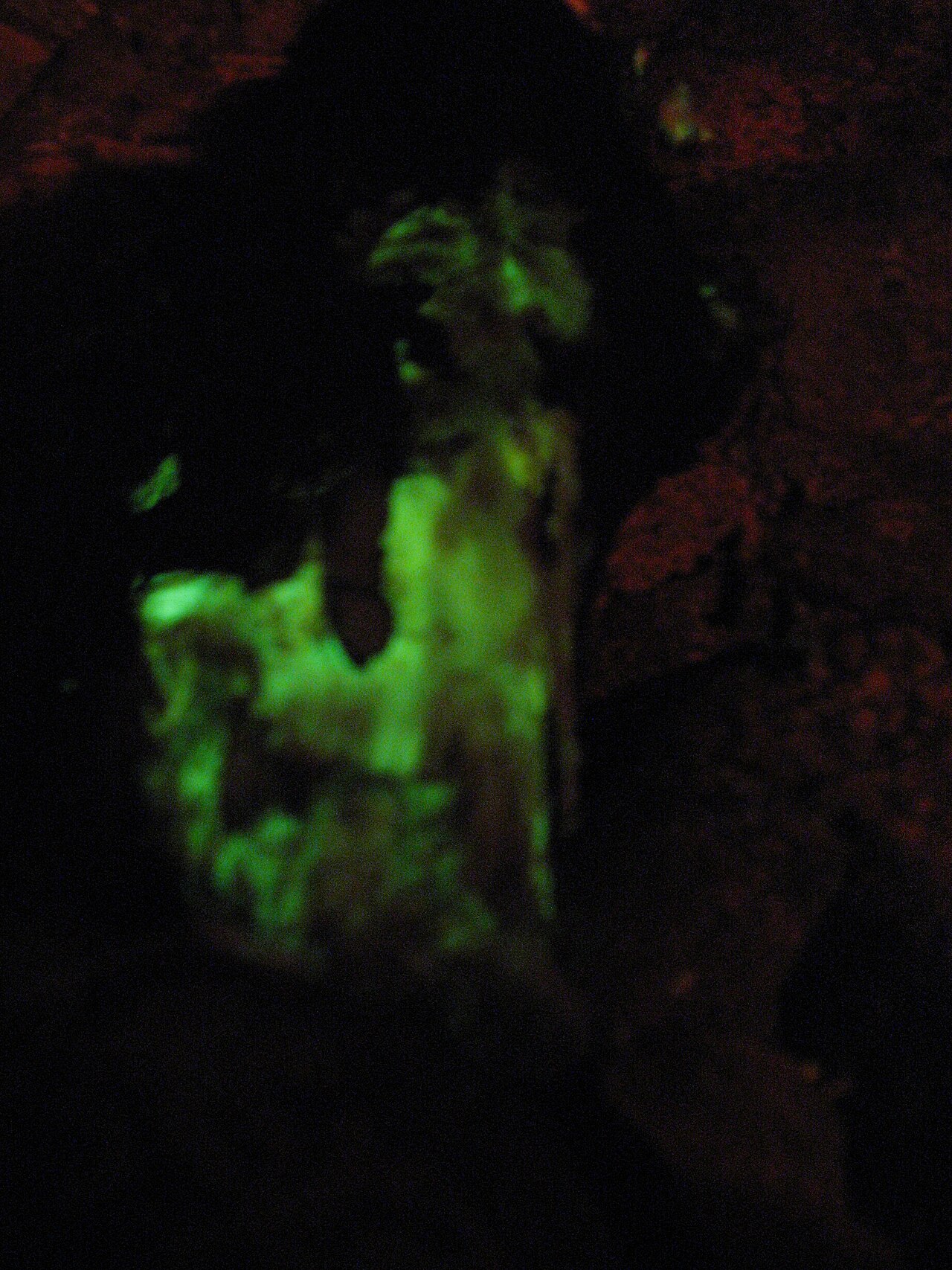
Foxfire photographed by Bruce McAdam in August 2006: luminous fungi on rotting tree bark. The location and fungal species are not established in the source record. This is a general example of the phenomenon, not a Prince George sighting.Bruce McAdam · CC BY-SA 2.0 · Retain credit, source and licence. Any derivative must use compatible share-alike terms. Do not label as photographed in Prince George or infer a species.
Some fungi can turn decaying wood into a source of light. The chemistry is real, but the reason for the glow is a more complicated mystery.
3 min read
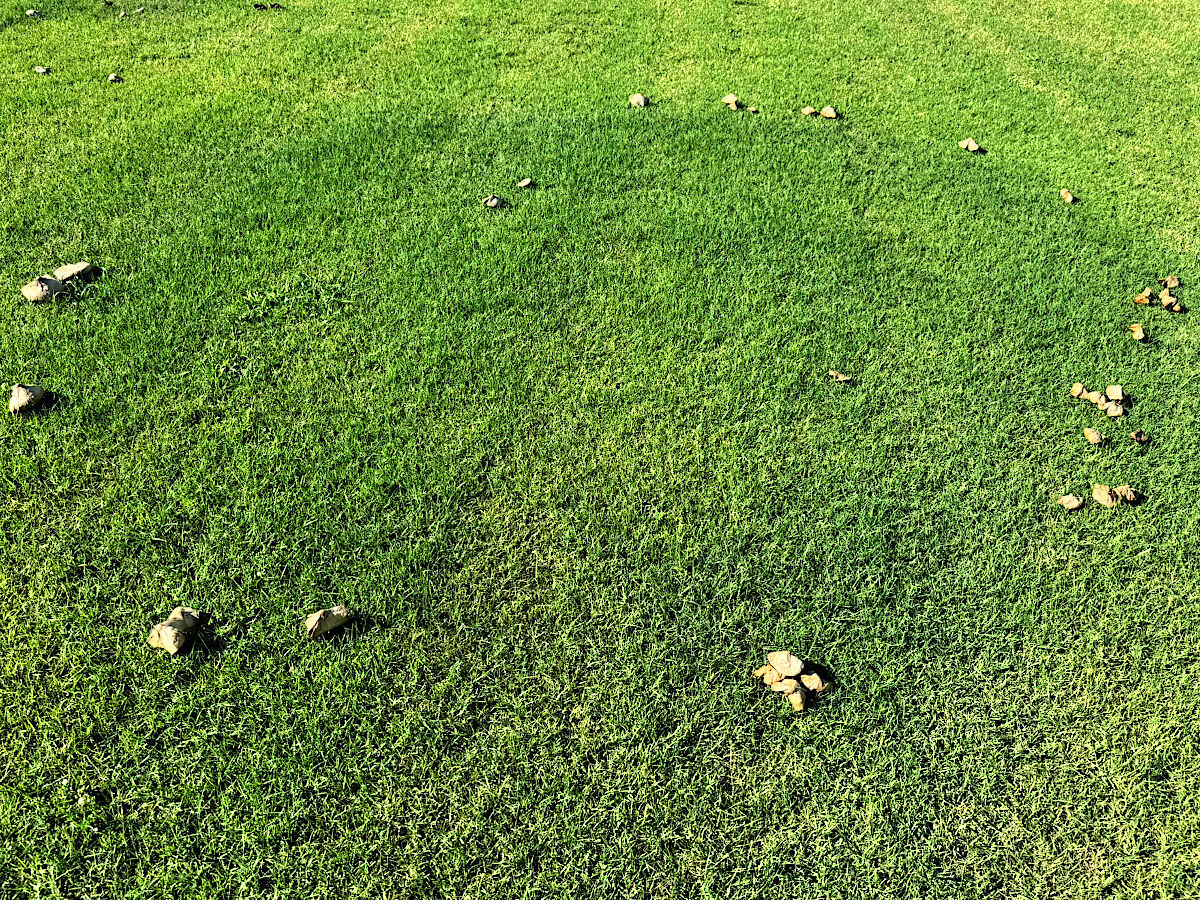
A ring of Chlorophyllum molybdites mushrooms in a lawn in Mesa, Arizona, September 2025. It illustrates the ring form; it is not a Prince George observation or an edible-mushroom identification.peterwchen · CC BY 4.0 · Retain attribution and licence. Any adaptation must follow the source licence.
A circle of mushrooms looks arranged, almost deliberate. Under the grass, a slow-moving organism has been drawing the pattern for far longer than the mushrooms have been visible.
3 min read
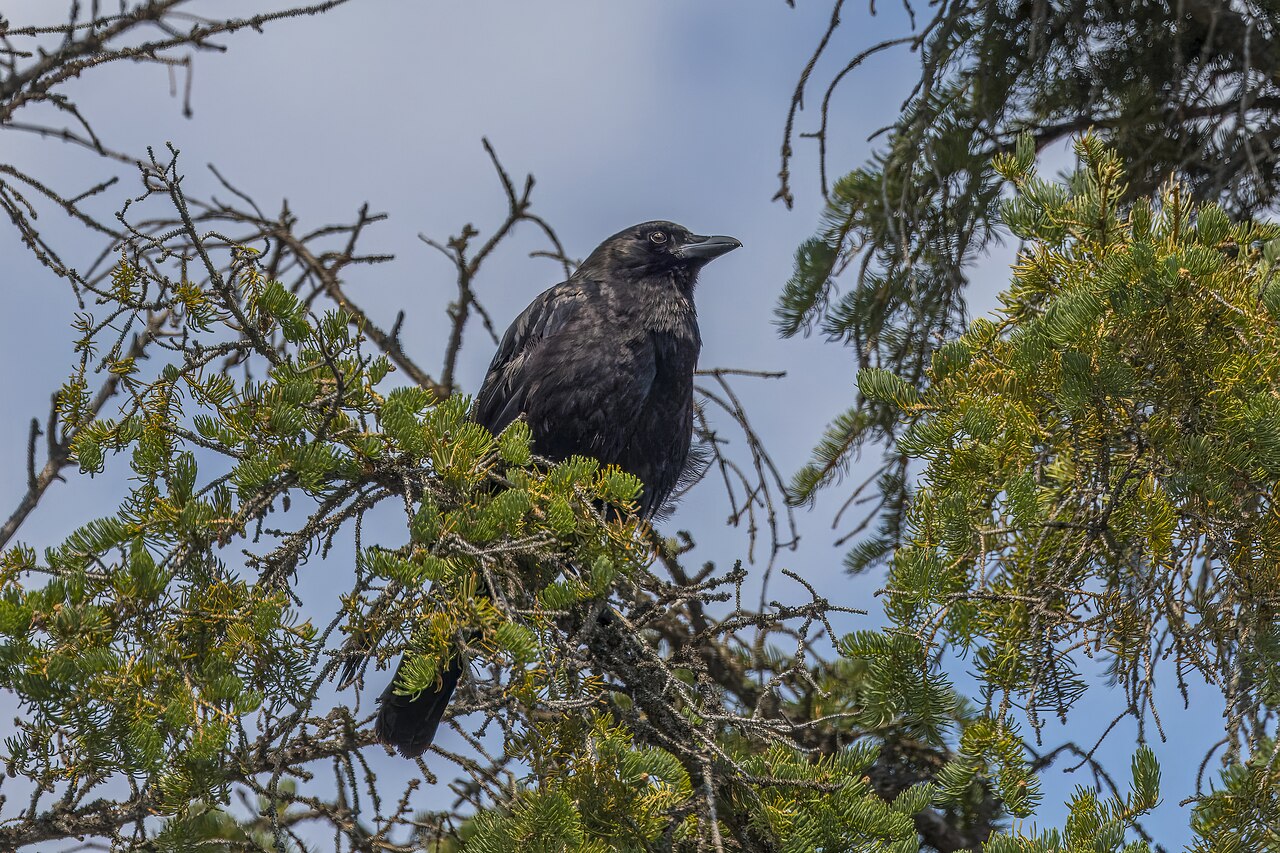
An American crow in Banff National Park, Alberta, July 2026.Charles J. Sharp · CC BY-SA 4.0 · Retain attribution and licence. Any adaptation must follow the source licence.